
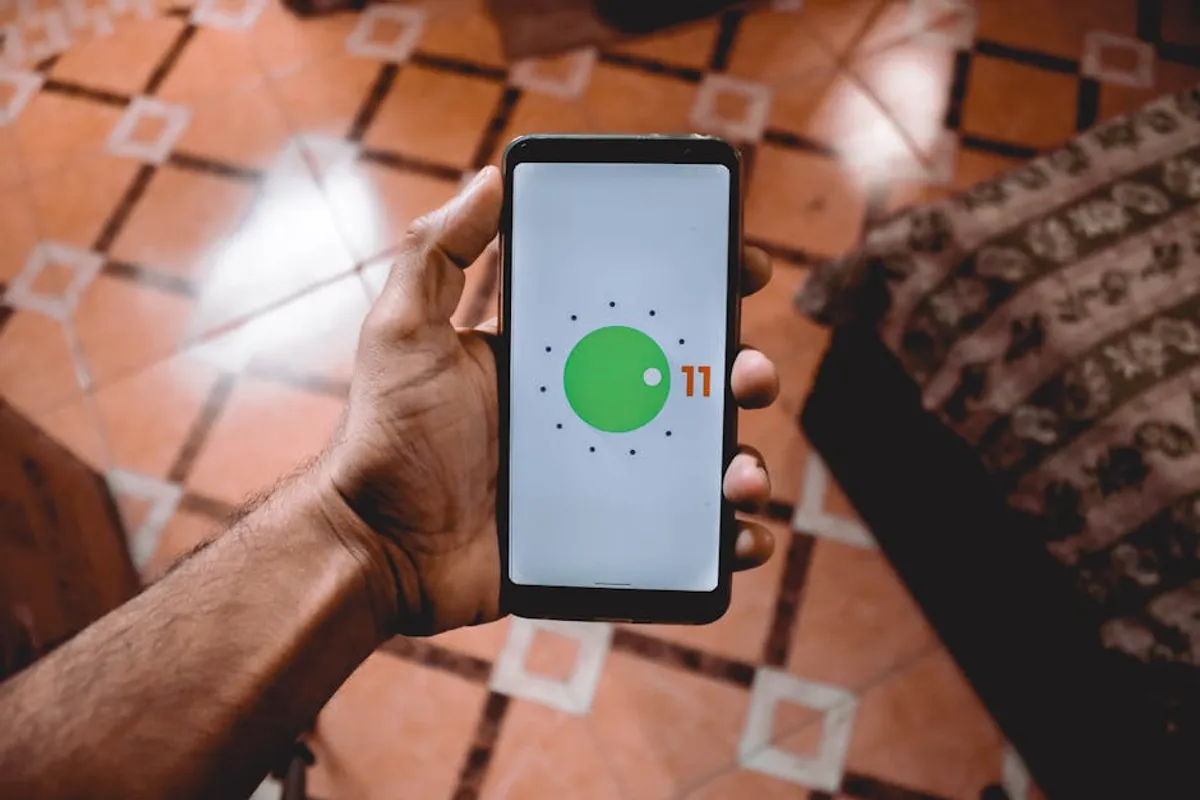
The Android ecosystem represents the largest global mobile operating system, a dynamic environment where continuous innovation dictates user behavior, competitive advantage, and market opportunity. For SEO professionals, marketers, and developers, tracking the latest Android news—from operating system updates and new device launches to emerging app trends and core feature enhancements—is not merely about staying current; it is about identifying critical shifts that impact content visibility, application adoption, and digital strategy effectiveness. Understanding these developments allows for proactive adaptation, ensuring that products, services, and content remain relevant and discoverable within a rapidly evolving digital landscape.
The Impact of OS Version Rollouts
Each major Android OS release introduces significant changes that affect user experience, developer capabilities, and ultimately, how digital content and applications perform. These updates often include new privacy controls, which directly influence data collection strategies and ad targeting. For instance, changes to background activity limitations or notification permissions can impact app engagement metrics. Furthermore, new APIs (Application Programming Interfaces) enable developers to create richer, more integrated experiences, opening avenues for innovative app features that can attract new users or redefine existing market segments. Marketers must track these OS adoption rates to understand audience capabilities and tailor campaigns accordingly, ensuring compatibility and leveraging new functionalities for improved user interaction.
Security Bulletins and User Trust
Regular Android security updates, often released monthly, are critical for maintaining device integrity and user trust. While less visible than major OS version changes, these patches address vulnerabilities that could be exploited, impacting user data and device functionality. For businesses operating apps or websites on Android, a robust security posture is paramount. Users are increasingly aware of data privacy and security risks; therefore, any perceived vulnerability, even if not directly related to a specific app, can erode trust in the broader Android ecosystem, indirectly affecting user engagement across all digital touchpoints. Monitoring these bulletins helps developers anticipate potential impacts on app permissions or data handling requirements.
Key Trends in Android Hardware Innovation
New Android phone releases frequently drive adoption of cutting-edge hardware, which in turn influences software development and user expectations. Understanding these hardware trends is crucial for optimizing digital experiences.
Foldables and Form Factors
The emergence of foldable phones has introduced new screen aspect ratios and multi-screen use cases. This shift requires developers to consider responsive design beyond traditional smartphone and tablet layouts, optimizing apps for seamless transitions between folded and unfolded states. For content creators, this means rethinking visual layouts and interactive elements to capitalize on larger, more dynamic display areas. Early adopters of these form factors often represent a high-value segment, making optimization for these devices a strategic imperative for premium brands and applications.
Chipset Evolution and Performance Gains
Advances in mobile chipsets (e.g., Qualcomm Snapdragon, Google Tensor, MediaTek Dimensity) bring increased processing power, improved AI capabilities, and more efficient graphics rendering. These enhancements enable more complex applications, higher-fidelity gaming, and sophisticated on-device machine learning tasks. For app developers, this translates to opportunities for richer user interfaces, faster load times, and more powerful features. For marketers, understanding chipset capabilities helps in targeting devices capable of running graphically intensive ads or augmented reality experiences, enhancing campaign effectiveness.
Navigating the Android App Landscape
The Google Play Store remains a primary distribution channel, but its policies and the broader app trends are constantly in flux.
Emerging App Categories and Monetization Models
The Android app market frequently sees the rise of new categories driven by technological advancements or societal shifts. Examples include enhanced productivity tools leveraging AI, advanced health and wellness trackers integrating with wearables, or sophisticated social platforms. Alongside this, monetization models evolve, from subscription services and in-app purchases to ad-supported freemium models. Businesses need to analyze these trends to identify gaps, develop competitive offerings, or refine existing app strategies to align with user spending habits and preferences.
Developer Program Changes and API Updates
Google regularly updates its developer program policies and introduces new APIs. These changes can range from stricter privacy requirements for app permissions to new guidelines for ad placement or in-app billing. Staying abreast of these updates is non-negotiable for developers to ensure app compliance, avoid delisting, and leverage new functionalities. For marketers, policy changes can impact how user data is collected and utilized for targeting, necessitating adaptive strategies.
Pro Tip: Android fragmentation, while decreasing, still presents a significant challenge. When planning app development or content delivery, prioritize testing on a range of devices and OS versions that represent your target audience's market share. Relying solely on the latest flagship device for testing can lead to a poor user experience for a substantial portion of your potential audience, resulting in higher uninstalls and lower engagement.
Core Android Features Driving User Engagement
Beyond apps and hardware, core Android features shape how users interact with their devices and the digital world.
- Privacy Dashboard: Offers users granular control over app permissions and data access, influencing how and when apps can collect information.
- Material You: Introduces dynamic theming based on wallpaper colors, creating a more personalized and cohesive user interface across the OS and compatible apps. This can subtly influence brand perception if app UIs align.
- Enhanced Notifications: Provides more interactive and customizable notification options, affecting how users receive and respond to app alerts.
- Digital Wellbeing Tools: Helps users manage screen time and app usage, potentially impacting app engagement during specific hours.
- Cross-Device Integration: Features that improve connectivity and data sharing between Android phones, tablets, watches, and Chromebooks create a more seamless ecosystem, fostering deeper user loyalty.
AI Integration and Device Intelligence
Google's continued investment in AI and machine learning is deeply integrated into Android, powering features like intelligent battery management, predictive text, enhanced camera capabilities, and personalized recommendations. These AI-driven features improve the overall user experience by making devices more intuitive and efficient. For developers, leveraging on-device AI capabilities can create more powerful and responsive applications, while marketers can utilize AI-driven insights to better understand user behavior and preferences without relying solely on external data.
Actionable Insights for Marketers and Developers
Staying informed about Android's rapid evolution is critical for maintaining a competitive edge. For marketers, this means:
- Content Optimization: Tailoring content for new screen sizes (e.g., foldables) and ensuring compatibility with the latest Android WebView components.
- Ad Strategy Adaptation: Adjusting targeting and creative assets in response to privacy policy changes and new AI-driven ad personalization features.
- App Store Optimization (ASO): Regularly updating app listings to reflect new features enabled by OS updates and aligning keywords with emerging user search trends.
For developers, key actions include:
- API Adoption: Proactively integrating new Android APIs to leverage enhanced functionality and maintain app relevance.
- Security Compliance: Adhering strictly to Google Play Store policies and implementing the latest security best practices.
- Performance Tuning: Optimizing apps for the latest chipsets and battery efficiency features to deliver a superior user experience.
By consistently monitoring Android news, professionals can anticipate market shifts, adapt their strategies, and capitalize on new opportunities within the world's largest mobile ecosystem.
Frequently Asked Questions
How often does Android release major OS updates?
Google typically releases one major Android operating system update annually, usually in the late summer or early fall. These releases are preceded by developer previews and public betas.
What is the primary impact of Android security updates for businesses?
Android security updates primarily protect user data and device integrity. For businesses, neglecting these updates can lead to vulnerabilities in their apps, risking user trust, data breaches, and potential compliance issues.
Do new Android phone features influence app development?
Absolutely. New hardware features like advanced camera sensors, faster chipsets, or new form factors (e.g., foldables) often inspire new app functionalities and require developers to optimize their applications to fully leverage these capabilities.
How do Android privacy changes affect marketing strategies?
Android privacy changes, such as stricter app permissions or limitations on ad identifiers, directly impact data collection and targeting capabilities. Marketers must adapt by exploring privacy-preserving advertising solutions and focusing on contextual targeting or first-party data strategies.