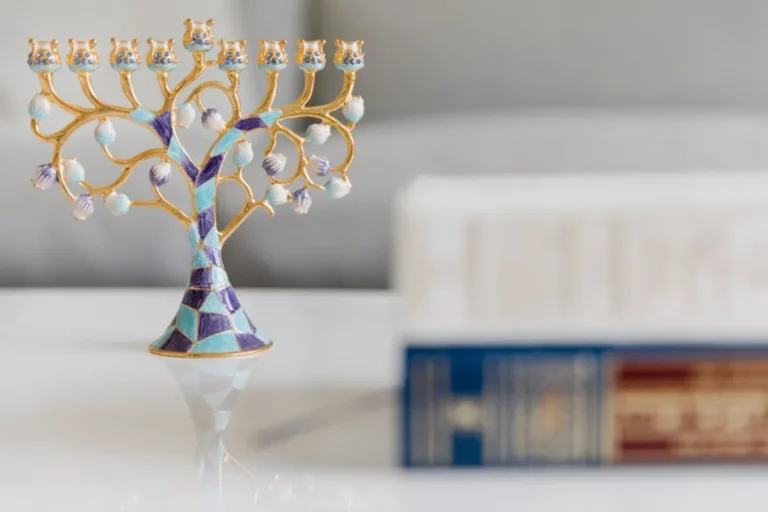

Navigating the market for Judaica involves more than simply selecting an item; it requires an understanding of cultural significance, material quality, and often, religious compliance. For consumers, the goal is acquiring pieces that resonate with personal values and endure over time. For retailers, understanding these buyer priorities is critical for building trust and facilitating informed purchases. This guide outlines best practices for both identifying and providing high-quality Judaica, focusing on the tangible attributes that define value and authenticity in this specialized category. This guide outlines best practices for identifying and providing high-quality Judaica, focusing on the tangible attributes that define value and authenticity in this specialized category.
Evaluating Authenticity and Craftsmanship
The core of any Judaica purchase lies in its authenticity and the quality of its execution. These are not merely aesthetic considerations but often functional requirements, particularly for ritual objects. Buyers seek clear evidence of provenance and construction standards, while sellers benefit from transparently showcasing these details.
Material Integrity and Sourcing
Examine the materials used. For silver items, look for clear hallmarks indicating purity (e.g., 925 sterling). Wooden items should specify the type of wood and its finish, noting any ethical sourcing certifications where applicable. Fabric items, such as tallit bags or challah covers, should detail thread count, fiber composition (e.g., silk, linen, cotton), and dye stability. The absence of specific material information often indicates lower quality or mass production. Retailers should provide detailed material specifications on product pages, including weight where relevant for items like menorahs or Kiddush cups, to manage buyer expectations and demonstrate product value.
Artisan Skill and Production Methods
Distinguish between handmade, semi-handmade, and mass-produced items. Hand-crafted Judaica, such as a hand-painted Seder plate or an intricately carved mezuzah case, commands higher value due to unique artistry and labor intensity. Look for variations that signal individual creation rather than machine replication. For ritual objects, such as a kosher mezuzah scroll or a Torah scroll, verification of the scribe's credentials (sofer) and the adherence to halachic (Jewish law) standards is paramount. Retailers should highlight artisan biographies, production processes, and any certifications relevant to religious adherence, offering a narrative that justifies pricing and builds consumer confidence.
Vendor Vetting and Transparency
The vendor plays a significant role in ensuring a satisfactory Judaica shopping experience. A reputable seller provides not just products, but also reliable information and support.
- Established Reputation: Prioritize vendors with a long-standing presence in the Judaica market or those with strong community endorsements. Longevity often correlates with consistent quality and customer service.
- Detailed Product Descriptions: Insist on comprehensive descriptions that include dimensions, materials, country of origin, and any relevant religious specifications. High-resolution images from multiple angles are essential, along with close-ups of intricate details or textures.
- Clear Policies: Review return, exchange, and shipping policies before purchase. Given the often delicate or high-value nature of Judaica, understanding how issues are resolved is crucial.
- Customer Feedback: Analyze customer reviews for consistent patterns regarding product quality, accuracy of description, and responsiveness of customer service. Pay attention to feedback specifically addressing authenticity or religious compliance for ritual items.
Pro Tip: When purchasing ritual items like mezuzah scrolls or tefillin, always verify the vendor's process for ensuring kashrut. Reputable sellers will provide documentation or clear assurances regarding the scribe's credentials and the supervision of the writing process. Without this verification, the item may not fulfill its intended religious purpose, regardless of its aesthetic appeal.
Navigating Online and In-Person Purchases
Both online and physical retail environments offer distinct advantages and challenges when shopping for Judaica. Understanding these differences allows for a more strategic approach to purchasing.
Online Shopping: Offers unparalleled selection, allowing access to niche artisans or specific styles not available locally. Price comparison is often easier, and detailed product specifications can be readily accessed. The primary challenge lies in the inability to physically inspect items, making reliance on high-quality imagery, detailed descriptions, and robust return policies critical. Retailers excel by providing virtual consultations, 360-degree product views, and transparent shipping for fragile goods.
In-Person Shopping: Provides the advantage of tactile inspection, allowing buyers to assess weight, texture, and craftsmanship firsthand. Direct interaction with knowledgeable staff can offer valuable insights into an item's history, religious significance, and care requirements. The drawbacks typically include a more limited selection compared to online stores and potentially less competitive pricing. Physical stores thrive by creating an immersive shopping experience, offering expert guidance, and fostering a sense of community.
Informed Acquisition Strategies
Successful Judaica shopping hinges on informed decisions. This means prioritizing clarity from vendors, asking targeted questions, and understanding the specific requirements of each item type. Successful Judaica shopping hinges on informed decisions, and avoiding common Judaica shopping mistakes can save you time and money.
Best for: Ritual items requiring strict halachic adherence (e.g., mezuzahs, tefillin, kosher Seder plates). Focus on vendors who explicitly detail their compliance processes and offer certifications.
Best for: Decorative or gift items. Prioritize aesthetic appeal, material quality, and the story behind the piece. Look for unique designs, artist signatures, and provenance details.
For high-value or custom pieces, consider requesting additional documentation, such as appraisals or artist statements. Always retain receipts and any provided certificates of authenticity for future reference or insurance purposes.
Common Questions About Judaica Shopping
Q: How can I verify the authenticity of a silver Kiddush cup online?
A: Look for clear images of hallmarks, which indicate the silver's purity (e.g., "925" for sterling silver). Reputable sellers will explicitly state the silver content and provide close-up photos of these marks. You can also research the maker's mark if visible.
Q: What should I look for when buying a mezuzah scroll?
A: Ensure the scroll is hand-written by a certified sofer (scribe) on kosher parchment, using specific ink and quill. The letters must be perfectly formed, and no two letters should touch. The vendor should provide assurance of its kashrut and the scribe's credentials.
Q: Are handmade Judaica items always better quality?
A: Not inherently. While handmade items often possess unique artistic value and craftsmanship, quality depends on the artisan's skill and materials. Mass-produced items can also be high-quality if manufactured with precision and good materials. Evaluate each item on its own merits, considering design, materials, and finish.
Q: How do I care for my Judaica?
A: Care instructions vary significantly by material. Silver items require polishing to prevent tarnish, while wooden pieces may need occasional oiling. Fabric items typically require gentle cleaning. Always refer to the specific care instructions provided by the vendor, or research best practices for the material in question.