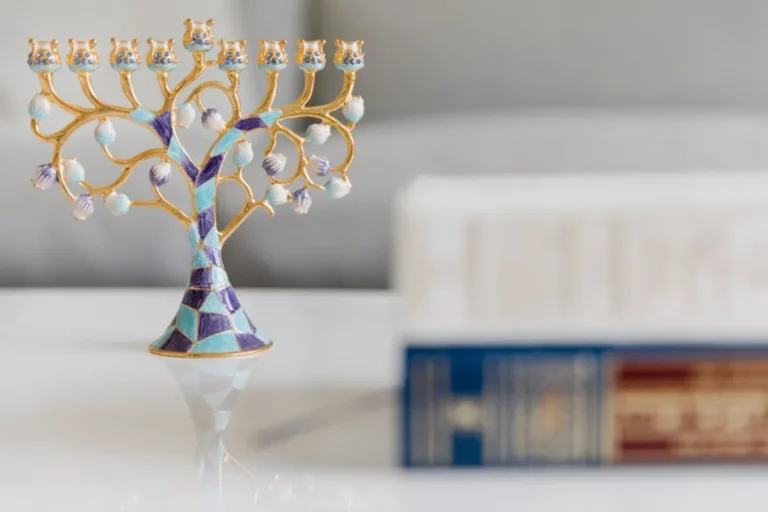

Acquiring Judaica, whether for personal use, ritual observance, or as a gift, involves navigating a specialized market where cultural significance, material quality, and artistic integrity are paramount. Uninformed purchases can lead to disappointment, items that fail to meet halachic requirements, or simply poor value. Understanding common pitfalls before committing to a purchase ensures that each acquisition is both meaningful and enduring. Understanding common pitfalls before committing to a purchase can help you make better decisions when shopping for Judaica.
Overlooking Authenticity and Provenance
The value of Judaica often extends beyond its aesthetic appeal; it is deeply rooted in its history, the materials used, and the hands that crafted it. Neglecting to investigate these aspects can result in acquiring items that lack genuine cultural or religious authenticity.
Not Verifying Artisan Credentials
Many Judaica pieces, particularly those intended for ritual use or as significant heirlooms, are crafted by skilled artisans. Their expertise often comes from generations of tradition or specialized training. Failing to verify the artisan's background means missing an opportunity to connect with the item's narrative and ensure its adherence to specific design or halachic standards. For example, a reputable silversmith specializing in Kiddush cups will have a portfolio or clear lineage of their work, demonstrating mastery of traditional techniques and material handling. Without this verification, a piece might be mass-produced with minimal artistic input, diminishing its unique value. Failing to verify the artisan's background means missing an opportunity to connect with the item's narrative and ensure its adherence to specific design or halachic standards, so always examples of their work.
Ignoring Material Origins
The materials used in Judaica can signify quality, durability, and even symbolic meaning. For instance, a shofar made from a specific type of ram's horn, or a tallit woven from pure wool, carries specific implications for its use and significance. When purchasing items like these, inquire about the source of the materials. Is the silver sterling or plated? Is the wood ethically sourced or a common substitute? Authentic materials often contribute to the item's longevity and its ability to fulfill its intended purpose. A genuine parchment for a mezuzah or a Torah scroll requires specific preparation and kosher certification, which is absent in non-verified materials.
Prioritizing Price Over Quality and Durability
While budget considerations are practical, allowing price to be the sole determinant in Judaica purchases frequently leads to acquiring items of inferior quality that may not last or properly serve their function. The initial savings are often offset by premature wear or the need for replacement.
Settling for Mass-Produced Substitutes
The market includes both handcrafted and industrially produced Judaica. Mass-produced items often use cheaper materials and less labor-intensive processes, leading to lower prices. However, this typically translates to reduced durability and a lack of the intricate detail and spiritual resonance found in artisan-made pieces. A mass-produced menorah, for example, might have thin, easily dented metal or poorly fitted components, whereas a handcrafted one will feature solid construction and precise finishing that ensures stability and aesthetic integrity over decades.
Neglecting Craftsmanship Details
Quality in Judaica is evident in the details. Examine seams on textile items like challah covers or tallit bags; they should be straight, strong, and neatly finished. For metalwork, look for smooth joins, consistent polishing, and absence of visible tool marks or blemishes. Wooden items should have a consistent finish, tight joints, and no splintering. Neglecting these checks can result in items that quickly degrade or present functional issues, such as a candlestick that wobbles or a prayer book cover whose embroidery unravels after minimal use.
- Textiles: Inspect stitching for evenness, tension, and reinforcement at stress points.
- Metalwork: Check for uniform plating or finish, absence of pitting, and secure assembly of parts.
- Wood: Look for smooth sanding, consistent stain or paint application, and tight, gap-free joinery.
- Parchment/Scrolls: Verify legible, consistent script and proper preparation of the writing surface.
Misunderstanding Cultural Significance and Usage
Judaica is rich with tradition and specific applications. Purchasing items without a clear understanding of their purpose or the nuances of their use can lead to acquiring inappropriate pieces or using them incorrectly, diminishing their intended meaning.
Purchasing Items Without Research
Each piece of Judaica carries specific cultural or religious weight. A Havdalah set, for instance, is used for a particular ceremony marking the end of Shabbat. A Seder plate has designated spots for specific ritual foods. Buying these items without understanding their context means relying solely on aesthetics, which can lead to purchasing an item that doesn't fit a family's traditions or halachic requirements. Basic research into the item's purpose, common variations, and any specific requirements for its use is crucial before purchase.
Incorrect Sizing or Specification for Ritual Items
Certain ritual items have strict sizing or specification requirements. A mezuzah scroll, for example, must be handwritten by a Sofer (scribe) on kosher parchment and meet precise halachic standards for letter formation and spacing. Similarly, a tallit has specific dimensions and requirements for its tzitzit (fringes). Purchasing a mezuzah case without confirming the scroll size it accommodates, or a tallit that does not meet halachic standards for its fringes, renders the item unsuitable for its primary purpose. Always confirm dimensions and any specific religious certifications for items like these.
Pro Tip: For any Judaica item intended for ritual use, such as a mezuzah, tefillin, or Torah scroll, always inquire about its kosher certification (hechsher) from a recognized rabbinic authority. This verification ensures the item adheres to all halachic requirements, preventing the purchase of non-kosher or improperly prepared items that cannot fulfill their sacred function.
Skipping Vendor Reputation and Return Policies
The vendor's credibility and their post-purchase support are as important as the item itself. Ignoring these aspects can lead to difficulties with product quality, shipping, or resolving any issues that arise after the transaction.
Not Checking Customer Reviews
Customer reviews offer direct insight into a vendor's reliability, product accuracy, and service quality. Look for consistent feedback regarding item descriptions matching actual products, timely shipping, and responsive customer support. A pattern of complaints about damaged goods, slow resolution of issues, or discrepancies between images and delivered items signals potential problems. Conversely, numerous positive reviews detailing satisfaction with product quality and customer care build confidence in a vendor.
Ignoring Clear Return and Exchange Terms
Before purchasing, especially for high-value or unique Judaica, thoroughly review the vendor's return and exchange policies. Understand the timeframe for returns, whether items must be in original condition, and who bears the cost of return shipping. A clear, customer-friendly return policy indicates a vendor's confidence in their products and their commitment to customer satisfaction. Ambiguous or restrictive policies can leave buyers with no recourse if an item arrives damaged, is not as described, or simply does not meet expectations.
Falling for Misleading Descriptions and Imagery
Online shopping relies heavily on product descriptions and images. Misinterpreting or not scrutinizing these can lead to receiving an item that differs significantly from expectations, resulting in disappointment and potential return hassles.
Relying Solely on Stock Photos
Many vendors use generic stock photos that may not accurately represent the specific item being sold, especially for handcrafted or unique pieces. Always look for multiple, high-resolution images taken from various angles, ideally showcasing details like texture, size, and any unique imperfections. If only a single, polished studio shot is available, request additional photos or specific close-ups to ensure the actual product matches the idealized depiction. This is particularly critical for items with natural variations, such as shofars or ceramic pieces.
Overlooking Detailed Product Specifications
A comprehensive product description includes precise measurements, materials used, country of origin, and any relevant certifications. Overlooking these specifications can lead to purchasing an item that is too large or small for its intended space, made from an unexpected material, or lacks a critical certification. For example, a "silver-plated" item is distinct from "sterling silver," and understanding this material difference is essential for assessing value and durability. Always cross-reference image impressions with the stated specifications to avoid discrepancies.
Ensuring Informed Judaica Purchases
Thoughtful acquisition of Judaica requires diligence and an understanding of the specific nuances of these items. By actively verifying artisan credentials, scrutinizing material origins, and prioritizing quality over immediate cost savings, buyers can ensure their purchases are both meaningful and durable. Additionally, a clear understanding of an item's cultural context and practical use, combined with careful vetting of vendor reputation and explicit review of return policies, mitigates common risks. Focusing on detailed product specifications and demanding authentic, multi-angle imagery helps align expectations with the actual product, leading to satisfying and culturally appropriate acquisitions that endure for generations.
Frequently Asked Questions
How can I ensure a Judaica item is authentic?
Verify the artisan's background, look for certifications (especially for ritual items), and inquire about the materials' origins. Reputable sellers often provide detailed provenance.
What are common quality indicators for Judaica?
Look for consistent craftsmanship, durable materials (e.g., sterling silver over plated, solid wood), precise detailing, and strong construction. Check seams, finishes, and component assembly.
Is it acceptable to buy used Judaica?
Yes, many Judaica items, especially antique or vintage pieces, are bought used. For ritual items like mezuzahs or tefillin, ensure they are still halachically sound and have not been damaged or tampered with.
How do I verify a seller's reputation for Judaica?
Check customer reviews on independent platforms, look for clear return policies, and assess their transparency regarding product details, materials, and artisan information. Established vendors often have a longer track record and more detailed product information.