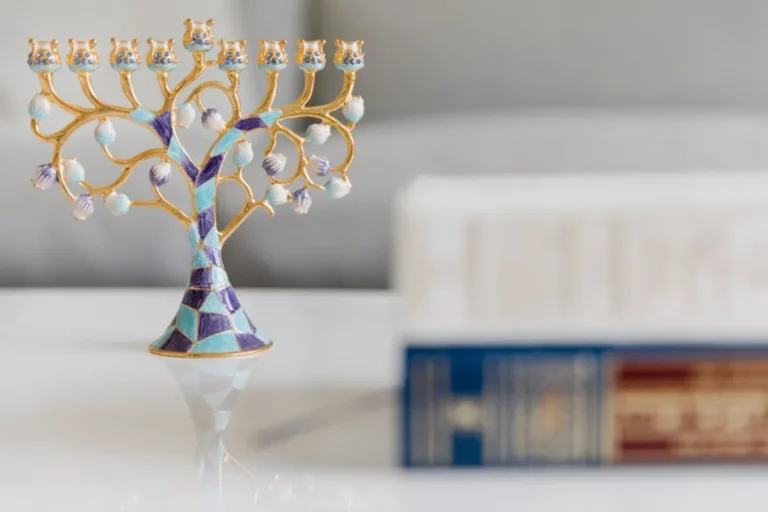

Purchasing Judaica, whether for personal use, a gift, or institutional purposes, involves navigating a rich landscape of tradition, artistry, and varying quality. These aren't simply decorative items; many carry significant religious and cultural weight, requiring careful consideration beyond aesthetics or price point. Understanding the specific purpose of the item, verifying its authenticity, and assessing craftsmanship are critical steps to ensure a meaningful and lasting acquisition. To ensure you make a meaningful and lasting acquisition, consider consulting a beginner's guide to Judaica shopping.
Understanding Judaica Categories and Intent
Before any purchase, define the item's primary role. Judaica encompasses a broad spectrum, and clarity on its intended use will guide your selection process, ensuring you meet specific requirements, especially for ritual objects.
Ritual Items: Function and Halakha
Items such as mezuzahs, tefillin, Torah scrolls, shofars, and certain Kiddush cups or menorahs fall into this category. Their primary function is to fulfill a religious commandment or facilitate a ritual. For these, adherence to halakhic (Jewish law) requirements is paramount. A mezuzah scroll, for instance, must be hand-scribed on parchment by a trained scribe (sofer) using specific ink and script, and checked for accuracy. Similarly, a shofar must be from a kosher animal and prepared according to tradition. Functionality here precedes aesthetics, though beautiful craftsmanship is often a valued addition.
Key considerations:
- Certification: For mezuzahs, tefillin, and Torah scrolls, always seek items with a reliable certification of kashrut and proper scribal work.
- Material integrity: Ensure materials used (e.g., silver for a Kiddush cup, specific woods for a challah board) are appropriate and durable for their intended ritual use.
- Usability: Confirm the item is practical for its purpose, such as a menorah that safely holds candles or oil.
Decorative Items: Aesthetics and Cultural Significance
This category includes Jewish art, sculptures, wall hangings, Shabbat candlesticks (where halakhic requirements are less stringent than for a Torah scroll), and various home decor pieces that celebrate Jewish culture and heritage. While quality and authenticity remain important, the emphasis shifts more towards artistic merit, design, and how the item complements its environment. These pieces often serve to beautify a home, express identity, or commemorate an event.
Key considerations:
- Artistic style: Does the piece align with your aesthetic preferences or the recipient's?
- Material and finish: Evaluate the quality of materials like metals, glass, wood, or textiles, and the durability of finishes.
- Cultural resonance: Does the item authentically represent Jewish themes or symbols?
Gifts and Educational Resources
Items like children's books, holiday-themed crafts, jewelry with Jewish symbols, or small commemorative pieces often serve as gifts or educational tools. Here, the focus is on appropriateness for the recipient's age or interest, durability for handling, and clarity of message. While not typically bound by strict halakhic rules, quality and thoughtful design enhance their value.
Key Considerations for Authentic and Quality Purchases
Regardless of the category, several factors consistently determine the authenticity and lasting value of Judaica. Regardless of the category, several factors consistently determine authenticity and lasting value, which can be summarized in a helpful shopping checklist.
Material and Craftsmanship
The choice of material significantly impacts an item's durability, appearance, and value. Sterling silver is a classic choice for ritual items like Kiddush cups or spice boxes due to its luster and longevity. Fine woods, hand-blown glass, and high-quality ceramics are also common. Examine the craftsmanship: are seams clean, engravings precise, finishes even, and details well-executed? Handmade items often command a higher price due to the skill and time invested, offering unique character that mass-produced pieces lack.
Certification and Provenance
For ritual items, especially those with strict halakhic requirements, certification from a recognized rabbinic authority or a reputable scribe is crucial. This verifies that the item was produced according to Jewish law. For other items, understanding their provenance—where they were made, by whom, and from what materials—adds to their value and authenticity. Artisanal pieces often come with artist statements or biographies, providing insight into their creation and cultural context.
Seller Reputation and Transparency
Purchasing from established retailers with a history of positive customer feedback is essential. A reputable seller will provide clear descriptions, high-resolution images, and transparent information regarding materials, dimensions, and any certifications. They should also offer clear return policies and responsive customer service. Scrutinize reviews for consistent themes regarding product quality, shipping, and dispute resolution.
Pro Tip: When purchasing a mezuzah or tefillin, always request a certificate of kashrut or a verifiable reference to the sofer (scribe) who wrote the parchment. This documentation is critical for ensuring the item meets religious standards and provides peace of mind regarding its authenticity and spiritual integrity.
Navigating Online and Offline Retailers
Both online marketplaces and physical stores offer distinct advantages for buying Judaica.
Advantages of Online Shopping
Online retailers typically provide a wider selection, allowing buyers to compare prices and styles from numerous artisans and brands globally. Convenience is a major factor, with the ability to shop at any time from any location. Many online stores specialize in specific types of Judaica, offering curated collections and detailed product information. High-quality product photography and customer reviews can help bridge the gap of not being able to physically inspect an item.
Benefits of Brick-and-Mortar Stores
Physical stores offer the invaluable opportunity to physically examine items, assess their weight, texture, and intricate details firsthand. This is particularly beneficial for high-value or tactile pieces. Store staff often possess deep knowledge about the items, their origins, and halakhic requirements, providing personalized advice and answering specific questions. Local shops also foster community connections and support local artisans.
Price vs. Value: Making Informed Decisions
The cost of Judaica can vary significantly. Understanding what drives these price differences helps in making an informed purchase that aligns with both budget and expectations for long-term value.
Understanding Pricing Factors
Prices are influenced by material costs (e.g., sterling silver vs. silver-plated, fine wood vs. composite), the complexity of design, the artist's reputation, and whether the item is handmade or mass-produced. Ritual items with stringent halakhic requirements, like hand-scribed scrolls, naturally command higher prices due to the specialized skill and time involved. Rarity and historical significance also play a role in antique or collectible pieces.
Long-Term Value and Heirloom Potential
Consider the potential for the item to become an heirloom. High-quality, authentic Judaica, especially ritual objects or unique artistic pieces, often gain sentimental and monetary value over time. Investing in well-crafted items made from durable materials ensures they can be passed down through generations, carrying family history and spiritual significance. This long-term perspective can justify a higher initial investment.
Practical Steps for a Successful Judaica Purchase
Follow these steps to ensure a satisfying and meaningful acquisition:
- Define your purpose: Clarify whether the item is for ritual, decorative, educational, or gift-giving use.
- Research thoroughly: Investigate different styles, materials, and artists. Read reviews and seek recommendations.
- Verify authenticity: For ritual items, confirm kashrut certification. For artistic pieces, inquire about provenance and artist background.
- Inspect craftsmanship: Examine details, finishes, and material quality, either in person or through high-resolution images.
- Compare sellers: Evaluate different retailers based on selection, pricing, customer service, and return policies.
- Consider long-term value: Think about durability, care requirements, and potential for heirloom status.
- Ask questions: Don't hesitate to contact sellers for more information before committing to a purchase.
Frequently Asked Questions About Judaica Shopping
How do I ensure a mezuzah is kosher?
Always purchase a mezuzah parchment (klaf) from a reputable Jewish bookstore or online vendor specializing in ritual items. Look for a certificate of kashrut or a known, reliable scribe (sofer) who guarantees their work meets halakhic standards. Avoid purchasing scrolls from unverified sources, as their kashrut cannot be guaranteed.
What materials are best for long-lasting Judaica?
For durability and heirloom quality, sterling silver, high-grade brass, fine hardwoods (like olive wood or mahogany), and hand-blown or fused glass are excellent choices. These materials are known for their longevity and often age beautifully with proper care. Parchment for scrolls, when properly prepared and maintained, can also last for centuries.
Can I return Judaica if it doesn't meet my expectations?
Return policies vary significantly by retailer. Before purchasing, especially for high-value or custom items, carefully review the seller's return and exchange policy. Some retailers may offer full refunds, while others may have restocking fees or only provide store credit. Items like personalized or ritual scrolls might be non-returnable.
How should I care for my Judaica?
Care instructions depend heavily on the material. Sterling silver requires periodic polishing to prevent tarnish. Wood items benefit from occasional oiling to maintain their luster and prevent drying. Glass and ceramic items should be cleaned with gentle, non-abrasive cleaners. For ritual scrolls, avoid direct sunlight and extreme humidity, and handle with clean hands to preserve the ink and parchment.