Acquiring Judaica transcends a simple transaction; it involves selecting items imbued with religious significance, cultural heritage, and often, substantial personal value. Whether for ritual observance, home adornment, or gifting, each piece represents an investment in tradition and aesthetics. A structured approach ensures the chosen items meet specific requirements for authenticity, durability, and halachic (Jewish law) compliance, alongside personal aesthetic preferences. This checklist provides a framework for evaluating Judaica purchases, guiding buyers toward informed decisions that honor both purpose and quality.
Understanding Judaica Categories and Their Specific Needs
Judaica encompasses a wide array of items, each with distinct considerations. Recognizing these differences is the first step in a discerning purchase.
Ritual Items: Functionality and Halachic Precision
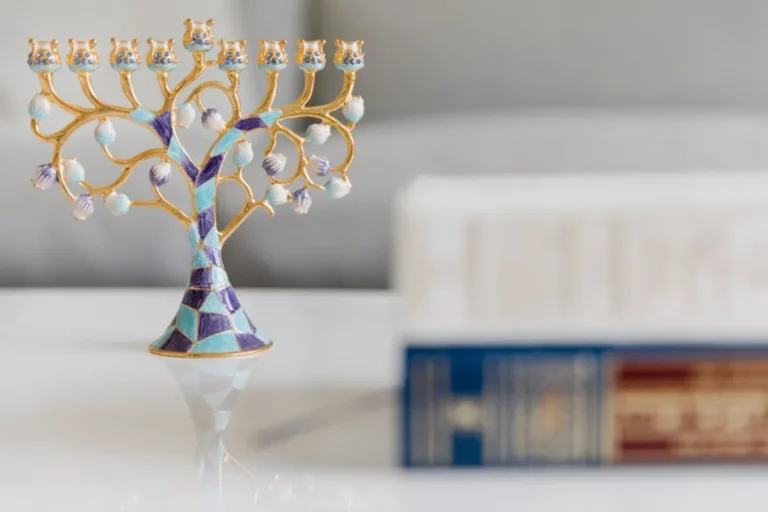
Items like menorahs, kiddush cups, shofars, and Seder plates serve specific religious functions. Their primary evaluation points include material suitability for their intended use, stability, and, critically, adherence to halachic specifications. For example, a shofar must be from a kosher animal and prepared without alteration to its natural sound-producing qualities. A menorah requires stable candleholders or oil cups, and materials that withstand heat without degradation over time. Kiddush cups should be made from a material suitable for holding wine and be free from defects that might compromise their ritual use.
Decorative and Home Items: Aesthetic Integration and Symbolic Accuracy
This category includes challah covers, art pieces, and mezuzah cases. While aesthetics play a significant role, symbolic accuracy and material resilience remain vital. Challah covers, for instance, should be made from durable, washable fabrics, often embroidered with traditional motifs. Mezuzah cases, while decorative, must adequately protect the kosher parchment (klaf) within from environmental damage. When selecting decorative items, consider how they integrate with existing home decor while still conveying their intended Jewish symbolism clearly.
Apparel and Accessories: Comfort, Material, and Observance
Tallitot (prayer shawls) and kippot (skullcaps) fall into this category. Comfort, material breathability, and halachic sizing are paramount. A tallit's material—wool, cotton, or synthetic—affects its drape, weight, and warmth. The tzitzit (fringes) must be tied according to halacha, and the fabric itself should be free of shaatnez (a forbidden mixture of wool and linen). Kippot vary in material and size; the key is ensuring they provide adequate head covering if worn for religious observance.
Key Considerations for Any Judaica Purchase
Beyond category-specific details, several overarching factors apply to nearly all Judaica acquisitions.
Authenticity and Provenance
Verifying the origin and legitimacy of a Judaica piece is crucial. This involves understanding the artisan's background, the materials' source, and any associated certifications. For items like mezuzah scrolls or tefillin, rabbinic certification from a recognized authority is non-negotiable, confirming the scribe's piety and the scroll's adherence to exacting standards.
Material Quality and Durability
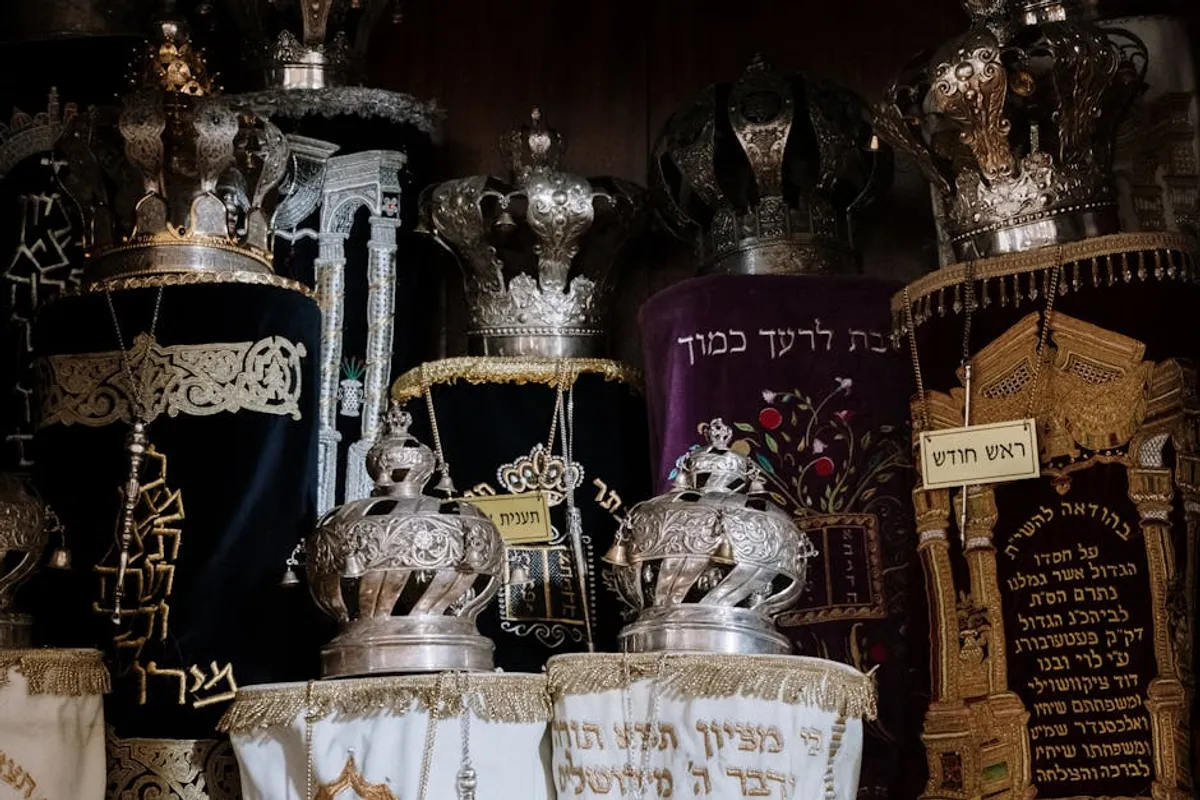
The longevity and appearance of Judaica are directly tied to its materials. Silver items should be sterling silver (925) for purity and lasting luster, requiring specific cleaning. Brass and copper pieces offer warmth and durability but may tarnish, necessitating polishing. Wood items should be well-finished to prevent warping or cracking. Textiles demand robust weaves and colorfast dyes to withstand use and cleaning without fading or fraying. Assessing the weight and finish can indicate overall material integrity.
Craftsmanship and Detail
The quality of execution distinguishes a lasting piece. Look for precision in carving, smoothness in metalwork, evenness in embroidery, and secure joinery. Hand-made items often exhibit unique character and meticulous attention to detail that mass-produced pieces may lack. Evaluate symmetry, the clarity of inscriptions, and the overall finish for signs of skilled artistry.
Halachic Compliance (Where Applicable)
For ritual objects, strict adherence to Jewish law is fundamental. This includes specific dimensions, materials, and methods of creation. For example, a shofar must be whole and unadorned. A mezuzah scroll must be hand-written by a qualified scribe (sofer) on parchment, with each letter formed perfectly according to tradition. Understanding these requirements prevents purchasing an item that, while aesthetically pleasing, may be ritually invalid.
Aesthetic and Design Harmony
While secondary to halachic compliance for ritual items, aesthetics are important for integration into one's home or personal style. Consider whether the design aligns with traditional, contemporary, or a hybrid aesthetic. The color palette, motifs, and overall style should resonate with the buyer's taste and existing decor, ensuring the item feels meaningful and appropriate in its setting.
Budget Allocation
Judaica ranges widely in price, influenced by materials, craftsmanship, artisan reputation, and rarity. Establish a budget early, but prioritize quality and halachic validity over solely cost-driven decisions, especially for ritual items. A higher initial investment often translates to greater durability, aesthetic appeal, and long-term satisfaction.
The Purchasing Process: What to Verify
Before finalizing a purchase, a systematic verification process helps mitigate risks and ensures satisfaction.
- Inquire about the artisan or manufacturer: Understanding their reputation and experience can inform your decision.
- Confirm material specifications: Ask for details on metal purity, wood type, or textile composition.
- Request certification for ritual items: Ensure mezuzah scrolls, tefillin, or shofars come with verifiable rabbinic approval.
- Examine the item for defects: Check for scratches, chips, uneven finishes, or loose components.
- Understand care and maintenance instructions: Know how to properly clean and store the item to preserve its condition.
- Clarify return and exchange policies: Familiarize yourself with the vendor's terms in case the item does not meet expectations upon receipt.
Pro Tip: When purchasing high-value or ritually sensitive Judaica online, always request high-resolution images from multiple angles and inquire about the specific lighting used for product photography. This helps to accurately assess details, material finish, and any potential imperfections that might be obscured in standard product shots. Verify any claims of "kosher" or "certified" with independent rabbinic sources if documentation is unclear or absent.
Ensuring Lasting Value and Use
A well-chosen piece of Judaica is more than an object; it is often a family heirloom or a central component of religious life. Proper care, regular maintenance, and respectful handling ensure its longevity and continued significance. Store delicate items in protective casings, clean metals with appropriate polishes, and handle scrolls or sacred texts with reverence. Understanding the item's construction and materials allows for targeted care, preserving its aesthetic and functional integrity for generations.
Frequently Asked Questions About Judaica Purchases
How do I ensure a mezuzah scroll is kosher?
A kosher mezuzah scroll (klaf) must be hand-written by a qualified scribe (sofer) on parchment, with each letter formed precisely according to halachic law. The most reliable method to ensure its kosher status is to purchase from a reputable vendor who provides a certificate of authenticity from a recognized rabbinic authority or a known, trusted scribe.
What materials are best for a durable menorah?
Durable menorahs are typically crafted from metals like sterling silver, brass, or bronze, which are resistant to heat and can withstand repeated use. When evaluating, look for solid construction, stable bases, and well-secured candleholders or oil cups. Avoid thin or flimsy materials that may warp or corrode over time.
Is hand-made always better than mass-produced for Judaica?
Hand-made Judaica often exhibits unique artistic expression, meticulous attention to detail, and higher craftsmanship, reflecting the artisan's skill and dedication. Mass-produced items can offer consistency and affordability but may lack the distinct character and intricate detailing of hand-crafted pieces. The "better" option depends on whether the buyer prioritizes unique artistry and individual character over uniform production and cost efficiency.
What should I look for in a challah cover?
A good challah cover should be made from a durable, washable fabric such as linen, cotton, or silk, capable of withstanding regular use and cleaning. Examine the stitching for strength and precision, especially around embroidered designs. Consider designs that are aesthetically pleasing and culturally appropriate, ensuring any Hebrew text or Jewish symbols are accurately rendered.