
Navigating the world of Judaica for the first time can feel expansive, given its rich history and diverse array of items. Whether seeking a meaningful gift, a piece for personal observance, or an item to enrich a home, understanding the various categories, materials, and provenance considerations is crucial for a confident purchase. This guide provides a foundational overview, helping beginners distinguish between ritual objects, holiday items, and decorative pieces, while also outlining practical considerations for quality and authenticity.
Understanding Judaica Categories
Judaica encompasses a broad spectrum of objects, each serving a distinct purpose, from daily ritual to holiday celebration and aesthetic enrichment. Categorizing these items helps in understanding their significance and intended use.
Ritual Objects for Home and Synagogue
These items are central to Jewish religious practice, often used daily or weekly. Their design and construction frequently adhere to specific halakhic (Jewish law) requirements, making authenticity and craftsmanship particularly important.
- Mezuzahs: Enclosures containing a parchment scroll (klaf) inscribed with specific Torah verses, affixed to doorposts. Variations exist in material (wood, metal, ceramic, glass) and decorative style, but the klaf itself must be hand-scribed by a qualified scribe.
- Tefillin: Two black leather boxes containing parchment scrolls, worn on the arm and head during weekday morning prayers. These are among the most meticulously crafted and regulated items, requiring expert scribal work and assembly.
- Tallitot: Prayer shawls with fringes (tzitzit) on their four corners. Materials range from wool and cotton to silk, with designs varying from simple white to elaborately embroidered. The tzitzit must be tied according to specific traditions.
- Kiddush Cups: Used for the sanctification blessing over wine on Shabbat and holidays. Materials include silver, pewter, ceramic, and glass, often featuring intricate engravings or filigree.
Observance & Holiday Items
These objects are specifically used during Jewish holidays and festivals, often becoming focal points of family celebrations and communal gatherings.
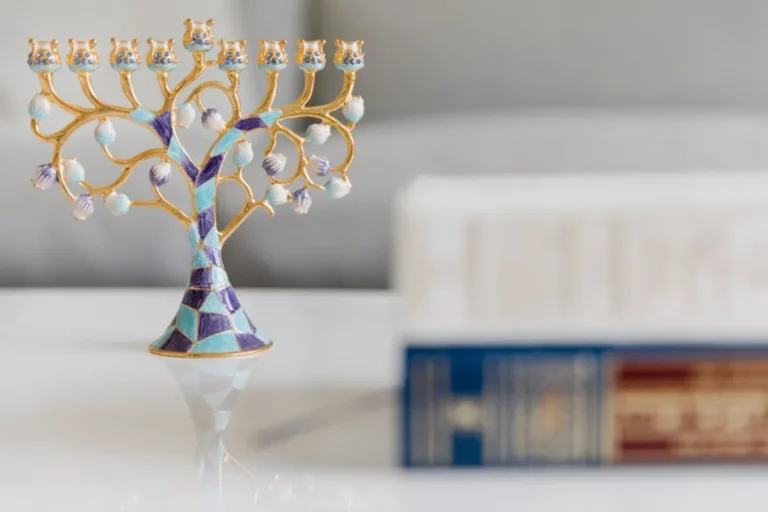
- Menorahs/Hanukkah Lamps: Used during the eight-day festival of Hanukkah to light candles. Designs vary widely, from traditional oil lamps to modern candleholders, with the primary requirement being distinct separation for each light.
- Seder Plates: Central to the Passover Seder, holding symbolic foods. These can be simple ceramic plates or elaborate multi-tiered silver constructions, often adorned with holiday motifs.
- Shofars: Ram's horns blown during Rosh Hashanah and at the conclusion of Yom Kippur. The quality is determined by the horn's natural shape, polish, and ability to produce clear, resonant tones.
- Etrog Boxes: Used to protect the etrog (citron) during Sukkot. These are often decorative, made from wood, silver, or other materials, reflecting the preciousness of the fruit.
Decorative and Gift Judaica
This category includes items that adorn Jewish homes, serve as gifts, or commemorate life cycle events. While often beautiful, their primary purpose is aesthetic or symbolic rather than strictly ritualistic.
- Hamsas: Hand-shaped amulets believed to offer protection, often incorporating symbols like the Evil Eye or Star of David. Available in various materials and artistic styles.
- Jewish Art and Wall Hangings: Paintings, prints, tapestries, and sculptures featuring Jewish themes, Hebrew calligraphy, or Israeli landscapes.
- Children's Judaica: Items like themed toys, storybooks, and miniature ritual objects designed to introduce younger generations to Jewish traditions.
Key Considerations for Your Purchase
Beyond identifying the type of item, understanding what constitutes quality and authenticity is paramount when shopping for Judaica.
Authenticity and Provenance
For ritual objects, authenticity is non-negotiable. A mezuzah scroll or tefillin klaf must be hand-scribed by a certified scribe (sofer) according to strict guidelines. Mass-produced prints or unverified scrolls lack ritual validity. For other items, provenance—the history of ownership or origin—can add significant value, particularly for antique pieces or works by renowned artists.
Pro Tip: When purchasing a mezuzah scroll, tefillin, or Torah scroll, always request documentation or certification from the seller verifying the klaf (parchment) was written by a qualified sofer. This ensures ritual validity and avoids purchasing non-kosher items.
Material and Craftsmanship
The materials used and the skill of the artisan directly impact an item's durability, aesthetic appeal, and value. Silver, particularly sterling silver, is a traditional and highly valued material for Kiddush cups, menorahs, and Seder plates due to its luster and workability. Fine woods, hand-blown glass, and meticulously embroidered textiles also signify quality. Examine details like soldering, engraving precision, and finish consistency. Handmade items often possess unique character and superior detail compared to machine-produced pieces.
Value and Investment
While most Judaica purchases are driven by personal or religious significance, some pieces, particularly those crafted from precious metals, by renowned artists, or with historical provenance, can appreciate in value. Consider the artist's reputation, the rarity of the piece, and the materials used. For items intended as heirlooms, investing in higher quality craftsmanship and materials is often justified.
Navigating the Marketplace
The marketplace for Judaica is diverse, ranging from specialized local shops to extensive online platforms and artisan fairs.
Specialized Retailers
These brick-and-mortar stores often have knowledgeable staff who can provide detailed information about items, their ritual requirements, and cultural significance. They typically carry a curated selection, focusing on quality and authenticity, especially for ritual objects. This allows for in-person inspection of craftsmanship.
Online Platforms
Online shops offer unparalleled selection and convenience, often featuring items from artisans and suppliers worldwide. When purchasing online, prioritize retailers with clear return policies, detailed product descriptions, high-resolution images, and customer reviews. Look for indications of authenticity, especially for ritual items, such as explicit mention of sofer certification.
Artisan Markets and Galleries
For unique, handcrafted pieces, artisan markets, Jewish art fairs, and galleries are excellent sources. These venues provide opportunities to meet the artists, understand their creative process, and purchase one-of-a-kind items directly. Such pieces often carry a personal story and unique artistic expression.
Making an Informed Choice
Choosing Judaica involves a blend of practical considerations and personal connection. Begin by identifying the item's primary purpose—ritual, holiday, or decorative. Research specific requirements for ritual objects and understand the materials and craftsmanship involved. Compare options across different vendors, prioritizing those with transparent information regarding authenticity and quality. Ultimately, the most valuable piece of Judaica is one that resonates personally, fulfills its intended purpose, and is crafted with care and respect for tradition.
Common Questions About Judaica
What is Judaica?
Judaica refers to objects associated with Jewish tradition, culture, and religious practice. This includes ritual items, holiday-specific objects, and decorative pieces for the home or synagogue.
How do I know if a piece of Judaica is authentic?
For ritual items like mezuzahs or tefillin, authenticity is confirmed by certification that the parchment scrolls were hand-written by a qualified scribe (sofer) according to Jewish law. For other items, authenticity relates to materials, craftsmanship, and provenance, often verified by reputable sellers or artist documentation.
What are common materials used in Judaica?
Common materials include sterling silver, brass, pewter, wood (olive wood, mahogany), glass (often hand-blown or fused), ceramic, and various textiles like silk, cotton, and wool for prayer shawls. The choice of material often reflects tradition, aesthetic preference, and budget.
Is Judaica only for religious people?
No. While many Judaica items are used in religious observance, many pieces serve cultural, decorative, or commemorative purposes. Individuals from diverse backgrounds acquire Judaica for its artistic beauty, historical significance, or as a connection to Jewish heritage, regardless of their level of religious observance.