Navigating the diverse world of Judaica for purchase requires understanding not only the item's aesthetic appeal but also its cultural significance, functional purpose, and material integrity. Whether acquiring pieces for personal ritual observance, home decoration, educational purposes, or as meaningful gifts, the selection process benefits from specific examples and clear criteria. This detailed overview provides concrete instances of Judaica items, highlighting key considerations for each category to ensure informed acquisition decisions.
Ritual Observance Essentials: Function and Authenticity
For items central to Jewish ritual, authenticity and adherence to halachic (Jewish law) standards are paramount. These pieces are not merely decorative; they serve specific religious functions, making their construction and materials critical.
Mezuzahs: Verifying the Klaf
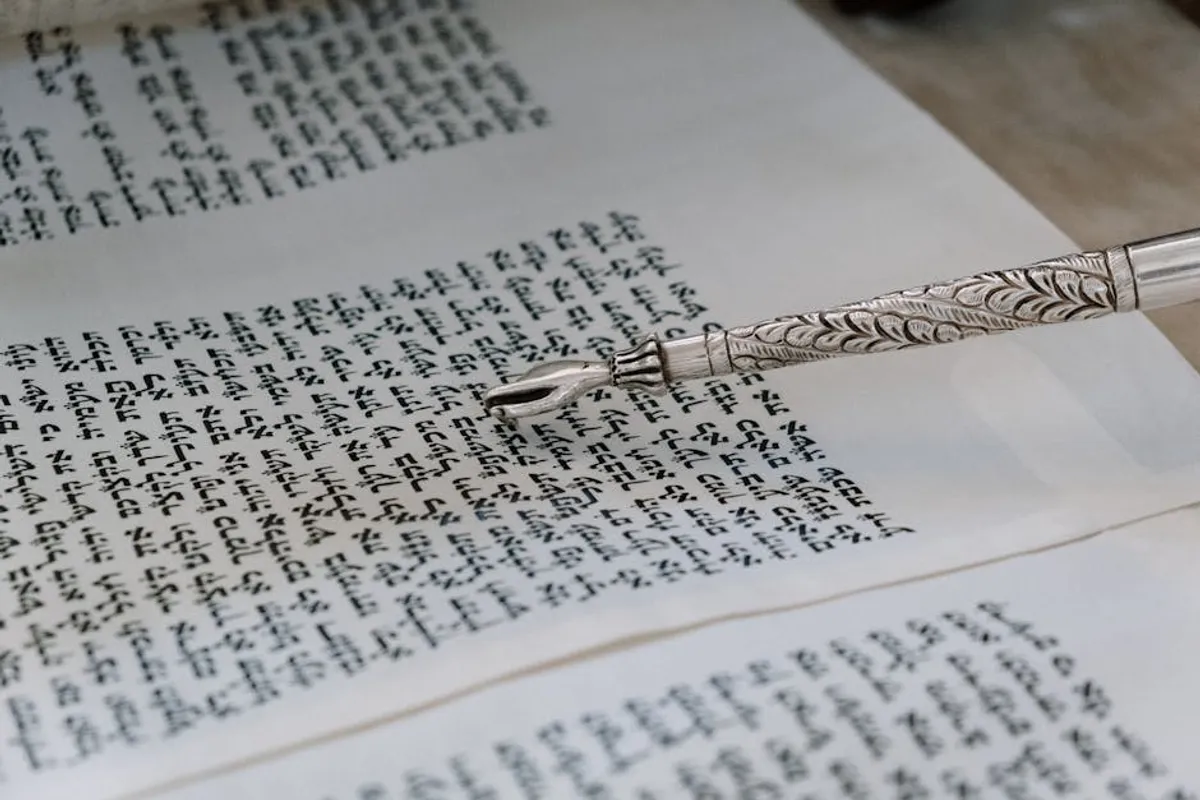
A mezuzah consists of a parchment scroll (klaf) inscribed with specific Hebrew verses, housed within a decorative case. The primary value resides in the klaf, not the case. When shopping for mezuzahs, prioritize the klaf's certification. Reputable vendors will provide documentation or guarantee that the klaf was hand-written by a qualified scribe (sofer) and checked for errors. Cases, while varying widely in material (wood, metal, glass, ceramic) and design, are secondary. A sterling silver case offers durability and aesthetic value, often chosen for its heirloom quality, while a simple acrylic case serves the same ritual purpose if the klaf is valid.
Best for: Fulfilling the mitzvah of mezuzah, ensuring a kosher scroll for spiritual protection.
Shabbat Candlesticks: Material and Stability
Shabbat candlesticks are used weekly to usher in the Sabbath. Practical considerations include stability, ease of cleaning, and material. Solid sterling silver candlesticks are a classic choice, valued for their luster, weight, and resistance to tarnishing (though they still require polishing). Brass options provide a similar traditional aesthetic at a lower price point, often with intricate detailing. Ceramic or glass candlesticks offer modern design flexibility and can be more affordable, but may be more fragile. Look for a wide, stable base to prevent tipping, especially when candles are lit.
Best for: Regular use, aesthetic integration with home decor, and long-term durability.
Kiddush Cups: Personalization and Design
The Kiddush cup is used for the blessing over wine on Shabbat and holidays. Choices range from ornate sterling silver cups, often passed down through generations, to contemporary designs in glass, ceramic, or pewter. Some feature intricate filigree, biblical scenes, or Hebrew inscriptions. For a bar or bat mitzvah gift, a personalized Kiddush cup engraved with the recipient's name and date adds significant sentimental value. Consider the cup's capacity, as some prefer a larger volume for communal use, while others opt for a more personal size.
Best for: Commemorating special occasions, personal ritual use, and gifting.
Pro Tip: When purchasing any ritual Judaica item, especially those with Hebrew text or specific halachic requirements like mezuzah scrolls or tefillin, always verify the vendor's reputation and their commitment to halachic standards. Ask about certification or the qualifications of the scribe/artisan. A lower price often indicates a compromise in authenticity or craftsmanship for these specific items.
Home & Decor Accents: Craftsmanship and Aesthetic Integration
Decorative Judaica enhances the home environment, reflecting Jewish identity and heritage. Here, artistic merit, material quality, and design coherence with existing decor become primary considerations.
Challah Covers: Fabric and Embellishment
Used to cover the challah bread on Shabbat and holidays, challah covers are often textile-based. Options include hand-embroidered linen or silk, machine-embroidered cotton, or hand-painted designs. The choice depends on desired formality, durability, and artistic preference. Linen offers a classic, elegant look, while silk provides a luxurious feel. Consider designs that incorporate Hebrew blessings, Shabbat imagery, or floral motifs. Some covers are reversible, offering versatility.
Best for: Adding beauty to the Shabbat table, protecting challah, and personalizing holiday settings.
Jewish Wall Art: Medium and Message
Jewish wall art encompasses a broad spectrum, from traditional ketubah (marriage contract) reproductions and mizrach plaques (indicating the direction of Jerusalem for prayer) to contemporary abstract pieces incorporating Hebrew calligraphy or Jewish symbolism. Materials vary widely: paper prints, canvas, metal sculptures, or fused glass. When selecting, consider the artwork's message, its color palette, and how its medium complements the room's existing decor. A metal hamsa wall hanging, for example, offers a modern interpretation of a traditional protective symbol, while a giclée print of a Jerusalem landscape provides a classic, evocative scene.
Best for: Expressing Jewish identity, enhancing home aesthetics, and providing meaningful visual focal points.
Hanukkah Menorahs: Design and Fuel Source
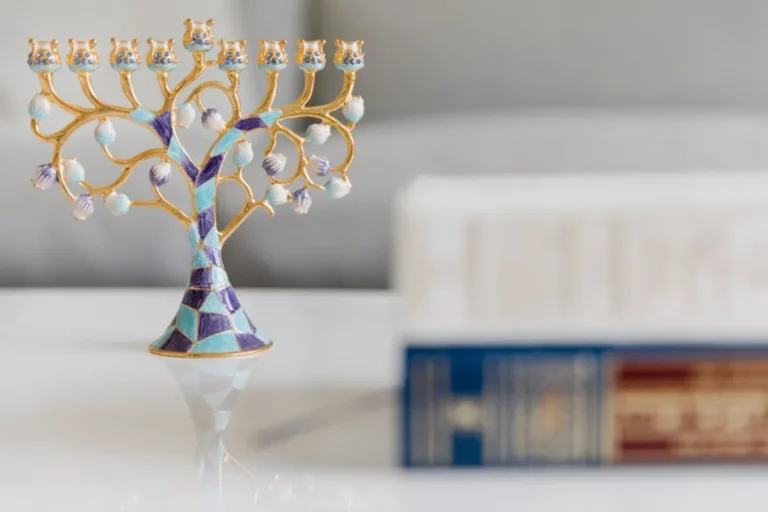
Hanukkah menorahs (or hanukkiot) are central to the eight-day festival. Designs range from traditional brass or silver candelabras to modern interpretations in glass, ceramic, or even recycled materials. Functionally, consider whether it's designed for candles or oil. Oil menorahs, often replicating ancient designs, require specific oil cups and wicks, offering a more historical experience. Candle menorahs are simpler to use, with various candle sizes available. Look for stability and ease of cleaning wax or oil residue.
Best for: Celebrating Hanukkah, decorative display, and educational purposes for children.
Personal & Gift Items: Meaning and Customization
Judaica often serves as deeply meaningful gifts for life cycle events or personal adornment, emphasizing connection and remembrance.
- Jewish Jewelry: Popular choices include pendants featuring the Star of David, Chai symbol, Hamsa, or Hebrew names. Materials range from sterling silver and gold to less expensive options like stainless steel or artisan-crafted pieces. Consider the wearer's style and the occasion. A delicate gold Chai pendant makes a subtle statement, while a bolder silver Hamsa offers a protective charm.
- Bar/Bat Mitzvah Gifts: Common gifts include a quality Siddur (prayer book), a personalized Tzedakah (charity) box, or a meaningful piece of jewelry. A sterling silver Tzedakah box, perhaps engraved, teaches the importance of charity and becomes a lasting keepsake.
- Passover Seder Plates: These can be purely functional, with designated spots for the symbolic foods, or highly artistic, serving as a centerpiece for the Seder. Materials include ceramic, glass, pewter, or hand-painted wood. A multi-tiered Seder plate adds visual interest and can be a conversation starter.
Making Informed Judaica Selections
When approaching Judaica shopping, consider the item's intended use, the level of craftsmanship desired, and its long-term value. For ritual items, prioritize halachic integrity. For decorative pieces, focus on aesthetic integration and material quality. For gifts, emphasize personalization and symbolic meaning. By applying these specific criteria, you can select Judaica that not only meets your needs but also enriches your home and spiritual life.
Frequently Asked Questions
What makes a Judaica item "authentic"?
Authenticity for ritual Judaica often means adherence to Jewish law (halacha) in its creation, such as a mezuzah scroll hand-written by a certified scribe. For decorative items, authenticity refers to genuine craftsmanship, traditional designs, or materials true to their description.
Where is the best place to buy Judaica?
Specialized Judaica stores, both brick-and-mortar and online, are generally the best sources due to their expertise, curated selection, and often their ability to verify authenticity for ritual items. Artisan markets and museum shops also offer unique, high-quality pieces.
What are common materials used in Judaica?
Common materials include sterling silver, brass, copper, various woods (especially olive wood from Israel), glass, ceramics, and textiles like linen, silk, and cotton. The choice of material often influences the item's durability, aesthetic, and price point.
How do I choose Judaica as a gift?
Consider the recipient's personal style, their level of religious observance, and the occasion. Personalized items like engraved Kiddush cups or Tzedakah boxes are highly cherished. Practical ritual items, beautiful decorative pieces, or meaningful jewelry are all excellent choices.