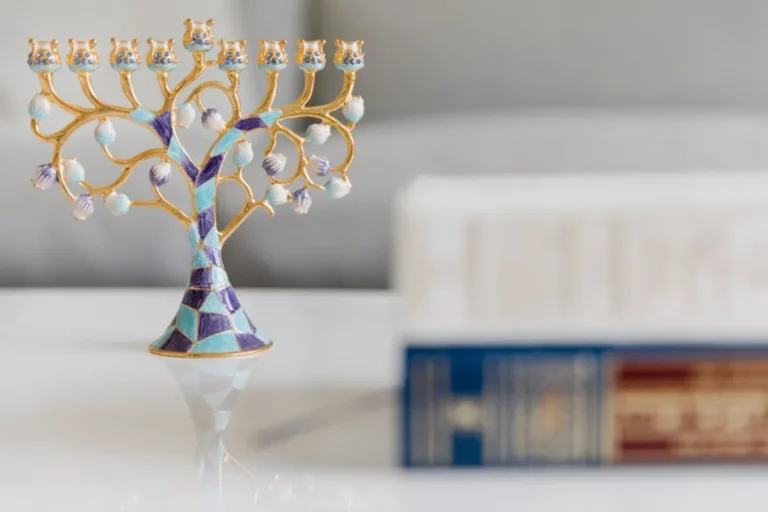

Judaica shopping is a distinct retail experience, blending cultural heritage, religious observance, and artistic appreciation. Unlike general merchandise purchases, acquiring Judaica often involves considerations beyond mere utility or aesthetics. Buyers frequently seek items that are not only beautiful or functional but also halachically compliant, deeply symbolic, or crafted with a specific tradition in mind. Understanding these layers is key to appreciating the market dynamics and the buyer's journey.
Core Categories of Judaica
The vast landscape of Judaica can be broadly categorized, each with its own set of purchasing criteria and buyer motivations. Identifying the primary function and significance of an item is the first step in a discerning purchase.
- Ritual & Observance Items: These are central to Jewish religious practice. Examples include mezuzahs, menorahs for Hanukkah, Seder plates for Passover, Kiddush cups for Shabbat, tallit (prayer shawls), and tefillin. For these items, halachic (Jewish law) compliance is paramount. Buyers prioritize certification, material integrity, and the reputation of the scribe or artisan.
- Home & Decorative Elements: This category encompasses items that enrich the Jewish home environment. Shabbat candlesticks, challah boards, hamsas for protection, and various forms of wall art fall here. While aesthetics are a primary driver, cultural significance and artistic expression also play a significant role. Materials often range from sterling silver and brass to ceramic, glass, and wood.
- Books & Educational Resources: Prayer books (siddurim), Torah commentaries, children's books on Jewish holidays, and academic texts form this segment. Considerations include the specific edition, translation (e.g., Hebrew-English), commentary style, and target age group or level of scholarship.
- Jewelry & Apparel: Items like Star of David necklaces, Hamsa pendants, and modest clothing designed for Jewish women (e.g., tichels or head coverings). Here, personal expression, material quality (precious metals, gemstones), and adherence to specific modesty standards are important. Symbolism is often a strong motivator for jewelry purchases.
Critical Buying Considerations
Purchasing Judaica involves a unique set of decision factors that influence buyer trust and satisfaction. These elements are often more pronounced than in general retail.
Authenticity and Halachic Compliance
For ritual items, authenticity is not merely about brand origin; it's about adherence to religious law. A mezuzah scroll, for instance, must be hand-written by a certified scribe (sofer) on kosher parchment according to strict guidelines. Similarly, tefillin must meet precise specifications. Buyers often look for clear indications of rabbinic supervision or certification for such items.
Pro Tip: When purchasing ritual items such as mezuzah scrolls or tefillin, always verify the item's halachic certification. Reputable sellers will provide documentation or clear provenance from a recognized rabbinic authority or certified scribe, ensuring the item is fit for its sacred purpose.
Craftsmanship and Material Quality
The longevity and aesthetic appeal of Judaica are often tied to its construction. Hand-crafted items, whether a sterling silver Kiddush cup or an intricately carved wooden challah board, command higher prices due to the skill and time invested. Buyers assess materials like sterling silver, brass, copper, fine wood, or ceramics for durability, finish, and overall artistic merit. The choice between mass-produced and artisan-made pieces reflects different priorities regarding cost, uniqueness, and heirloom potential.
Symbolism and Personal Meaning
Many Judaica purchases are deeply personal, marking lifecycle events (weddings, bar/bat mitzvahs, brit milah) or commemorating holidays. The item's symbolism—a Hamsa for protection, a menorah for light, a shofar for introspection—adds significant emotional value. Buyers often seek pieces that resonate with their personal connection to tradition or serve as meaningful gifts.
Price Points and Value Perception
The cost of Judaica varies widely, from accessible mass-produced items to high-end, custom-commissioned art pieces. Factors influencing price include the rarity and quality of materials, the artist's reputation, the complexity of design, and the labor involved (e.g., hand-engraving versus machine-stamping). Value is often perceived not just in monetary terms but in the item's spiritual significance, heirloom potential, and cultural resonance.
Channels for Acquiring Judaica
Buyers navigate several distinct channels, each offering different advantages and experiences.
Specialty Retailers and Boutiques
These stores, often located in Jewish communities, offer a curated selection of items. They provide an in-person shopping experience, allowing buyers to inspect items firsthand and receive expert advice from knowledgeable staff. This channel is particularly valuable for complex or high-value ritual items where detailed explanations are beneficial.
Online Marketplaces and E-commerce Stores
The digital realm provides access to a vast inventory from global sellers, offering convenience and competitive pricing. Online buyers rely heavily on detailed product descriptions, high-resolution imagery (including multiple angles and close-ups), customer reviews, and clear return policies. The challenge lies in verifying authenticity and quality without physical inspection, making seller reputation and transparent product information critical.
Artisans and Craft Fairs
For unique, custom, or limited-edition pieces, direct purchases from artists at craft fairs or through their personal studios are common. This channel offers a direct connection to the creator and the story behind the art, appealing to buyers seeking distinctive, often one-of-a-kind items.
Synagogue Gift Shops and Community Centers
Many synagogues and Jewish community centers operate gift shops. These often feature a selection of popular Judaica, frequently supporting local artists or community initiatives. The selection may be smaller but is typically curated to meet the needs of the local community.
Navigating the Purchase
Effective Judaica shopping, whether online or in person, requires attention to detail. Beyond the item itself, consider the seller's transparency and support. For online purchases, examine shipping costs, insurance options for delicate or valuable items, and the seller's responsiveness to inquiries. Understanding the full scope of what you are buying, from its material composition to its cultural context, ensures a meaningful acquisition.
Frequently Asked Questions
What makes Judaica different from general decorative items?
Judaica items are distinguished by their specific connection to Jewish tradition, religion, and culture. They often serve ritual purposes, commemorate holidays, mark lifecycle events, or carry deep symbolic meaning, transcending purely aesthetic or functional roles.
How can I ensure a Judaica item is authentic, especially for ritual use?
For ritual items like mezuzahs or tefillin, authenticity is tied to halachic compliance. Look for clear certification or provenance from a recognized rabbinic authority or a certified scribe (sofer). Reputable sellers will provide this information transparently.
Are there specific materials to look for in quality Judaica?
Quality Judaica often features materials like sterling silver, brass, copper, fine wood (e.g., olive wood), high-grade ceramics, and hand-blown glass. The choice of material impacts durability, aesthetic appeal, and value, with hand-crafted pieces generally reflecting higher artistic and material standards.
What should I consider when buying Judaica as a gift?
When gifting Judaica, consider the recipient's personal connection to Jewish tradition, their level of observance, and their aesthetic preferences. Items for specific holidays or lifecycle events are popular, but general decorative items or symbolic jewelry also make thoughtful presents, ensuring the gift resonates personally.