Commercial building owners and facility managers face increasing pressure to optimize operational costs while meeting sustainability goals. An effective energy efficiency strategy directly translates to reduced utility bills, enhanced asset value, and improved tenant satisfaction. Implementing a structured energy efficiency checklist provides a clear roadmap for identifying inefficiencies, prioritizing upgrades, and tracking performance, moving beyond reactive maintenance to proactive resource management. This approach ensures capital expenditures deliver measurable returns and support long-term operational resilience.
Conducting a Comprehensive Energy Audit
Before any significant investment in upgrades, a detailed energy audit establishes a baseline and identifies specific areas for improvement. This diagnostic step is crucial for understanding current consumption patterns and pinpointing inefficiencies.
Utility Bill Analysis
Begin by compiling at least 12-24 months of utility bills. This historical data reveals consumption trends, peak demand charges, and seasonal variations. Anomalies in usage can indicate equipment malfunctions or operational issues. Analyze kilowatt-hour (kWh) consumption, demand charges (kW), and fuel usage (therms or gallons) to understand cost drivers beyond simple unit price.
Professional Energy Assessment
Engage certified energy auditors for a structured assessment. ASHRAE (American Society of Heating, Refrigerating and Air-Conditioning Engineers) offers three levels of audits:
- Level I (Walk-Through Audit): A preliminary assessment identifying obvious areas of waste and low-cost/no-cost opportunities. It includes a review of utility data and a visual inspection.
- Level II (Energy Survey and Analysis): A more detailed audit involving on-site measurements, energy balance calculations, and a financial analysis of recommended improvements. This provides a clear path for capital investments.
- Level III (Investment-Grade Audit): The most comprehensive audit, featuring detailed engineering analysis, sub-metering, and rigorous financial modeling (including life-cycle cost analysis) for major capital projects. This level is suitable for large-scale renovations or new construction.
Pro Tip: Always secure at least two independent audit proposals. Ensure the proposals clearly define the scope of work, deliverables, and the experience of the audit team, focusing on their track record with buildings of similar size and type.
Optimizing the Building Envelope
The building envelope—the roof, walls, windows, and foundation—acts as the primary barrier against heat gain and loss. Improving its performance directly reduces the load on HVAC systems.
Insulation Assessment and Upgrades
Inspect insulation levels in the attic/roof, exterior walls, and crawl spaces/foundations. Compare existing R-values (thermal resistance) against current building codes and recommended standards for your climate zone. Upgrading insufficient insulation in these areas can significantly reduce heat transfer, lowering heating and cooling demands.
Window and Door Performance
Evaluate windows and doors for air leakage and thermal efficiency. Single-pane windows are significant sources of heat loss or gain. Consider upgrades to double- or triple-pane glazing with low-emissivity (Low-E) coatings, which reflect radiant heat. Ensure all windows and doors have tight seals and weatherstripping, replacing any that are worn or damaged.
Roofing Materials
Investigate cool roofing options, such as reflective coatings or materials with high solar reflectance and thermal emittance. These roofs absorb less solar radiation, reducing the urban heat island effect and lowering cooling loads, particularly in warmer climates.
Upgrading HVAC Systems
Heating, Ventilation, and Air Conditioning (HVAC) systems are typically the largest energy consumers in commercial buildings. Optimizing their efficiency yields substantial savings. To further enhance savings, consider how smart building technology for efficiency can automate and optimize these systems.
Regular Maintenance and Tuning
Implement a preventative maintenance schedule for all HVAC equipment. This includes regular filter replacements, coil cleaning, refrigerant checks, and ductwork inspections for leaks. Properly maintained systems operate closer to their design efficiency, extending equipment lifespan and preventing costly breakdowns.
System Sizing and Modernization
Ensure HVAC units are correctly sized for the building's current load. Oversized units cycle more frequently, consuming excess energy. Consider upgrading to high-efficiency boilers, chillers, and furnaces, or implementing variable frequency drives (VFDs) on motors to match output to demand.
Advanced Controls and Zoning
Install programmable or smart thermostats that can be centrally managed. Implement zoning to heat or cool only occupied areas. Demand-controlled ventilation (DCV) systems, which adjust outdoor air intake based on occupancy, prevent over-ventilation and reduce conditioning loads.
Modernizing Lighting Infrastructure
Lighting is often the second-largest energy consumer after HVAC. Upgrading to efficient lighting technology and controls offers rapid payback.
LED Retrofits
Replace outdated incandescent, fluorescent, or metal halide fixtures with LED (Light Emitting Diode) technology. LEDs consume significantly less energy, have a longer lifespan, and offer better light quality. Focus on areas with long operating hours first for maximum impact.
Lighting Controls
Implement occupancy sensors in restrooms, storage areas, and conference rooms to turn lights off when spaces are vacant. Utilize daylight harvesting systems in areas with ample natural light, dimming artificial lights automatically to maintain desired light levels, further reducing energy consumption.
Managing Plug Loads and Equipment
Plug loads—energy consumed by devices plugged into electrical outlets—are often overlooked but can account for a significant portion of a building's energy use, especially in office environments.
Smart Power Strips and Protocols
Deploy smart power strips that automatically cut power to idle devices. Establish clear protocols for employees to power down computers, monitors, and other non-essential equipment at the end of the workday or during extended periods of inactivity.
Energy-Efficient Procurement
When purchasing new office equipment, appliances, or machinery, prioritize ENERGY STAR certified products. These products meet strict energy efficiency guidelines set by the EPA and Department of Energy, ensuring lower operating costs over their lifespan.
Efficient Water Heating and Usage
Reducing hot water consumption and improving the efficiency of water heating systems can contribute to overall energy savings.
High-Efficiency Water Heaters
Consider upgrading to tankless water heaters, which heat water on demand, or heat pump water heaters, which transfer heat from the air to the water, significantly reducing energy consumption compared to traditional storage tank units.
Low-Flow Fixtures and Leak Detection
Install low-flow faucets, showerheads, and toilets to reduce hot water demand. Implement a regular leak detection program for plumbing systems, as even small leaks can lead to substantial water and energy waste over time.
Integrating Renewable Energy Sources
While often a larger capital investment, integrating renewable energy sources can reduce reliance on grid electricity and provide long-term energy independence and cost stability.
Solar Photovoltaic (PV) Systems
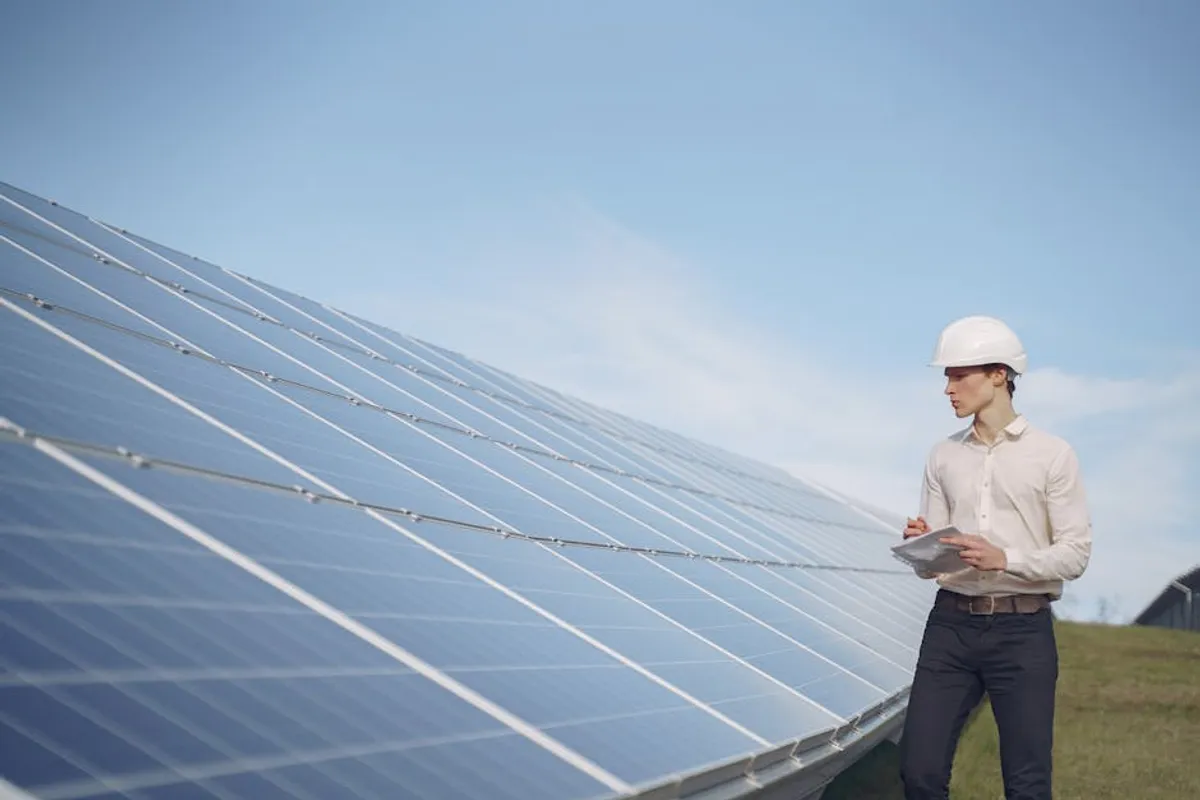
Install rooftop or ground-mounted solar panels to generate electricity on-site. The feasibility depends on roof space, sun exposure, and local incentives. PV systems can offset a significant portion of electricity consumption, reducing utility bills and carbon footprint.
Solar Water Heating
Utilize solar thermal collectors to pre-heat water for domestic use or space heating. This can substantially reduce the energy required by conventional water heaters, particularly in climates with abundant sunshine.
Sustaining Efficiency Through Monitoring
Energy efficiency is not a one-time project but an ongoing process. Continuous monitoring and management are essential to maintain savings and identify new opportunities.
Building Management Systems (BMS)
Implement or optimize a BMS to centralize control and monitoring of HVAC, lighting, and other building systems. A BMS provides real-time data on energy consumption, allows for precise scheduling, and can identify performance deviations.
Submetering and Performance Review
Install submeters for major energy-consuming systems or tenant spaces to pinpoint specific areas of high usage. Regularly review energy performance data against benchmarks and set improvement targets. This allows for data-driven adjustments to operational strategies.
Implementing Your Energy Efficiency Plan
Developing an energy efficiency plan for a commercial building involves a systematic approach, from initial assessment to ongoing management. Prioritize actions based on potential energy savings, return on investment, and operational impact. Start with low-cost, high-impact measures, then progress to larger capital projects. Consistent monitoring and adjustment are key to realizing and sustaining the full commercial benefits of a truly energy-efficient building.
Frequently Asked Questions
What is the typical return on investment (ROI) for commercial energy efficiency upgrades?
ROI varies widely depending on the specific upgrade, building type, and energy costs. Many lighting and controls upgrades can see paybacks within 1-3 years, while larger HVAC modernizations or building envelope improvements might range from 5-10 years or more. A professional energy audit will provide project-specific ROI calculations.
How often should a commercial building undergo an energy audit?
A comprehensive Level II or III energy audit is recommended every 5-10 years, or whenever there are significant changes to building occupancy, equipment, or operational patterns. A simpler Level I assessment or utility bill analysis should be performed annually to detect emerging issues.
Are there government incentives or rebates available for commercial energy efficiency projects?
Yes, many federal, state, and local governments, as well as utility companies, offer incentives, rebates, tax credits, or low-interest loans for commercial energy efficiency upgrades. These programs can significantly reduce the upfront cost of projects and improve their financial viability. Research programs specific to your location and industry.