
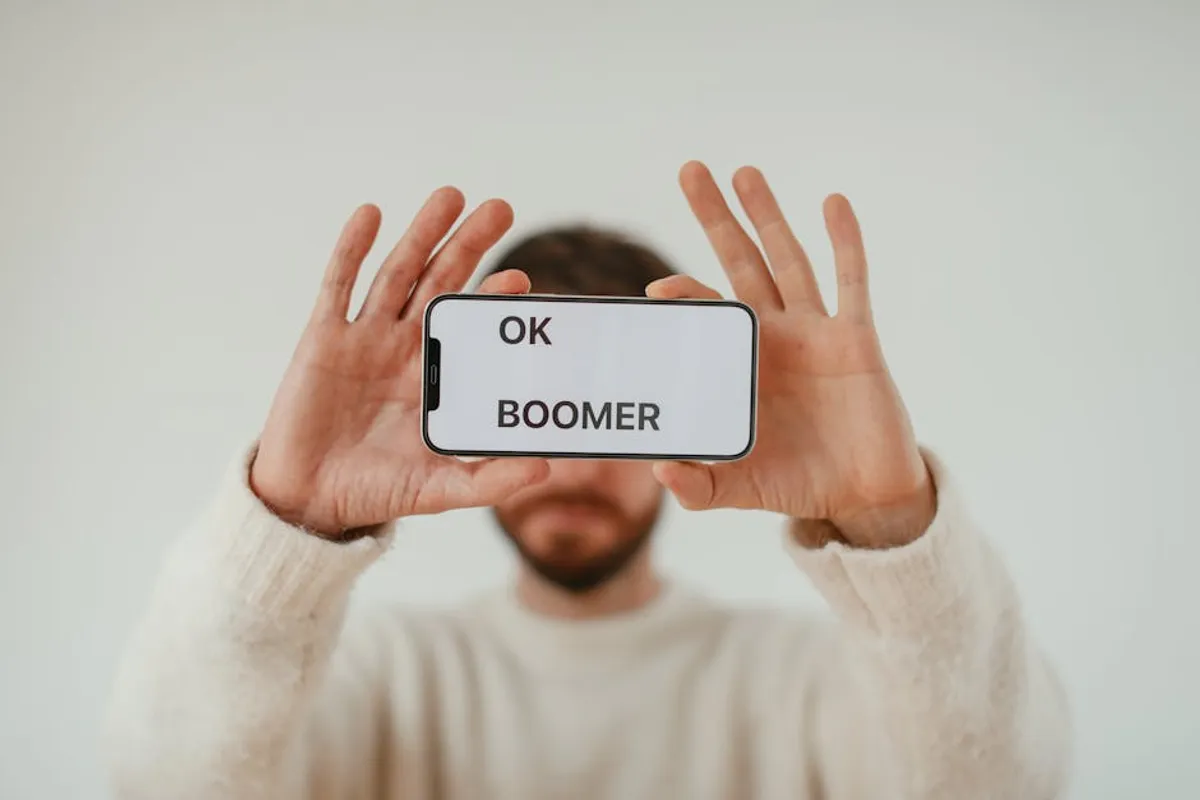
Understanding internet memes goes beyond recognizing a viral image; it involves deciphering a complex, rapidly evolving form of digital communication that often reflects broader societal sentiments, humor, and cultural shifts. For marketers, content creators, and brand strategists, this isn't merely about staying current with online trends. It's about grasping the underlying cultural lexicon to connect authentically with target audiences, craft resonant messages, and avoid potential misinterpretations that can damage brand perception. This guide explores the structure, meaning, and strategic implications of prominent memes, offering a framework for navigating this dynamic aspect of internet culture with precision and purpose.
The Anatomy of a Meme: How Virality Spreads
Memes are units of culture, ideas, or behaviors transmitted from one mind to another. On the internet, this transmission is accelerated and amplified through digital channels, primarily social media platforms and image boards. A meme's virality is not accidental; it stems from a combination of relatability, adaptability, and often, an element of surprise or absurdity. They function as inside jokes on a global scale, creating a sense of community among those who understand their context.
Core Components of a Successful Meme
Successful memes typically share several characteristics that contribute to their widespread adoption and longevity:
- Relatability: The meme reflects a common experience, emotion, or observation that many people can identify with, fostering immediate engagement.
- Adaptability: Its core template can be easily modified or repurposed with new text, images, or contexts, allowing for endless variations and applications.
- Simplicity: The concept is often straightforward and quickly digestible, making it easy to understand and share without extensive explanation.
- Novelty: While often built on familiar tropes, a successful meme introduces a fresh perspective or an unexpected twist, capturing attention.
- Emotional Resonance: Whether it evokes humor, frustration, irony, or nostalgia, a strong emotional connection drives sharing and participation.
Decoding Iconic Memes: Origins and Evolution
To leverage memes effectively, one must understand their specific origins, the nuanced meanings they convey, and how those meanings have evolved. Misapplication can lead to content that feels out of touch or, worse, offensive.
Distracted Boyfriend: Relatability and Diversion
Origin: This stock photo, titled "Disloyal man with his girlfriend looking at another girl," was captured by photographer Antonio Guillem in 2015. It gained widespread meme status in 2017.
Meaning: The meme typically depicts a man (representing someone or something) looking away from his current commitment (his girlfriend) towards an appealing, often newer, alternative (the other woman). It's used to illustrate situations involving temptation, distraction, or a preference for one thing over another, often in a humorous, self-deprecating context. The core meaning revolves around a choice or a shift in focus.
Commercial Use Case: Brands use this to humorously highlight a superior product or service drawing attention away from an older, less desirable option. For example, "Old Software" (girlfriend) vs. "New Feature" (other woman), with the "User" as the distracted boyfriend. This works best for lighthearted comparisons or product launch announcements.
Drakeposting: Expressing Approval and Disapproval
Origin: Stemming from a still image taken from Drake's 2015 "Hotline Bling" music video, the meme features two panels: Drake recoiling in disapproval in the top panel and smiling in approval in the bottom panel.
Meaning: Drakeposting is a binary expression of preference. The top panel signifies rejection, dislike, or disagreement, while the bottom panel denotes acceptance, approval, or strong preference. Its simplicity makes it highly versatile for expressing opinions on virtually any two contrasting subjects.
Commercial Use Case: Ideal for illustrating clear "dos and don'ts" or "this vs. that" scenarios. A brand might use it to show a common problem (top panel) versus their solution (bottom panel), or to distinguish preferred customer behavior from undesirable actions. For instance, "Slow website load times" (top) vs. "Optimized mobile experience" (bottom).
Woman Yelling at a Cat: Unexpected Juxtaposition
Origin: This meme combines two unrelated images: a screenshot of Taylor Armstrong from "The Real Housewives of Beverly Hills" crying and pointing during an argument, and a photograph of a white cat named Smudge sitting at a dinner table looking confused and disgusted by a plate of vegetables.
Meaning: The humor derives from the absurd juxtaposition of intense human emotion directed at an indifferent, seemingly judgmental cat. It's used to represent situations where one party is overreacting or being overly dramatic about something trivial, while the other party remains unimpressed or confused. It often highlights a disconnect in perspective.
Commercial Use Case: This meme can be effective for self-deprecating humor or to playfully address common customer frustrations. For example, the woman could be "My Marketing Team Panicking," and the cat could be "The Data." It can also highlight the disparity between a brand's efforts and a customer's simple desire, often with a humorous twist.
Strategic Integration: Leveraging Memes in Digital Content
Incorporating memes into a digital strategy requires careful consideration of audience, brand voice, and the ephemeral nature of internet trends. The goal is to appear authentic and culturally fluent, not opportunistic or out of touch.
Pro Tip: Before deploying any meme, verify its current relevance and ensure its meaning aligns precisely with your intended message. Memes can rapidly shift in connotation, and using an outdated or contextually inappropriate meme can undermine brand credibility. Always research the meme's full history and common uses.
When considering meme integration, evaluate these points:
- Audience Alignment: Does your target demographic understand and appreciate this specific meme? Meme literacy varies significantly across age groups and subcultures.
- Brand Voice Consistency: Does the meme's tone and underlying message align with your brand's established voice? A serious brand might use memes differently than a playful one, or not at all.
- Timeliness: Memes have a shelf life. Using a meme long past its peak can make content feel dated. Conversely, jumping on a meme too early before its meaning stabilizes can be risky.
- Authenticity: Memes should feel like a natural part of your content, not a forced attempt to be "hip." Organic integration is key to resonance.
- Legal and Ethical Considerations: Be mindful of copyright for original images or videos. While many memes are transformative, some original creators or rights holders may object. Avoid memes that are offensive, discriminatory, or have been co-opted by problematic groups.
Navigating Meme Culture: Authenticity and Risk
The fast-paced, often irreverent nature of meme culture presents both opportunities and pitfalls for brands. Authenticity is paramount. Audiences are quick to spot forced or inauthentic attempts at engagement. A brand that genuinely understands and participates in meme culture can build rapport and demonstrate cultural fluency. However, a misstep—such as using a meme incorrectly, endorsing a problematic meme, or appearing to exploit a trend without genuine understanding—can lead to significant backlash and reputational damage. Continuous monitoring of online sentiment and a deep understanding of subcultural nuances are essential for successful meme-based content strategies.
Applying Meme Literacy to Your Digital Strategy
Mastering meme culture is not about memorizing every viral image, but about developing a keen sense of internet literacy. For SEO professionals, this means understanding how cultural touchpoints drive search behavior and content consumption. For marketers, it's about crafting messages that resonate with the subtle, often unspoken language of online communities. Integrating memes, when done thoughtfully and strategically, can humanize a brand, increase shareability, and foster a deeper connection with an audience that values wit, relevance, and cultural understanding. The key is to approach meme usage not as a quick trend-hop, but as a nuanced form of communication demanding respect for its context and community.
Frequently Asked Questions
What is the primary function of an internet meme?
Internet memes primarily function as a form of cultural shorthand, conveying complex ideas, emotions, or jokes through easily digestible and shareable media. They foster community and shared understanding among online groups.
How can brands use memes without appearing inauthentic?
Brands maintain authenticity by ensuring meme usage aligns with their established voice, resonates with their specific audience, and is timely. Researching the meme's full context and avoiding forced integration are critical steps.
What are the risks of using memes in marketing?
Risks include misinterpreting a meme's meaning, using an outdated meme, offending audiences with inappropriate content, or appearing opportunistic. These missteps can damage brand reputation and alienate target demographics.
How do memes contribute to internet culture?
Memes are a fundamental element of internet culture, acting as a dynamic form of communication that reflects, shapes, and often satirizes current events, social norms, and shared experiences. They contribute to a collective online identity and humor.