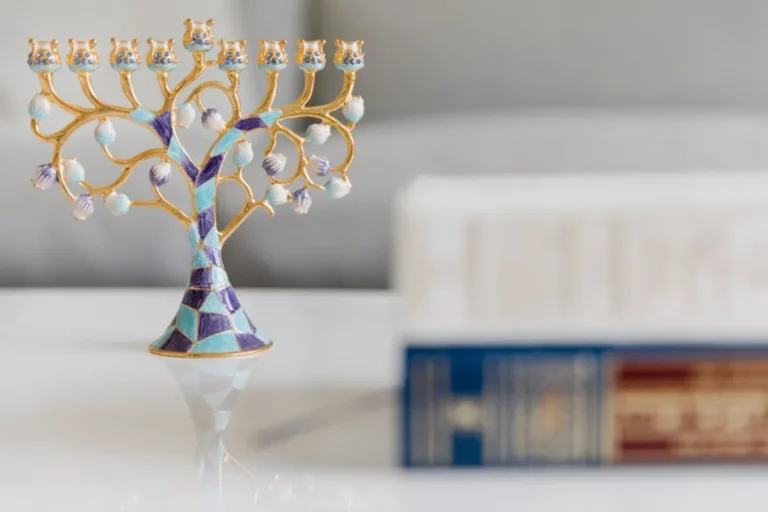
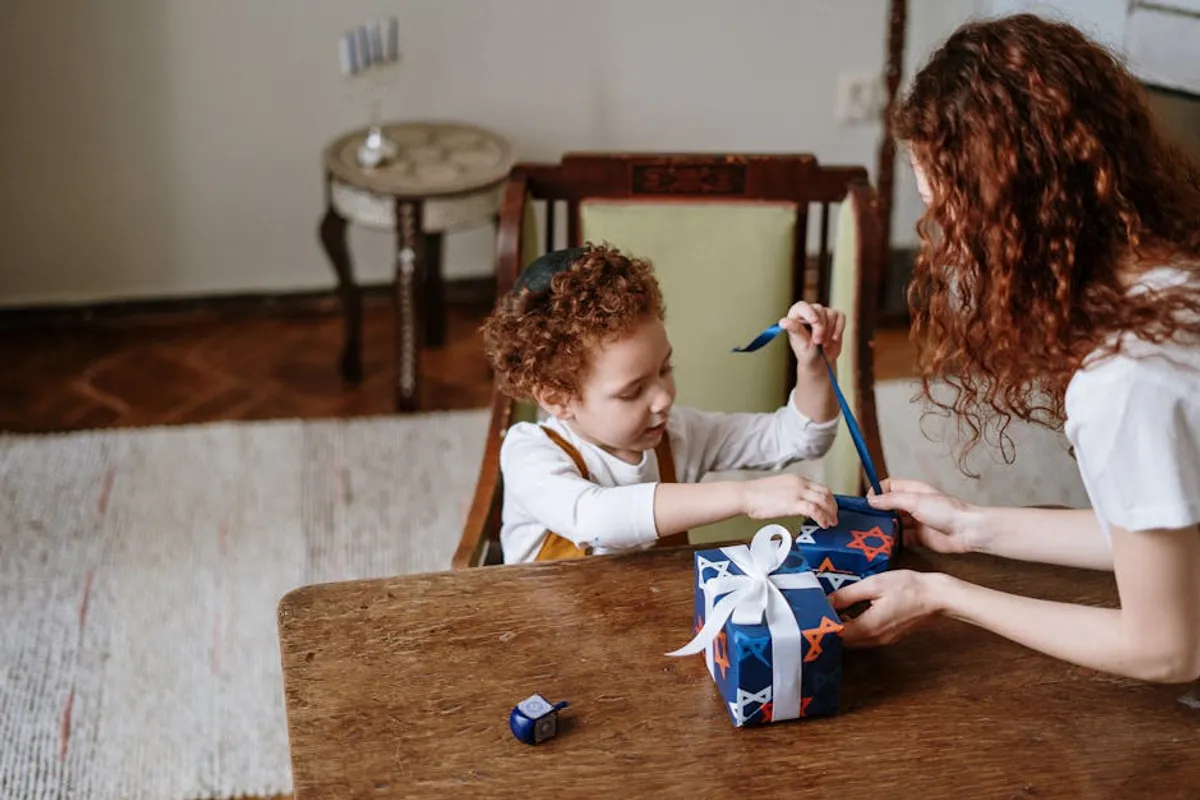
Navigating Hanukkah gift-giving across eight nights requires a structured approach to ensure each present resonates with the recipient and aligns with the holiday's spirit. This guide offers a framework for selecting thoughtful gifts, emphasizing practical considerations like recipient age, personal interests, budget allocation, and the timing of exchanges. The goal is to move beyond generic selections, empowering givers to make informed choices that enhance the celebration for everyone involved.
Understanding the Eight Nights of Giving
Hanukkah is distinguished by its eight-night duration, presenting a unique challenge and opportunity for gift-givers. Unlike single-day celebrations, this extended period allows for a progression of gifts, ranging from smaller tokens to more significant items. A common strategy involves varying the value and type of gift each night, building anticipation and maintaining engagement throughout the holiday.
- Night 1: Often a symbolic start, perhaps a small toy, book, or a traditional gelt (chocolate coins).
- Mid-Week Nights (2-7): These nights can feature practical items, craft supplies, educational games, or contributions to a larger, shared gift.
- Final Night (8): Frequently reserved for the most significant or desired gift, serving as a memorable conclusion to the celebration.
This staggered approach prevents gift fatigue and allows for creative thematic planning. Consider assigning a theme to each night—e.g., a "book night," a "craft night," or a "game night"—to guide selections and add an extra layer of thoughtfulness.
Tailoring Gifts to Specific Recipients
Effective gift-giving hinges on understanding the individual receiving the present. Generic gifts often miss the mark; personalized choices demonstrate genuine consideration and strengthen connections.
For Children: Engaging and Educational Options
Children's gifts should balance entertainment with developmental benefits. Focus on items that encourage creativity, problem-solving, or physical activity. Avoid overwhelming young children with too many complex items at once; simpler, open-ended toys often provide more sustained engagement.
Best for: Fostering imagination and skill development.
Pro Tip: For younger children, consider gifts that can be used immediately or require minimal setup. This reduces frustration and allows for instant enjoyment, making the gifting moment more impactful. For older children, gifts that align with their current hobbies or introduce them to new interests can be particularly well-received.
For Adults: Personal Touches and Practicality
Adult gifts benefit from a focus on personal interests, practical utility, or shared experiences. Consider their hobbies, daily routines, or aspirations. Items that enhance their comfort, support a passion, or offer a moment of relaxation are often appreciated. Experiences, such as tickets to an event or a gift certificate for a class, can create lasting memories.
Best for: Enhancing daily life or providing enriching experiences.
For the Host: Thoughtful Gestures
When attending Hanukkah gatherings, a gift for the host is a gesture of appreciation. These gifts do not need to be extravagant but should convey gratitude. Consider items that contribute to the festive atmosphere or offer a moment of post-party relaxation. Examples include specialty foods, a unique serving dish, or a high-quality candle set.
Best for: Expressing thanks and contributing to hospitality.
Budgeting and Presentation Considerations
Establishing a clear budget before shopping is crucial for managing expenses across eight nights. This allows for strategic allocation, ensuring that each gift feels appropriate without financial strain. Consider setting a total budget for all eight nights and then distributing it, rather than setting a fixed amount per night.
Presentation also plays a significant role in the gift-giving experience. Thoughtful wrapping, a handwritten card, or a small decorative touch elevates even a modest gift. For multi-night gifting, consider unique wrapping for each night to add to the excitement.
Beyond Material Gifts: Experiences and Contributions
While material gifts are traditional, consider incorporating non-material presents that offer unique value. These can include:
- Shared Experiences: Tickets to a concert, a museum membership, or a planned outing that creates lasting memories.
- Skill-Based Gifts: Offering to teach a skill, such as cooking a specific dish, playing an instrument, or basic coding.
- Charitable Contributions: Making a donation in the recipient's name to a cause they care about. This aligns with the spirit of giving and tikkun olam (repairing the world).
- Time and Service: Offering to help with a project, run errands, or provide childcare. This is particularly valuable for busy adults.
These alternatives often carry deeper meaning and can be more impactful than physical items, especially for recipients who prioritize experiences or causes over possessions.
Navigating Online and Local Retailers
Both online and local retailers offer distinct advantages for Hanukkah gift shopping. Online platforms provide convenience, wider selection, and often competitive pricing, especially for niche items. However, they require careful planning for shipping times and potential returns. Local shops, including independent boutiques and craft markets, offer immediate gratification, the opportunity to inspect items in person, and often unique, handcrafted goods. Supporting local businesses also contributes to community vitality.
Consider: Combining both approaches—using online for specific, hard-to-find items and local shops for last-minute purchases or unique finds that benefit from in-person selection.
Strategizing Your Hanukkah Gift Selection
Successful Hanukkah gift-giving is less about the monetary value of each item and more about the thought, personalization, and joy it brings. By planning across the eight nights, tailoring choices to individual recipients, and considering both material and experiential options, you can create a memorable and meaningful celebration. Focus on consistency in thoughtfulness rather than uniformity in price, ensuring each gift contributes to the festive spirit.
Frequently Asked Questions About Hanukkah Gifts
What is the traditional gift for Hanukkah?
Traditionally, Hanukkah gifts often included gelt (chocolate coins or real money) and small tokens, particularly for children. The emphasis has historically been more on the holiday's spiritual meaning and family time rather than extensive material gift exchange.
Do you give a gift every night of Hanukkah?
While some families choose to give a gift every night, it's not a strict requirement. Many families opt for a combination of small gifts, gelt, and one or two larger presents spread across the eight nights, or focus on gifts for specific nights like the first or last.
How much should I spend on Hanukkah gifts?
There is no set amount. Budgeting for Hanukkah gifts is highly personal and depends on your financial situation, the number of recipients, and family traditions. The value of a gift is often less important than the thought and relevance it holds for the recipient.
Can I give non-traditional gifts for Hanukkah?
Absolutely. While traditional gifts have their place, modern Hanukkah celebrations often incorporate a wide range of gifts, including experiences, charitable donations, practical items, and personalized presents that reflect the recipient's unique interests and needs.