Navigating Hanukkah gift selections across eight nights requires a considered approach, moving beyond simple gift exchanges to thoughtful gestures that resonate with recipients. This guide compares various gift categories, focusing on their inherent value proposition, suitability for different demographics, and commercial implications for those seeking to make informed choices. Understanding the nuances of each option allows for strategic gifting, balancing tradition with personal preferences and practical utility. This guide offers practical tips for strategic gifting and informed choices across various Hanukkah traditions.
Culinary Delights and Gourmet Treats
Food-based gifts offer immediate enjoyment and are often shared, fostering a communal spirit central to Hanukkah celebrations. This category ranges from traditional holiday sweets to sophisticated gourmet baskets, appealing to a wide spectrum of tastes and dietary considerations.
- Sufganiyot (Jelly Doughnuts): A classic Hanukkah staple, these are best when fresh. Consider local bakeries or specialty shops known for their quality. Their appeal lies in tradition and immediate consumption, making them ideal for hosts or family gatherings on a specific night.
- Gourmet Chocolate Assortments: High-quality chocolates, especially those with unique flavor profiles or artisanal origins, present a refined option. They offer a longer shelf life than fresh pastries and can be tailored to individual preferences, such as dark chocolate for connoisseurs or nut-free options for allergies.
- Specialty Coffee or Tea Blends: For the beverage enthusiast, a selection of unique coffee beans or exotic tea blends provides a luxurious daily ritual. This gift demonstrates attention to detail and an understanding of the recipient's personal habits.
- Kosher Wine or Spirits: A bottle of fine kosher wine or a premium spirit can elevate a holiday meal or serve as a standalone gift for adults. Focus on reputable vineyards or distilleries that offer certified kosher products.
Best for: Hosts, food enthusiasts, families, or as a communal offering. They are generally well-received and consumed, reducing clutter.
Meaningful Judaica and Cultural Items
Gifts within this category carry significant cultural or religious weight, often becoming cherished heirlooms. These items connect recipients to their heritage and the deeper meaning of Hanukkah, making them particularly impactful for those who value tradition.
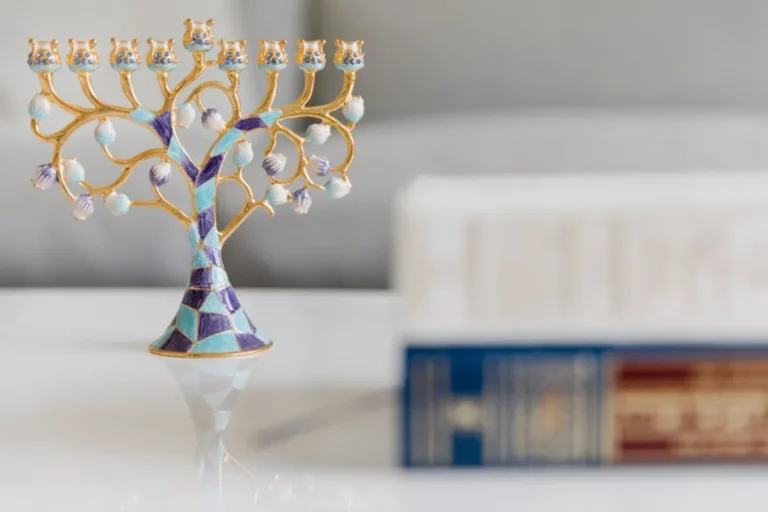
Options include finely crafted menorahs, dreidels, or artistic interpretations of Jewish symbols. When selecting Judaica, prioritize craftsmanship and material quality, as these items are intended for display and use over many years. Consider pieces made from sterling silver, hand-blown glass, or intricate ceramics. Educational books on Jewish history or culture also fall into this category, offering intellectual engagement.
Best for: Individuals with a strong connection to their heritage, those building a home, or as gifts for children to introduce them to traditions. These gifts carry sentimental value and often appreciate in personal significance over time.
Engaging Toys and Games for All Ages
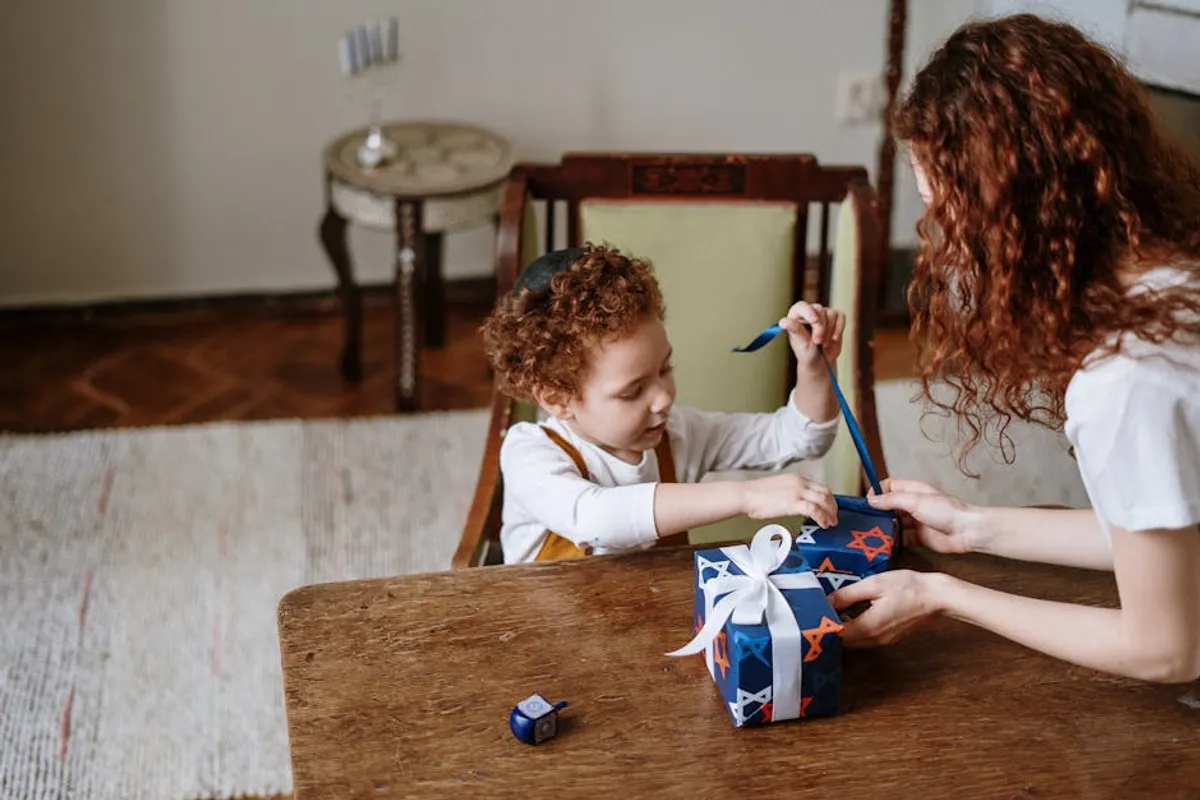
Hanukkah, particularly for children, is often associated with receiving gifts over eight nights. This category encompasses items that promote play, learning, and family interaction.
Traditional Hanukkah-themed toys like high-quality wooden dreidels or gelt (chocolate coins) are perennial favorites. Beyond these, consider educational toys that encourage problem-solving or creativity, such as building blocks, science kits, or art supplies. Board games or puzzles offer opportunities for family bonding and can be enjoyed by multiple generations. For older children and teens, age-appropriate books, strategy games, or craft kits provide engaging activities.
Pro Tip: When selecting toys, consider the recipient's age range and developmental stage. Opt for items with durable construction and clear safety certifications to ensure longevity and safe play. Avoid gifts that require excessive assembly or specialized accessories not included, as this can detract from immediate enjoyment.
Best for: Children, families, or anyone who appreciates playful engagement. These gifts provide entertainment and can contribute to skill development.
Practical Home Goods and Decor
Gifts for the home offer utility and can enhance the living environment. This category spans functional items to decorative pieces that contribute to a festive atmosphere or everyday comfort.
Examples include elegant serving dishes for holiday meals, high-quality kitchen linens, or artisanal candles (beyond the Hanukkah menorah candles). Decorative items like unique wall art, handcrafted vases, or throws can add warmth and personality to a space. Consider items that align with the recipient's existing home aesthetic or offer a subtle nod to the holiday without being overly thematic, ensuring year-round usability.
Best for: New homeowners, individuals who enjoy entertaining, or those who appreciate functional aesthetics. These gifts integrate into daily life and offer lasting value.
Experience-Based Gifting
Moving beyond tangible items, experience gifts offer memories and personal enrichment. These can be particularly impactful as they create opportunities for connection and personal growth.
Options include tickets to a concert, theater performance, or sporting event. A membership to a local museum, botanical garden, or zoo provides ongoing enjoyment. For those who appreciate learning, consider a class or workshop, such as cooking, pottery, or photography. Spa days, restaurant gift certificates, or weekend getaways also fall into this category, offering relaxation or adventure. The value here lies in the anticipation and the shared memory, rather than a physical object.
Best for: Individuals who value experiences over material possessions, those seeking new hobbies, or as a gift for couples to enjoy together.
Personalized and Handcrafted Options
Personalized gifts demonstrate a high level of thoughtfulness and effort, making them uniquely special. Handcrafted items, whether purchased or made, carry an artisanal touch.
This category includes items engraved with initials or a significant date, custom-made jewelry, or photo albums filled with cherished memories. Hand-knitted scarves, custom artwork, or bespoke stationery are other examples. The key differentiator for these gifts is their uniqueness and the personal connection they forge. They often require more lead time for creation, so planning ahead is crucial.
Best for: Close family members, significant others, or anyone for whom a deeply personal connection is desired. These gifts are often treasured for their sentimentality and individuality.
Strategic Gift Planning for Hanukkah
Selecting the ideal Hanukkah gift involves more than just picking an item; it requires understanding the recipient, the context of the holiday, and the desired impact. Consider a balanced approach across the eight nights, perhaps alternating between smaller, symbolic gifts and one or two more significant items. Focus on quality over quantity, and prioritize gifts that align with the recipient's interests, needs, or cultural values. A well-chosen gift, regardless of its monetary value, reflects thoughtfulness and strengthens connections during this festive season.
Frequently Asked Questions
What is traditional to give for Hanukkah?
Traditionally, gelt (chocolate coins or real money) and dreidels are common Hanukkah gifts, especially for children. However, modern Hanukkah gifting has expanded to include a wide range of items, from Judaica and toys to practical household goods and experiences.
Should gifts be given every night of Hanukkah?
While some families exchange gifts every night, others opt for one or two larger gifts, or a combination of small tokens and a significant present. There is no strict rule, and the practice varies widely by family tradition and preference.
How can I make a Hanukkah gift more meaningful?
To make a gift more meaningful, consider personalization, choosing an item that reflects the recipient's specific interests or needs, or opting for an experience that creates lasting memories. Including a handwritten note explaining the thought behind the gift also adds significant value.
Are there any gifts to avoid for Hanukkah?
Avoid gifts that are generic, impractical, or do not align with the recipient's values or lifestyle. It's also generally advisable to steer clear of items that might be perceived as culturally insensitive or inappropriate for the holiday's context.