
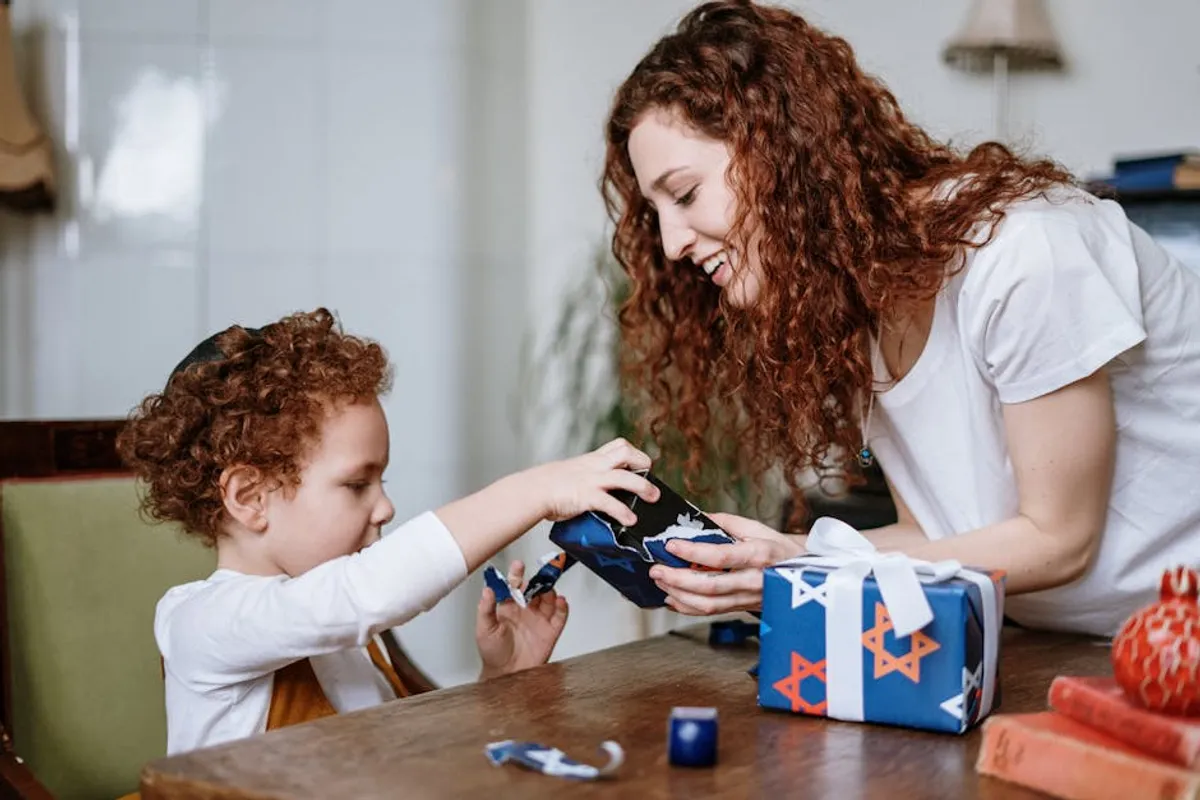
Selecting gifts for Hanukkah involves more than simply choosing an item; it requires thoughtful consideration to ensure the present resonates with the recipient and aligns with the spirit of the holiday. Many well-intentioned gift-givers inadvertently make common errors that diminish the impact of their presents, leading to less meaningful exchanges or even wasted effort. Understanding these pitfalls upfront can transform the gifting experience, moving it from a perfunctory obligation to a cherished tradition.
Overlooking Recipient Preferences and Needs
The most frequent gifting misstep stems from a lack of focus on the individual receiving the gift. A present, however expensive or popular, fails to connect if it doesn't align with the recipient's personal tastes, hobbies, or current life stage. Generic choices often signal a lack of genuine thought, reducing the gift to a mere transaction rather than an expression of care.
The Generic Gift Trap
Relying on universally "safe" gifts like scented candles, mass-produced chocolates, or novelty items without specific relevance can often fall flat. While these items are generally inoffensive, they rarely create a memorable impression or convey personal understanding. The commercial impact here is that such gifts are often quickly forgotten or re-gifted, failing to establish a lasting positive association. Instead, consider items that reflect a specific interest: a rare edition for a book lover, specialized tools for a hobbyist, or a unique piece of art for an enthusiast. The key is demonstrating you've paid attention to their individual world.
Ignoring Age and Stage Appropriateness
A gift suitable for a young child will likely be inappropriate for a teenager, just as a present for a new homeowner differs from one for an empty-nester. Failing to account for the recipient's age, developmental stage, or current life circumstances (e.g., recent move, new job, college student) can render a gift impractical or irrelevant. For instance, giving a large, decorative item to someone downsizing their living space, or intricate craft supplies to a busy professional with no free time, demonstrates a disconnect. Prioritize gifts that genuinely support or enhance their current life phase, whether it's educational toys for a toddler, practical gadgets for a student, or comfort items for an elderly relative.
Misunderstanding Hanukkah's Duration and Significance
Hanukkah is an eight-night celebration, a detail often overlooked in the rush of holiday shopping. This extended period offers unique gifting opportunities that differ significantly from single-day holidays. Misinterpreting this duration or the underlying spiritual and cultural significance can lead to less impactful gift-giving strategies.
The "One Gift Only" Fallacy
While some families opt for one significant gift, many traditions involve smaller, more modest gifts distributed over several nights, often accompanied by gelt (chocolate coins or money). Expecting to fulfill all gifting with a single, large present for each person can miss the opportunity for sustained excitement and daily recognition. Conversely, overspending on eight expensive gifts can strain budgets unnecessarily. A balanced approach might involve a mix of small tokens, practical items, experiences, and perhaps one larger gift, spread strategically across the eight nights. This approach extends the joy and reinforces the holiday's duration.
Neglecting the Spirit of Giving
Hanukkah commemorates a miracle of light and dedication, often emphasizing themes of family, community, and perseverance. Gifts that reflect these values, such as books on Jewish history, items for the home that encourage family gatherings, or donations made in the recipient's name to a relevant charity, can hold deeper meaning than purely materialistic items. Overlooking this cultural context reduces the holiday to a generic gift-exchange event, potentially diminishing its unique resonance for those who observe it.
Budgeting and Presentation Blunders
Even with thoughtful gift selection, poor budgeting and last-minute presentation can undermine the effort. These practical elements are crucial for ensuring the gift is received well and reflects the care put into its selection.
Overspending or Underspending Without Thought
An appropriate gift budget is subjective and varies widely by family and individual. The mistake isn't necessarily the amount spent, but the lack of intentionality behind it. Overspending can create awkwardness or financial strain, while underspending might be perceived as dismissive if it doesn't align with established family norms or the recipient's expectations. Establish a realistic budget per person or per night, and stick to it. Focus on value and thoughtfulness rather than just price. A handmade item or a carefully chosen experience can often convey more value than an expensive, impersonal purchase.
Last-Minute Presentation Pitfalls
A truly thoughtful gift deserves a presentation that matches the effort. Rushing to wrap gifts moments before they are exchanged, using mismatched or damaged packaging, or forgetting a card can detract from the overall experience. Presentation is part of the gift itself. Take time to wrap gifts neatly, include a handwritten card expressing your sentiments, and ensure all components (batteries, accessories, instructions) are included. A well-presented gift elevates its perceived value and shows respect for the recipient.
Practical Considerations Often Missed
Beyond the emotional and cultural aspects, practicalities frequently trip up gift-givers, leading to inconvenience or disappointment for the recipient.
Gifting Perishables Without Planning
Food items, flowers, or other perishables can be wonderful gifts, but they require careful timing and consideration of the recipient's schedule. A gourmet food basket delivered when the recipient is away for the holiday, or a delicate plant left on a doorstep in freezing weather, results in wasted effort and product. Coordinate delivery times, confirm availability, and consider the shelf life of perishable items. For food gifts, ensure they align with any dietary restrictions or preferences the recipient may have.
Overlooking Return Policies and Gift Receipts
Even the most thoughtful gift might not be perfect. Sizes can be wrong, duplicates can occur, or preferences can change. Failing to include a gift receipt, or being unaware of a store's return policy, places an unnecessary burden on the recipient. Always retain receipts and, where possible, include a gift receipt discreetly with the present. This simple act provides the recipient with flexibility and demonstrates consideration for their potential needs post-gifting.
Pro Tip: Prioritize experiences over material possessions when possible. Tickets to a show, a cooking class, or a membership to a local museum often create more lasting memories and less clutter than another physical item. This approach shifts the focus from accumulation to enrichment, aligning with the spirit of shared joy and personal growth.
Actionable Gifting Strategies for Hanukkah
To navigate Hanukkah gifting successfully and avoid common mistakes, adopt a proactive and recipient-focused approach:
- Start Early: Begin brainstorming and shopping well in advance to avoid rushed, generic purchases and secure preferred items.
- Personalize: Tailor gifts to individual interests, hobbies, and needs. Research or subtly inquire about what the recipient genuinely desires or could use.
- Consider the Eight Nights: Plan a varied approach, perhaps combining smaller, daily tokens with one or two more significant gifts to extend the holiday's joy.
- Focus on Presentation: Allocate time for thoughtful wrapping, handwritten cards, and ensuring all gift components are ready.
- Include Gift Receipts: Always provide a gift receipt to allow for easy exchanges or returns, demonstrating practical consideration.
- Embrace Experiences: Explore non-material gifts like event tickets, classes, or subscriptions that offer lasting value and memories.
- Think Culturally: Incorporate elements that resonate with the Hanukkah narrative or Jewish culture, if appropriate for the recipient and your relationship.
Frequently Asked Questions About Hanukkah Gifting
Q: Is it customary to give a gift every night of Hanukkah?
A: While some families exchange gifts every night, it's not a universal requirement. Many opt for a mix of small tokens, gelt (money or chocolate coins), and perhaps one or two larger gifts throughout the eight days, or a single significant gift. The practice varies by family tradition and personal preference.
Q: What is "Hanukkah gelt," and should I give it?
A: Hanukkah gelt refers to money, often chocolate coins wrapped in gold foil, given to children during Hanukkah. It symbolizes the coins minted by the Maccabees and is a traditional part of the holiday, encouraging charity and financial literacy. Giving gelt is a common and appreciated tradition, especially for children.
Q: How can I make a Hanukkah gift feel special without spending a lot of money?
A: Focus on personalization and thoughtfulness. Handmade gifts, a heartfelt letter, a framed photo, or an offer of your time and skills (e.g., babysitting, helping with a project) can be deeply meaningful. Experiences like a picnic or a movie night planned specifically for the recipient also create lasting memories without high costs.
Q: Are there any types of gifts to avoid for Hanukkah?
A: Avoid gifts that are generic, impersonal, or don't align with the recipient's values or lifestyle. Also, be mindful of religious sensitivities; ensure gifts are appropriate and respectful of Jewish customs if the recipient is observant. Overly extravagant gifts can sometimes cause discomfort, so match the gift to the relationship and established family norms. Consider these specific gift ideas to ensure your present is both thoughtful and well-received by your loved ones.