Selecting gifts for Hanukkah involves more than just a purchase; it's an opportunity to acknowledge personal connections and reflect the spirit of the Festival of Lights. Unlike single-day celebrations, Hanukkah spans eight nights, presenting a unique challenge and opportunity for thoughtful gift-giving. The objective is to move beyond perfunctory exchanges and instead curate selections that resonate with recipients, honor tradition, or introduce new, meaningful experiences. This approach requires understanding both the practicalities of multi-night gifting and the deeper cultural context, ensuring each present contributes to the festive atmosphere rather than becoming another transactional item.
Understanding Hanukkah Gift-Giving Dynamics
Recipient-Centric Selection
Effective Hanukkah gifting begins with a deep understanding of the individual. Generic gifts, while convenient, often miss the mark. Instead, consider the recipient's current life stage, hobbies, and recent conversations. For children, age-appropriate toys, books, or craft kits that align with their developmental interests are more impactful than a random item. For adults, a gift tied to a specific passion—be it a specialized cooking utensil for a home chef, a unique plant for a gardening enthusiast, or a subscription service for a reader—demonstrates genuine consideration. This personalization elevates the gift from a mere object to a recognized gesture of appreciation.
Balancing Tradition and Modernity
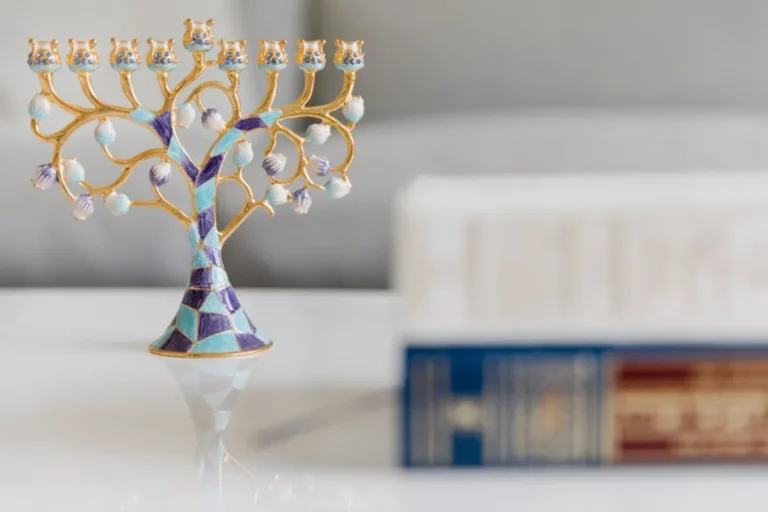
Hanukkah traditions often center around dreidels, menorahs, and gelt. While these are foundational, contemporary gifting allows for broader interpretation. Incorporating traditional elements can be done subtly; for instance, a modern menorah design, a beautifully illustrated book on Jewish history, or artisanal chocolate gelt. Simultaneously, there's ample room for gifts that are purely recreational or practical, reflecting modern lifestyles. The key is to avoid feeling constrained by historical precedents and instead integrate them thoughtfully, ensuring the gift feels both celebratory and relevant to the recipient's current life.
Pro Tip: When planning for multiple nights, consider a thematic approach rather than eight disparate gifts. For example, one night could be dedicated to educational gifts, another to experiences, and a third to items for the home. This creates a cohesive gifting narrative and can simplify the selection process.
Practical Considerations for Gift Selection
Budgeting and Value
The eight-night structure of Hanukkah can lead to budget strain if not approached strategically. Rather than aiming for eight expensive gifts, consider a mix of higher-value items for one or two nights, complemented by smaller, more symbolic gifts for the others. The perceived value of a gift isn't solely monetary; a handmade item, a personalized note, or a shared experience can carry significant emotional weight. Focus on thoughtful allocation of resources, prioritizing impact over sheer quantity or cost per item.
The Power of Presentation and Personalization
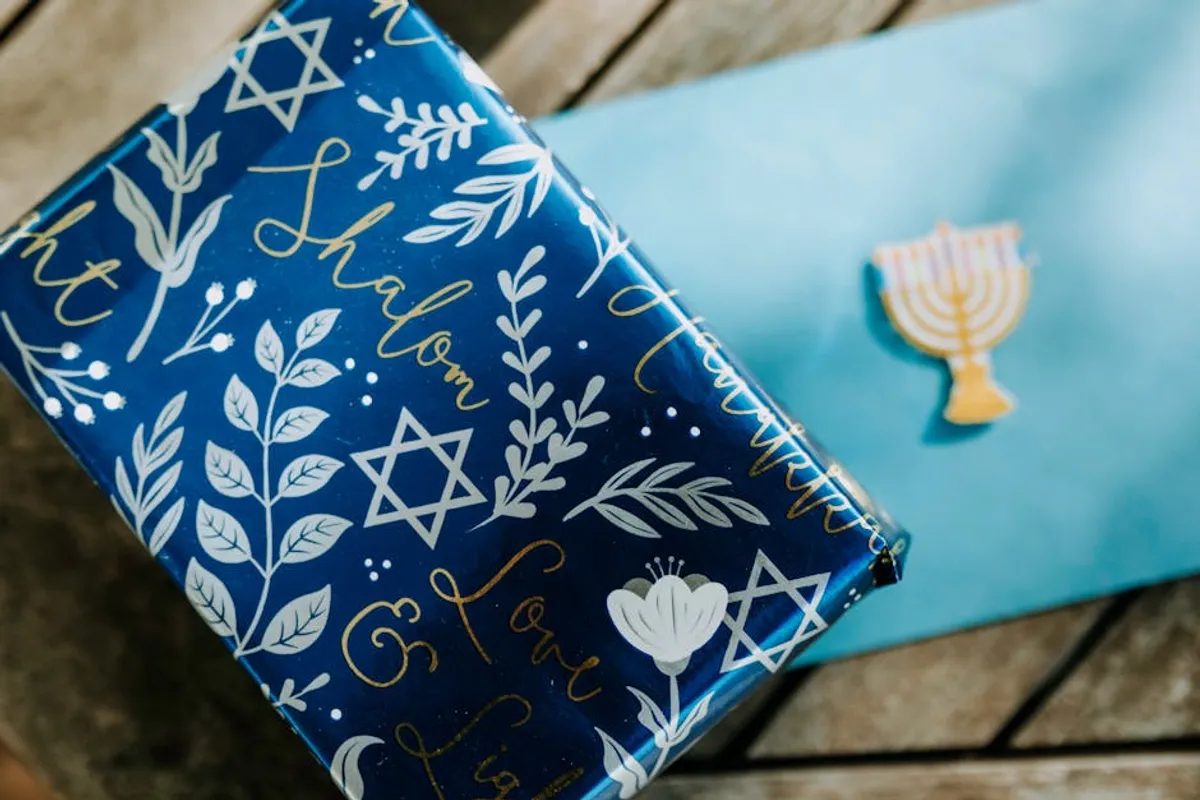
The way a gift is presented significantly enhances its reception. Thoughtful wrapping, a handwritten card, or even a small, related accessory can transform a simple item into a memorable one. Personalization goes beyond engraving; it includes selecting a gift that aligns with an inside joke, a shared memory, or a known future need. This attention to detail communicates care and effort, making the gift feel more bespoke and less like an off-the-shelf purchase.
Themed Gift Categories
Educational and Cultural Gifts
These gifts foster learning and connection to heritage. They are particularly suitable for children and young adults, but can also appeal to adults interested in expanding their knowledge or engaging with cultural arts.
- Books on Jewish history, folklore, or contemporary Jewish authors.
- Subscription to a Jewish cultural magazine or online learning platform.
- Puzzles or games with Hanukkah or Jewish themes.
- Tickets to a cultural event, such as a Jewish film festival or klezmer concert.
- Art supplies for creating Hanukkah-themed crafts.
Experience-Based Gifting
Experiences often create lasting memories and can be particularly impactful. These gifts avoid clutter and focus on shared time or personal growth.
- Cooking class focusing on traditional Hanukkah foods or other cuisines.
- Voucher for a local attraction, museum, or performance.
- Membership to a local community center or club.
- A "date night" package including dinner and entertainment.
- Tickets to a sporting event or concert.
Culinary and Home Gifts
These gifts enhance daily life and often promote gathering and comfort, aligning with the home-centric nature of Hanukkah.
- Gourmet food baskets featuring kosher delicacies, artisanal chocolates, or specialty coffee/tea.
- High-quality kitchen gadgets or bakeware for preparing festive meals.
- Unique serving dishes or menorahs that become cherished heirlooms.
- Cozy blankets, scented candles, or luxury bath products for relaxation.
- Subscription boxes for snacks, wine, or home goods.
Curating Thoughtful Hanukkah Celebrations
Approaching Hanukkah gift selection with intention transforms the process from a chore into a joyous expression of connection. Prioritize the recipient's individual preferences, integrate traditional elements with modern relevance, and manage your budget effectively across the eight nights. Remember that the lasting impression often comes from the thoughtfulness behind the gift, not its monetary value. By focusing on personalization, presentation, and the creation of meaningful experiences, each gift can contribute to a richer, more memorable Festival of Lights for everyone involved.
Frequently Asked Questions
What are some traditional Hanukkah gifts?
Traditional Hanukkah gifts often include gelt (chocolate coins or real money), dreidels, and small toys or books. These items reinforce the holiday's themes of miracles, light, and religious freedom, particularly for children.
Should I give a gift every night of Hanukkah?
While some families give gifts every night, it's not a universal requirement. Many choose to give one significant gift, or a mix of smaller gifts and gelt on different nights. The decision often depends on family tradition, budget, and the age of the recipients.
How much should I spend on Hanukkah gifts?
There is no set amount for Hanukkah gift spending. The focus should be on thoughtfulness and appropriateness for the recipient, rather than a specific monetary value. Many families opt for a balance of inexpensive, symbolic gifts and one or two more substantial presents over the eight nights.
Are handmade gifts appropriate for Hanukkah?
Absolutely. Handmade gifts are often deeply appreciated because they demonstrate significant personal effort and care. They can be particularly meaningful, especially when tailored to the recipient's tastes or interests, or when they incorporate Hanukkah themes.