The Hanukkah gift-giving season, spanning eight nights, presents a distinct commercial opportunity for businesses prepared to meet evolving consumer expectations. Unlike single-day holidays, Hanukkah encourages a sustained engagement with gift selection, often involving multiple smaller gifts or a series of themed presents. Understanding the prevailing trends is not just about identifying popular products; it’s about recognizing shifts in consumer values, purchasing behaviors, and the desire for more meaningful, personalized, or experience-driven items. Businesses that align their offerings and marketing strategies with these trends will capture greater market share and build stronger customer relationships.
Emerging Categories and Product Shifts
Personalized and Experiential Gifts
The demand for generic, off-the-shelf items is declining in favor of gifts that offer a unique touch or an memorable experience. Consumers are actively seeking ways to make their presents stand out, reflecting a deeper connection with the recipient. This trend extends beyond simple monogramming to custom-curated boxes, build-your-own kits, and services that allow for recipient input. Gifts that facilitate new skills, hobbies, or shared moments, such as online cooking classes, bespoke art commissions, or subscription boxes tailored to specific interests, are gaining traction. The commercial value lies in the higher perceived value and the emotional resonance these gifts carry, often leading to increased customer loyalty and word-of-mouth referrals.
Sustainable and Ethical Choices
Conscious consumerism continues to shape purchasing decisions, with a growing emphasis on sustainability and ethical sourcing. Hanukkah gift trends reflect this by favoring products made from recycled or upcycled materials, items with minimal or compostable packaging, and goods produced under fair labor conditions. Brands that transparently communicate their environmental and social impact resonate more strongly with buyers. This includes supporting local artisans, choosing products with certifications (e.g., Fair Trade, B Corp), or opting for durable, long-lasting items that reduce waste. Businesses should highlight these attributes in product descriptions and marketing materials to appeal to this segment.
Home-Centric and Comfort Items
The enduring focus on home life means gifts that enhance comfort, functionality, or enjoyment within the living space remain highly desirable. This trend encompasses a wide array of products, from gourmet food kits and artisanal kitchenware to high-quality loungewear and smart home devices designed for relaxation or efficiency. The commercial appeal lies in the broad applicability and the consistent utility these items provide. Think about gifts that transform everyday routines into small luxuries, such as premium coffee subscriptions, cozy throws, or engaging board games that foster family connection during the holiday nights. Retailers can curate collections around themes like "Cozy Hanukkah Nights" or "Home Entertaining Essentials."
Digital and Tech-Enhanced Offerings
While traditional tech gadgets are always present, the trend is moving towards digital products and services that integrate seamlessly into modern lifestyles or offer unique learning opportunities. This includes subscriptions to educational platforms, e-books, audiobooks, streaming services, or even virtual reality experiences. Gifts that leverage technology to simplify tasks, promote well-being, or provide entertainment without physical clutter are increasingly popular. For businesses, this means exploring partnerships with digital content creators or offering gift cards for online courses and software, catering to a demographic that values digital access and convenience.
Marketing and Presentation Trends
Storytelling and Brand Narratives
Modern consumers seek more than just products; they want to connect with the story behind the brand and the gift itself. For Hanukkah, this involves highlighting the cultural significance, the craftsmanship, or the unique journey of a product. Brands that share narratives about their origins, their commitment to community, or the personal touch involved in creation build deeper emotional connections. This approach transforms a simple transaction into a meaningful exchange, aligning with the holiday's emphasis on tradition and remembrance. Effective storytelling can be woven into product descriptions, social media campaigns, and even packaging design.
Bundling and Gifting Experiences
Curated gift bundles offer convenience and perceived value, making them an attractive option for Hanukkah. Instead of individual items, businesses can create themed sets that cater to specific interests or occasions, such as an "Eight Nights of Treats" gourmet food collection or a "Family Game Night" package. This strategy simplifies the decision-making process for buyers and encourages larger purchases. The focus is on providing a complete experience rather than just a product, often incorporating complementary items that enhance the overall gift. This also allows for creative pricing strategies and upselling opportunities.
Early Shopping and Extended Promotions
Consumer behavior indicates a shift towards earlier holiday shopping, driven by concerns over stock availability, shipping delays, and a desire to spread out expenses. Businesses are adapting by launching Hanukkah-specific promotions well in advance of the holiday's start. This extends the selling window and allows for staggered marketing efforts. Retailers can offer early bird discounts, exclusive pre-orders, or multi-night deal structures that encourage sustained engagement throughout the eight days. Communicating shipping deadlines clearly and offering flexible fulfillment options are critical components of this trend.
Visual Merchandising and Packaging
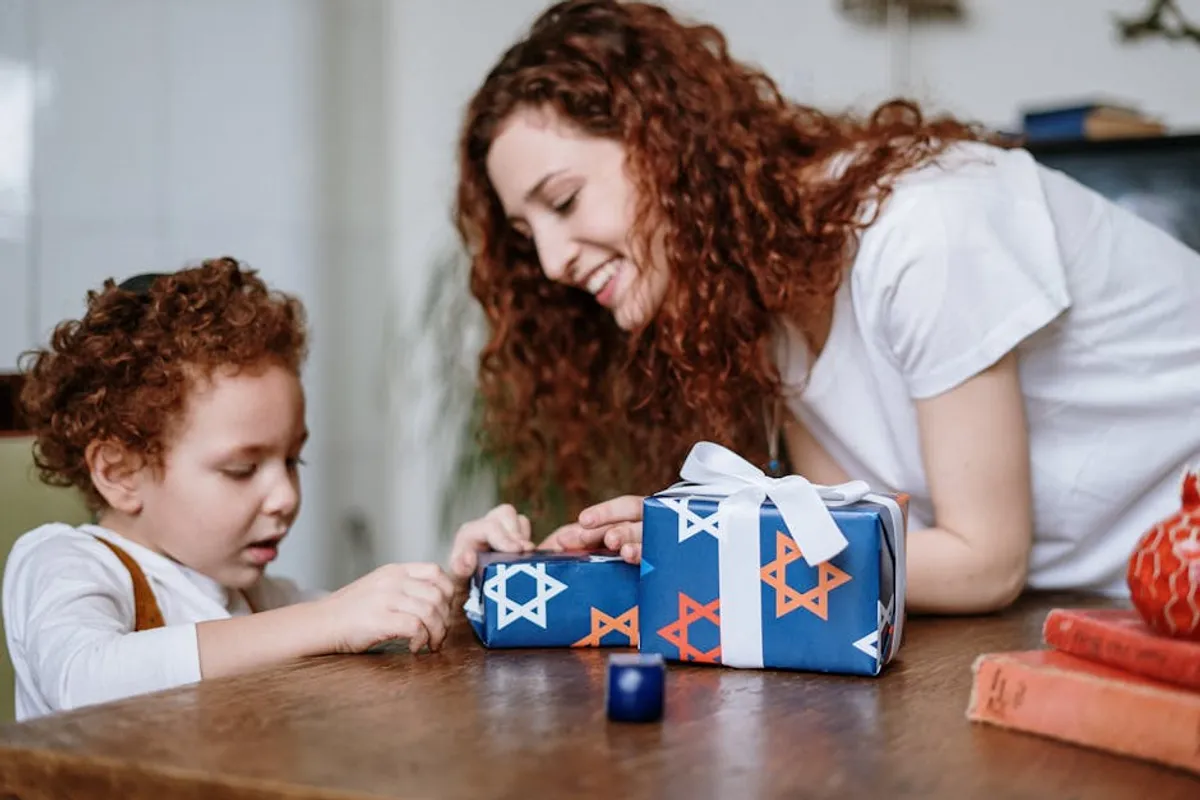
The presentation of a gift significantly contributes to its overall appeal. For Hanukkah, this means attractive, festive, and often reusable packaging. Consumers appreciate thoughtful details that enhance the unboxing experience, from elegant gift wrapping to custom inserts and personalized messages. Environmentally friendly packaging is also a key consideration, aligning with the sustainability trend. Businesses should invest in high-quality presentation that reflects the value of the gift and reinforces brand identity, making the act of giving and receiving more special.
Pro Tip: For Hanukkah, consider offering flexible fulfillment options like local pickup or expedited shipping, especially for last-minute shoppers. Promote these options clearly on product pages and at checkout to alleviate common holiday anxieties and capture sales that might otherwise be lost due to perceived delivery constraints.
Leveraging Trends for Commercial Success
To effectively capitalize on Hanukkah gift trends, businesses must adopt an agile and customer-centric approach. This involves continuous market research to identify emerging product categories and consumer preferences. Focus on developing or sourcing products that align with the desire for personalization, sustainability, and home-centric comfort. Craft compelling narratives around your offerings, emphasizing their unique value and the stories they tell. Implement strategic bundling and early promotion tactics to maximize sales opportunities across the holiday's duration. Finally, prioritize exceptional visual presentation and packaging to elevate the gifting experience. By integrating these insights, businesses can not only meet but exceed consumer expectations, driving significant commercial gains during the Hanukkah season.
Frequently Asked Questions
What are the main consumer shifts for Hanukkah gifts?
Consumers are increasingly prioritizing personalized or experiential gifts, sustainable and ethically sourced products, and items that enhance home comfort or offer digital convenience, moving away from generic purchases.
How can businesses incorporate personalization into their Hanukkah offerings?
Businesses can offer custom engraving, build-your-own gift kits, curated subscription boxes tailored to specific interests, or provide options for recipients to customize aspects of their gift.
When do consumers typically start shopping for Hanukkah gifts?
Many consumers begin their Hanukkah gift shopping earlier than in previous years, often several weeks in advance, to ensure product availability and avoid potential shipping delays, necessitating extended promotional periods.
What role does sustainability play in Hanukkah gift choices?
Sustainability is a significant factor, with consumers favoring gifts made from eco-friendly materials, featuring minimal or reusable packaging, and sourced from brands with transparent ethical practices.