Israeli ceramics has substantial contemporary tradition that combines specific Israeli context with broader contemporary ceramic practice. The work coming from Israeli ceramicists across recent decades is among the most interesting in contemporary international ceramics, though it doesn't always receive proportional international attention.
The specific voices of contemporary Israeli ceramicists warrant the kind of careful attention this site attempts to provide. The work is substantively excellent and reveals interesting things about how ceramics can integrate cultural specificity with broader practice.
The Israeli ceramic context
Israeli ceramics has specific context:
The Bezalel Academy of Arts and Design has specific ceramic tradition extending across generations.
Specific ceramic studios across Israel maintain substantial production.
The relationship to archaeological ceramic traditions of the broader region affects contemporary work substantially.
The contemporary Israeli design context (shared with broader international contemporary design) provides specific frameworks.
The Israeli context (cultural, geographic, historical) shapes specific work in identifiable ways.
The combination produces specific contemporary tradition with identifiable character.
Specific contemporary Israeli ceramicists
Multiple substantial Israeli ceramicists work in specific traditions:
Some focus on functional pottery — bowls, plates, vessels for daily use with substantial craft attention.
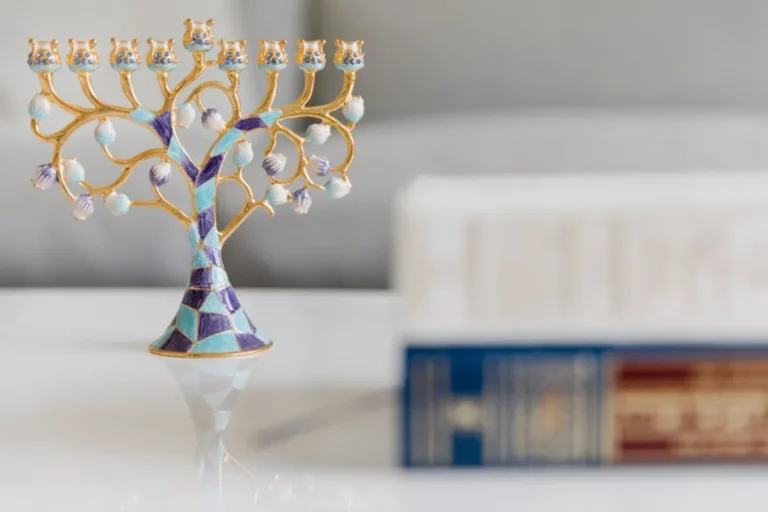
Some produce specifically Judaica work integrating ceramic with religious function.
Some develop sculptural ceramics with substantial individual character.
Some combine specific Israeli landscape references with traditional forms.
Some work in specifically contemporary international ceramic traditions while maintaining individual voice.
The variety provides substantial range for buyers and collectors.
Specific characteristics of substantial contemporary work
Israeli contemporary ceramics shows specific characteristics:
Material attention. Substantial Israeli ceramicists pay specific attention to clay bodies and glazes. Local materials sometimes provide specific characteristics.
Form sophistication. Strong design education produces work with substantial form sophistication.
Specific contemporary aesthetic. Israeli design generally has distinctive contemporary aesthetic that affects ceramics specifically.
Cultural references when used. When work references Israeli or Jewish cultural elements, the references typically have substantial integration rather than superficial application.
Functional excellence. Functional pottery from substantial ceramicists actually functions excellently rather than just looking good.
The characteristics distinguish substantial Israeli work from less substantial alternatives.
Why Israeli ceramics works as design
The substantial design quality reflects:
The Bezalel Academy's substantial educational tradition affecting many ceramicists.
The smaller-scale Israeli design ecosystem allowing substantial individual expression.
The contemporary international ceramic context providing technical sophistication.
The specific cultural context providing substantial creative material.
The integration of multiple design education traditions in Israeli context.
The combination produces substantial design quality across many specific ceramicists.
Specific ceramic categories worth attention
Within Israeli contemporary ceramics:
Tableware. Functional plates, bowls, serving pieces from substantial ceramicists. Substantial daily use value.
Hosting pieces. Specific pieces designed for entertaining. Substantial gift potential.
Tea and coffee pieces. Cups, teapots, specific pieces for tea and coffee culture.
Religious pieces. Ceramic Judaica with substantial integration of ceramic and religious traditions.
Decorative and sculptural. Pieces emphasizing aesthetic over function with substantial individual character.
Vases and floral pieces. Substantial tradition of pieces designed for flowers and plants.
Each category has specific substantial work worth investigating.
How to identify substantial contemporary Israeli ceramics
For buyers wanting substantial pieces:
Maker identification. Substantial ceramicists sign or mark their work. Anonymous pieces are often less substantial.
Studio versus factory. Studio-made pieces typically show substantial individual character. Factory production typically doesn't.
Glaze quality. Substantial work shows specific glaze attention. Cheap commercial glazes are typically obvious.
Form details. Foot rings, lip details, handle attachments reveal substantial work versus less substantial.
Reasonable pricing. Substantial handmade pieces cost meaningful amounts. Very cheap pieces are typically not substantial.
Provenance information. Specific gallery, studio, or maker provenance supports authenticity.
The criteria support better purchasing decisions.
Specific ceramicists worth knowing
Without naming specific living ceramicists (which would require ongoing updates and might unbalance attention), categories worth investigating:
Established mid-career ceramicists with substantial gallery representation.
Bezalel Academy faculty current and historical.
Specific kibbutz-based ceramic operations with substantial tradition.
Independent studio operators with substantial individual practice.
Younger ceramicists emerging through specific gallery programs.
Each category includes specific ceramicists worth supporting through purchases.
The Israeli ceramic gallery scene
Galleries play substantial role in Israeli ceramics:
Specific galleries focus primarily on craft including ceramics.
Specific ceramic-focused galleries provide concentrated access.
Major art galleries sometimes feature specific ceramicists.
Specific museum shops carry substantial work.
The gallery scene supports both ceramicists and buyers substantially.
For buyers visiting Israel, gallery visits provide substantial access to current work.
Buying ceramics internationally
For buyers outside Israel:
Specific Israeli galleries ship internationally.
Some Israeli ceramicists have international gallery representation.
Specific online platforms offer Israeli ceramic work.
Specific retailers in major Jewish communities outside Israel carry substantial work.
International access is real though more limited than for buyers in Israel.
For substantial pieces, the access is worth pursuing despite extra effort.
What ceramics integrate well with
Substantial Israeli ceramics work in specific contexts:
Contemporary residential interiors with substantial design attention.
Jewish homes integrating Judaica with broader interior design.
Hosting and entertaining contexts where pieces are used regularly.
Mixed displays combining ceramics with other craft objects.
Specific commercial contexts (restaurants, hotels) emphasizing design quality.
The integration with broader design contexts supports continued maker viability.
Care of contemporary ceramics
Contemporary ceramic care:
Most pieces are dishwasher safe but check specific maker recommendations.
Microwave use depends on specific pieces — some are safe, some not.
Hand-washing typically extends piece life regardless of dishwasher safety.
Specific glazes may have specific care requirements.
Display pieces need only periodic dusting for maintenance.
Care extends piece life across years of use.
The investment perspective
Contemporary ceramics as investment:
Most contemporary ceramic pieces don't appreciate substantially as investment.
Specific exceptional pieces from established ceramicists may appreciate.
Pieces from specific historical ceramicists have established secondary markets.
The primary value of most contemporary ceramics is use rather than financial appreciation.
Buy ceramics primarily for use and aesthetic value, not investment expectations.
The realistic perspective avoids disappointment while supporting substantial maker engagement.
What I personally collect
For full transparency about my own ceramic engagement:
Several substantial functional pieces from contemporary Israeli ceramicists used regularly in cooking and entertaining.
Specific Judaica pieces (kiddush cup, candlesticks, mezuzah) with ceramic component.
A few decorative pieces selected for specific aesthetic appeal.
Total collection size: maybe 25-30 pieces accumulated across years.
The collection supports daily use rather than just display.
The collection grows slowly through specific purchases that fit specific needs.
What I don't buy
For balance:
Mass-produced "Israeli" ceramics that don't reflect substantial maker work.
Tourist-focused pieces designed for souvenir market.
Pieces without clear maker identification.
Pieces with quality issues regardless of price.
Pieces I don't actually have use or appreciation for.
The selectivity supports collection quality and maker support.
Recommendations for new collectors
For people considering Israeli ceramic collecting:
Visit galleries and studios when possible. Direct engagement reveals what reading can't.
Build relationships with specific galleries or makers over time.
Buy pieces you'll actually use rather than just display.
Start with one or two substantial pieces rather than many lesser pieces.
Develop specific aesthetic preferences through exposure rather than imposing assumptions.
Support specific makers whose work you genuinely value.
The approach produces substantial collections that develop meaning across years.
The honest summary
Contemporary Israeli ceramics represents substantial work with specific characteristics warranting international attention. The makers, the work, and the broader tradition merit sustained engagement.
For people interested in substantial contemporary craft, Israeli ceramics offers specific value worth exploring. The work compares favorably with substantial international ceramic production.
For Israeli ceramic ecosystem, continued domestic and international interest supports specific makers facing economic and cultural pressures.
For broader cultural appreciation, Israeli ceramics demonstrates how specific cultural contexts can produce substantial contemporary craft that integrates tradition with contemporary practice.
The makers continue. The pieces accumulate. The tradition develops through specific contemporary practice. The continuation matters substantially for Israeli design culture and for the broader ceramic world that benefits from substantial work from many sources.
For people considering Israeli ceramic engagement, the work rewards the attention. The pieces provide substantial daily value plus broader cultural significance that simpler ceramic alternatives don't offer.
The work continues. The substantial tradition develops. The pieces continue to be made, bought, used, and passed across generations in the long quiet rhythm by which substantial craft cultures sustain themselves.