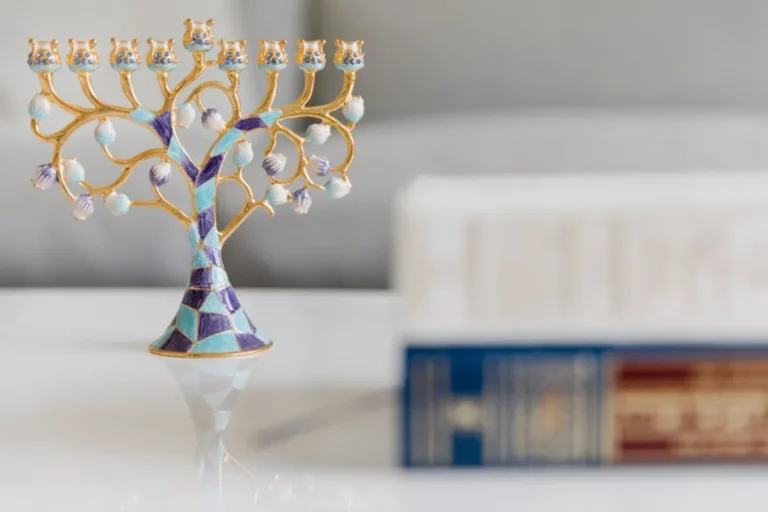

Selecting gifts for Jewish holidays involves an appreciation for tradition, symbolism, and the specific nature of each celebration. This guide provides a foundational understanding for thoughtful gift-giving, moving beyond generic offerings to present items that resonate with the recipient and the holiday's spiritual or cultural significance. The goal is to choose gifts that enhance the observance, foster connection, or simply bring joy in a contextually appropriate manner, ensuring your selection is both meaningful and well-received.
Understanding Key Jewish Holidays and Their Gifting Nuances
Rosh Hashanah: Sweet Beginnings
Rosh Hashanah, the Jewish New Year, emphasizes renewal, sweetness, and hope for a good year. Gifts should reflect these themes, often focusing on items that symbolize a sweet future or enhance the festive meals.
- Common Gifts: High-quality honey, specialty apples, gourmet food baskets (often featuring round challah, pomegranates, or dates), new year cards, or elegant serving dishes for holiday meals.
- Reasoning: These items directly relate to the holiday's customs, such as dipping apples in honey, or contribute to the celebratory atmosphere of family gatherings.
Yom Kippur: Reflection and Respect
Yom Kippur is a solemn day of fasting, prayer, and atonement. Direct gift-giving is generally not customary on this day itself. Instead, thoughtfulness can be expressed through pre-fast or break-fast considerations.
- Appropriate Gestures: Contributing to a pre-fast meal, offering to help prepare a break-fast, or making a charitable donation in honor of the recipient or the holiday's spirit of introspection.
- Reasoning: These actions align with the holiday's focus on spiritual matters and community support rather than material exchange.
Sukkot: Hospitality and Harvest
Sukkot, the Feast of Tabernacles, celebrates hospitality, gratitude for the harvest, and the temporary dwellings (sukkot) built for the holiday. Gifts often center around enhancing the sukkah or the festive meals.
- Common Gifts: Decorations for a sukkah, autumnal-themed home goods, host gifts for meals in the sukkah, or items related to the four species (lulav and etrog, though these are typically purchased by the observer for ritual use).
- Reasoning: Gifts that contribute to the sukkah's ambiance or the communal meals reinforce the holiday's themes of joy and temporary dwelling.
Hanukkah: Lights and Celebration
Hanukkah, the Festival of Lights, commemorates a miracle and the rededication of the Temple. It is one of the most prominent gift-giving holidays, particularly for children, often involving small gifts given over eight nights.
- Common Gifts: Menorahs (hanukkiyot), dreidels, Hanukkah gelt (chocolate coins or actual money), children's toys, books with Hanukkah themes, themed home decor, or small, thoughtful daily gifts.
- Reasoning: Gifts like menorahs and dreidels are central to the holiday's rituals. The tradition of giving gelt and small gifts fosters joy and reinforces the narrative for younger generations.
Purim: Joy and Giving
Purim is a joyous holiday celebrating salvation, marked by costumes, feasting, and giving. The primary form of gift-giving is "Mishloach Manot" – food baskets exchanged between friends and family.
- Common Gifts: Mishloach Manot (baskets containing at least two different types of ready-to-eat food and/or drink), hamantaschen (triangular pastries), or donations to charity (Matanot La'Evyonim).
- Reasoning: Mishloach Manot is a direct mitzvah (commandment) of Purim, fostering community and ensuring everyone has food for the festive meal. Charitable giving is another core tenet.
Passover: Freedom and Tradition
Passover (Pesach) commemorates the Exodus from Egypt, centered around the Seder meal and the avoidance of leavened bread. Gifts often enhance the Seder experience or support the dietary restrictions.
- Common Gifts: Seder plates, matzah covers, elegant Haggadahs (the text read at the Seder), kosher for Passover wine, or host gifts for a Seder.
- Reasoning: These items directly contribute to the Seder's ritual elements or serve as thoughtful gestures for hosts during a holiday that involves significant preparation.
Shabbat: Weekly Rest and Connection
Shabbat, the weekly Sabbath, is a day of rest, spiritual rejuvenation, and family connection. While not a holiday with specific gift-giving traditions, host gifts for Shabbat dinner are common and appreciated.
- Common Gifts: Challah covers, candlesticks, Kiddush cups, kosher wine, gourmet food items suitable for a Shabbat meal, or a thoughtful book.
- Reasoning: These gifts enhance the beauty and sanctity of Shabbat observance or serve as a polite gesture when invited to a Shabbat meal.
General Gifting Principles for Jewish Holidays
Kosher Considerations
When giving food or drink, ensuring it is certified kosher is paramount, particularly for observant recipients. Look for clear kosher certification symbols on packaging. This applies to ingredients, preparation, and even some kitchenware if it will be used with kosher food.
Symbolism and Meaning
Many Jewish holidays are rich with symbolism. A gift that subtly or overtly references a holiday's meaning—such as a menorah for Hanukkah or a honey pot for Rosh Hashanah—demonstrates thoughtfulness and an understanding of the recipient's traditions. This adds depth beyond mere utility or aesthetics.
Personalization
Personalized items, whether engraved, embroidered, or custom-made, elevate a gift. For example, a challah cover with a family name, a personalized Kiddush cup, or a piece of art representing a Jewish theme can become a cherished heirloom. This moves the gift from transactional to deeply personal.
Practicality vs. Decorative
Consider the recipient's lifestyle. Some may appreciate practical items that enhance their observance (e.g., a sturdy Seder plate), while others might prefer decorative Judaica (e.g., a unique piece of Jewish art). A balance of both can be ideal, offering beauty that also serves a purpose.
Pro Tip: When in doubt about specific religious items or dietary restrictions, a tasteful gift certificate to a reputable Judaica store or a high-quality kosher food purveyor allows the recipient to choose exactly what they need or desire, ensuring the gift is both appropriate and appreciated.
Navigating Your Holiday Gift Selections
Approach Jewish holiday gifting with an emphasis on respect for tradition and the recipient's personal observance level. Focus on gifts that enhance the holiday experience, whether through ritual items, festive foods, or symbolic decor. By understanding the nuances of each celebration, you can select items that are not only aesthetically pleasing but also culturally and spiritually resonant, fostering deeper connections and celebrating shared heritage.
Frequently Asked Questions
What is the most important thing to consider when buying a Jewish holiday gift?
The most important consideration is the specific holiday's meaning and traditions, followed by the recipient's level of observance. This ensures your gift is appropriate, respectful, and genuinely appreciated.
Are there any Jewish holidays where gifts are not typically given?
Yes, Yom Kippur is a solemn day of fasting and reflection, where material gifts are generally not exchanged. Instead, charitable donations or support for pre-fast/break-fast meals are more appropriate gestures.
Is it necessary for food gifts to be kosher?
For observant Jewish recipients, all food and drink gifts must be certified kosher. Always check for a reputable kosher symbol on the packaging to ensure it meets dietary laws.
Can I give a non-religious gift for a Jewish holiday?
Yes, many Jewish holidays, particularly Hanukkah and Rosh Hashanah, are occasions for general gift-giving. Non-religious gifts like books, clothing, or home goods are acceptable, provided they are thoughtful and appropriate for the recipient.