Selecting Jewish holiday gifts requires an understanding of the specific cultural and religious significance attached to each occasion. Unlike generic gifting, these choices often reflect deep-seated traditions, historical narratives, and communal values. For marketers, retailers, and content creators, this means moving beyond superficial product placement to embrace authenticity and contextual relevance. The commercial opportunity lies not just in selling items, but in providing resources and products that genuinely resonate with the celebratory or contemplative spirit of the holiday, offering value that extends beyond the material.
Understanding Key Jewish Holidays and Their Gift Traditions
Rosh Hashanah (New Year)
Rosh Hashanah marks the Jewish New Year, a period of introspection and new beginnings. Gifts for this holiday typically emphasize sweetness, good fortune, and renewal. Items that symbolize a "sweet new year" are particularly popular.
- Food Items: Gourmet honey, artisanal challah, specialty date spreads, or gift baskets featuring apples and pomegranates are common. These directly connect to the holiday's culinary traditions.
- Home & Tableware: New challah covers, elegant honey dishes, or decorative shofars (ram's horn) for display. These enhance the holiday observance and family gatherings.
- Personal Gifts: Planners, journals, or books on Jewish thought that encourage reflection.
Yom Kippur (Day of Atonement)
Yom Kippur is the holiest day of the Jewish year, dedicated to fasting, prayer, and atonement. Gift-giving is generally not customary during this solemn period. Instead, the focus is on spiritual reflection and communal prayer. However, a meaningful gesture can be a donation made in someone's honor to a relevant charity, often related to feeding the hungry or supporting Jewish education, which aligns with the holiday's emphasis on repentance and good deeds.
Sukkot (Feast of Tabernacles)
Sukkot commemorates the Israelites' forty years of wandering in the desert, living in temporary shelters (sukkot). The holiday is characterized by building and decorating a sukkah, and hosting meals within it. Gifts often support these traditions or serve as tokens of hospitality.
- Sukkah Decor: Decorative banners, strings of lights, or unique hanging ornaments.
- Host Gifts: Fine wines, specialty foods, or items for the sukkah table.
- Children's Items: Books or craft kits that explain the holiday's meaning.
Hanukkah (Festival of Lights)
Hanukkah is one of the most widely recognized Jewish holidays, celebrating the miracle of the oil that lasted eight nights. It is a significant gift-giving occasion, especially for children, spanning eight consecutive nights.
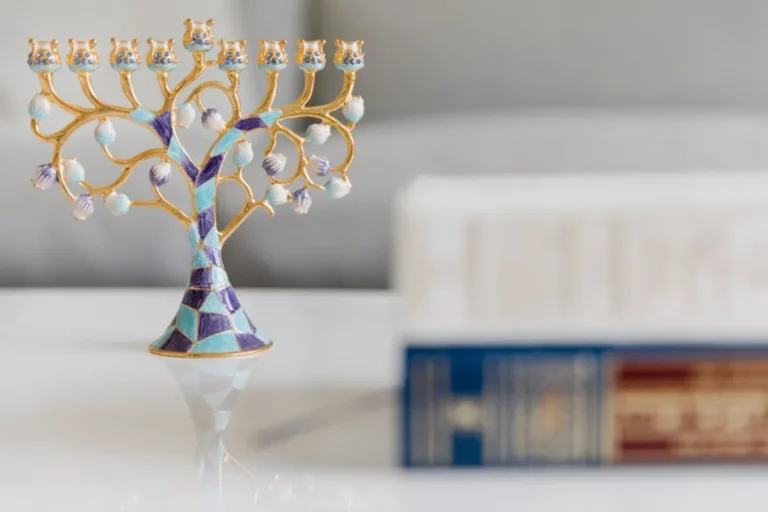
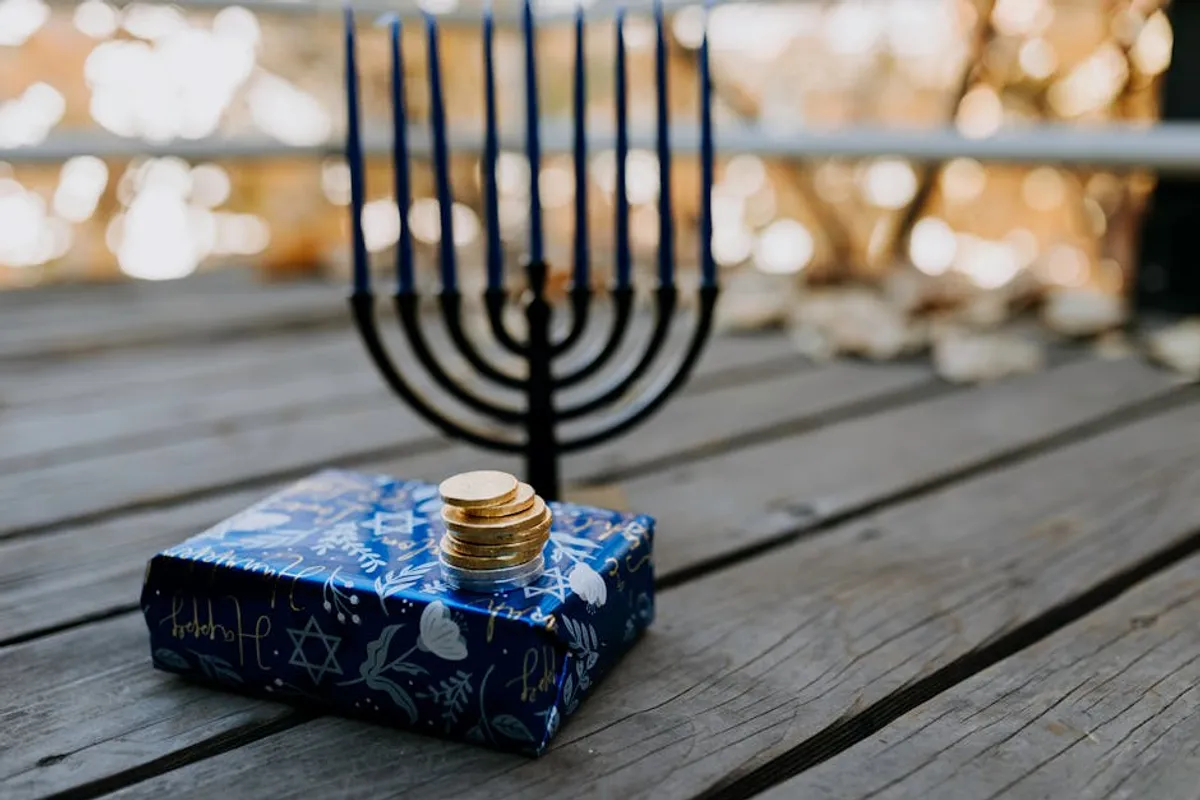
- Menorahs & Candles: A new menorah (hanukkiah) or a supply of candles is a classic gift.
- Games & Toys: Dreidels, Hanukkah-themed puzzles, or educational games related to the holiday story.
- Gelt: Chocolate coins (gelt) are traditional, often accompanied by small monetary gifts.
- Books: Stories about Hanukkah or general Jewish children's literature.
- Olive Oil Products: Given the holiday's origin, artisanal olive oils or related gourmet products can be a nuanced gift for adults.
Purim (Feast of Lots)
Purim celebrates the deliverance of the Jewish people from Haman's plot to annihilate them, as told in the Book of Esther. It is a joyous holiday characterized by masquerades, festive meals, and the exchange of food baskets (Mishloach Manot).
- Mishloach Manot Components: Gourmet snacks, baked goods (like hamantaschen), wine, or festive packaging.
- Costumes & Accessories: Masks, hats, or noisemakers (ra'ashanim) for children.
- Charity: Donations to the poor (matanot la'evyonim) are a central mitzvah of Purim, making a donation in someone's name a highly appropriate gift.
Passover (Festival of Freedom)
Passover commemorates the Exodus from Egypt and the liberation of the Jewish people from slavery. The Seder meal, a highly ritualized dinner, is central to this holiday. Gifts often revolve around enhancing the Seder experience or home observance.
- Seder Plate: A new, beautifully designed Seder plate.
- Matzah Covers & Afikoman Bags: Decorative covers for the matzah and bags for the hidden Afikoman.
- Haggadahs: Unique or illustrated editions of the Haggadah (the text read during the Seder).
- Host Gifts: Kosher-for-Passover wines, specialty foods, or serving dishes suitable for the Seder table.
Shavuot (Feast of Weeks)
Shavuot celebrates the giving of the Torah at Mount Sinai and the harvest season. It is traditionally associated with consuming dairy products and studying Torah. Gifts often reflect these themes.
- Books: Texts on Jewish learning, philosophy, or commentaries on the Torah.
- Dairy-themed Baskets: High-quality cheeses, yogurts, or dairy desserts.
- Home Decor: Floral arrangements or items that bring nature indoors, as synagogues and homes are often decorated with greenery for Shavuot.
Selecting Meaningful Gifts: Practical Considerations
Authenticity and Craftsmanship
The perceived value of a Jewish holiday gift often correlates with its authenticity and the craftsmanship involved in its creation. Mass-produced items can lack the personal touch and cultural resonance that handmade or artisan pieces offer. When sourcing gifts, prioritize items that reflect traditional techniques, use quality materials, and are created by individuals or businesses with a genuine connection to the culture. This ensures the gift carries a deeper narrative and supports skilled craftspeople.
Pro Tip: When selecting items with religious or cultural symbolism, verify the accuracy of the design and any associated Hebrew text. Misinterpretations or inaccuracies can diminish the gift's intended meaning and impact. Partner with suppliers who demonstrate clear understanding and respect for Jewish traditions.
Personalization and Presentation
Personalization elevates a gift from a mere object to a cherished keepsake. Engraving Hebrew names or significant dates on Judaica, customizing a Seder plate, or commissioning a piece of art with personal significance can make a profound difference. Beyond the item itself, thoughtful presentation—such as elegant packaging, a handwritten note explaining the gift's relevance to the holiday, or a card detailing the story behind an artisan piece—enhances the recipient's experience and demonstrates genuine care.
Donor-Directed Gifts and Tzedakah (Charity)
For certain holidays, particularly Yom Kippur and Purim, or for recipients who prioritize altruism, a donation made in their name to a reputable charity can be a highly meaningful gift. This aligns with the Jewish value of Tzedakah (righteous giving) and provides a lasting impact beyond a physical item. When offering such a gift, ensure the charity's mission aligns with the recipient's values and provide clear documentation of the contribution.
Age and Recipient-Specific Gifts
Tailoring gifts to the recipient's age, level of religious observance, and personal interests is crucial. Children often appreciate interactive gifts like games, books, or craft kits that explain holiday themes. Adults might prefer fine Judaica, gourmet foods, or items that enhance their home or spiritual practice. For new couples or those establishing a Jewish home, foundational items like a new menorah, Seder plate, or Shabbat candlesticks can be particularly appreciated. Understanding these nuances ensures the gift is both appropriate and well-received.
Navigating the Gift Market
When curating or selecting Jewish holiday gifts, focus on attributes that underscore quality, cultural relevance, and lasting value. This approach helps differentiate offerings in a competitive market and builds trust with an informed consumer base.
- Cultural Accuracy: Ensure all items correctly reflect Jewish traditions and symbols. This is non-negotiable for authenticity.
- Material Quality: Prioritize durable, high-quality materials, whether for ceremonial objects or everyday items, to ensure longevity.
- Ethical Sourcing: Investigate the origins of materials and the labor practices involved in production, aligning with ethical consumer values.
- Design and Aesthetics: Offer a range of styles, from traditional to contemporary, appealing to diverse tastes while maintaining cultural integrity.
- Educational Value: Consider items that also serve to teach or explain the holiday's significance, especially for children's gifts.
- Practical Utility: While symbolic, many gifts are also functional (e.g., Seder plates, challah boards), so practical design is important.
Practical Gift Strategy for Jewish Holidays
Developing an effective strategy for Jewish holiday gifts centers on understanding the distinct character of each celebration and the recipient's connection to it. Instead of a one-size-fits-all approach, focus on curated selections that speak to specific holiday themes—sweetness for Rosh Hashanah, light for Hanukkah, freedom for Passover. Emphasize items that enhance ritual observance, foster family connection, or offer opportunities for learning and reflection. For commercial entities, this means building product lines that are not only aesthetically pleasing but also deeply rooted in tradition, providing clear explanations of each item's significance. Consider offering tiered options, from entry-level symbolic tokens to heirloom-quality pieces, ensuring accessibility across various price points while maintaining a consistent message of cultural respect and genuine appreciation for the holiday's meaning.
Frequently Asked Questions
Q: What are the most common gift-giving Jewish holidays?
A: Hanukkah is the most prominent gift-giving holiday, often involving small gifts for eight nights. Rosh Hashanah, Purim (with Mishloach Manot food baskets), and Passover (often host gifts or Seder-related items) also involve gift exchanges.
Q: Are there any Jewish holidays where gifts are not traditionally given?
A: Yes, Yom Kippur is a solemn day of fasting and introspection where gift-giving is generally inappropriate. Tisha B'Av, another fast day commemorating tragedies, also does not involve gifts.
Q: How can I ensure a Jewish holiday gift is appropriate?
A: Research the specific holiday's customs and significance. Consider the recipient's level of religious observance and personal preferences. When in doubt, opt for gifts that are universally appreciated, such as gourmet kosher food, high-quality Judaica, or a donation to charity in their name.
Q: What are good last-minute Jewish holiday gift ideas?
A: For last-minute needs, consider high-quality kosher wine, gourmet food baskets (especially for Rosh Hashanah or Purim), a meaningful book on Jewish culture or spirituality, or a donation to a relevant charity with a personalized e-card notification.