
Selecting gifts for Jewish holidays involves understanding the specific traditions, rituals, and cultural significance associated with each observance. The goal is to choose items that not only delight the recipient but also enhance their experience of the holiday, reflect its meaning, or support Jewish identity and practice. This approach moves beyond generic gift-giving to a more thoughtful, culturally informed selection process.
Rosh Hashanah Gift Considerations
Rosh Hashanah, the Jewish New Year, is a time for introspection, renewal, and hope for a sweet year ahead. Gifts often reflect these themes, emphasizing sweetness, new beginnings, and communal celebration.
- Sweet Treats: Honey is a primary symbol of a sweet new year. Gifting artisanal honey, honey cakes, or a gift basket centered around honey and apples (traditionally dipped in honey) is a classic choice.
Best for: Families, hosts, or anyone appreciating traditional symbolism.
- New Year Cards and Calendars: Thoughtful cards conveying blessings for the new year or Jewish calendars that mark holidays and Hebrew dates are practical and appreciated.
Best for: Colleagues, distant relatives, or as a small token of remembrance.
- Challah Boards and Covers: For those who host holiday meals, a decorative challah board or an embroidered challah cover elevates the Shabbat and holiday table.
Best for: Homeowners, hosts, or individuals who value ritual aesthetics.
- Pomegranates: Symbolizing fruitfulness and the 613 mitzvot (commandments), fresh pomegranates or pomegranate-themed items (e.g., serving dishes, art) are meaningful.
Best for: Those who appreciate symbolic gestures and culinary delights.
Hanukkah Gift Considerations
Hanukkah, the Festival of Lights, is celebrated for eight nights, commemorating the miracle of the oil. Gifts during this holiday often involve light, games, and small tokens, particularly for children.
Traditional Hanukkah Items
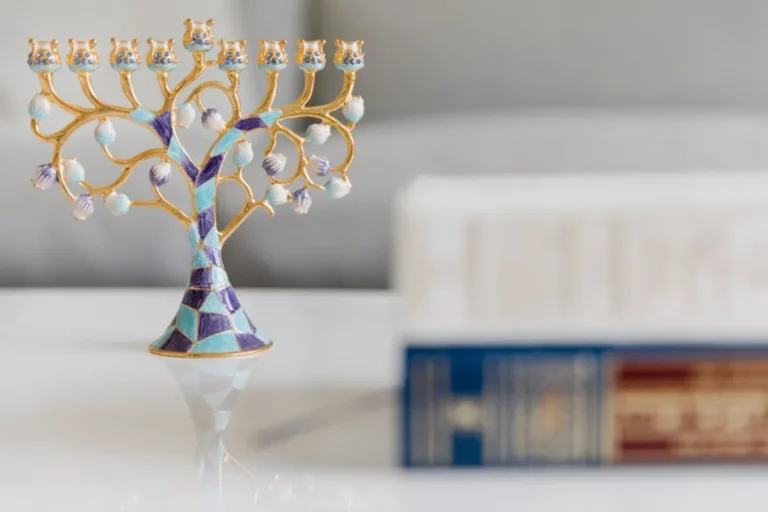
- Menorahs: A beautiful menorah (hanukkiah) is central to the holiday. Options range from classic silver designs to modern interpretations or child-friendly versions.
Best for: New families, young adults establishing their own homes, or collectors.
- Dreidels: The spinning top game is a Hanukkah staple. Gifting decorative dreidels, dreidel sets, or even chocolate gelt (coins) for playing the game reinforces tradition.
Best for: Children, families, or those hosting Hanukkah parties.
- Hanukkah Gelt: Chocolate coins wrapped in foil are a popular treat for children, often given alongside or instead of small monetary gifts.
Best for: Children and grandchildren.
Educational and Entertaining Options
- Hanukkah Books: Children's books that tell the story of Hanukkah, explain its customs, or offer holiday-themed activities are valuable for engaging younger generations.
Best for: Families with young children.
- Craft Kits: Hanukkah-themed craft kits (e.g., menorah decorating, dreidel making) provide engaging activities during the long evenings of the holiday.
Best for: Creative children or families looking for holiday entertainment.
Pro Tip: When selecting food gifts for any Jewish holiday, always verify kosher certification if the recipient observes kashrut. Look for reputable certification symbols (hechsherim) on packaging to ensure the product meets dietary law standards. This detail demonstrates respect for their religious practice.
Passover Gift Considerations
Passover (Pesach) commemorates the liberation of the Israelites from slavery in Egypt. The Seder meal is the holiday's focal point, and gifts often enhance this ritual or adhere to its unique dietary restrictions.
- Seder Plates: A new Seder plate, often beautifully designed, can be a cherished gift for a host or a family. These plates hold the symbolic foods of the Seder.
Best for: Hosts, newlyweds, or families upgrading their ritual items.
- Matzah Covers and Afikoman Bags: Embroidered covers for the matzah and special bags for the afikoman (the hidden piece of matzah) add elegance to the Seder table.
Best for: Those who appreciate ritual textiles and home decor.
- Haggadahs: New or special edition Haggadahs (the text read during the Seder) can be a thoughtful gift, especially if they offer unique commentaries, illustrations, or translations.
Best for: Individuals who lead Seders or enjoy studying Jewish texts.
- Kosher for Passover Wine: Wine is central to the Seder. Gifting a quality kosher for Passover wine is a practical and appreciated gesture.
Best for: Seder hosts or adult guests.
Shabbat and General Judaica Gifts
While Shabbat is a weekly observance, gifts can enhance its sanctity and beauty. Many Judaica items are appropriate year-round or for various lifecycle events beyond specific holidays.
- Kiddush Cups: Used for the blessing over wine, a decorative kiddush cup makes a meaningful gift for individuals or families.
Best for: Bar/Bat Mitzvah celebrations, weddings, or housewarmings.
- Candlesticks: Shabbat candlesticks are essential for lighting the Shabbat candles. A new pair can elevate the home.
Best for: New homes, weddings, or individuals starting their own Shabbat observance.
- Mezuzahs: A mezuzah case, containing a parchment scroll with verses from the Torah, is affixed to doorposts. Gifting a unique mezuzah case is a traditional gesture.
Best for: Housewarmings, new offices, or as a general symbol of faith.
- Jewish Art and Home Decor: Pieces of art, wall hangings, or decorative items with Jewish themes or Hebrew calligraphy can beautify a home and express Jewish identity.
Best for: Art enthusiasts, new homeowners, or those seeking meaningful decor.
Selecting Meaningful Jewish Holiday Gifts
When choosing a Jewish holiday gift, consider the recipient's level of observance, personal taste, and the specific holiday's focus. A gift that resonates with the holiday's spiritual or historical significance often holds more value than a purely material item. Prioritize quality, authenticity, and cultural appropriateness to ensure the gift is truly appreciated and utilized. Whether it's a ritual item that enhances observance, a culinary delight that symbolizes the season, or an educational tool that deepens understanding, thoughtful selection makes the gift memorable.
Frequently Asked Questions About Jewish Holiday Gifts
What are the most common Jewish holidays for gift-giving?
The most common Jewish holidays for gift-giving are Hanukkah, Purim, and Rosh Hashanah. While gifts are traditionally exchanged on these days, thoughtful items can also be given to enhance the observance of Passover or Shabbat.
Is it appropriate to give gifts for Yom Kippur?
Yom Kippur is a solemn day of fasting, prayer, and atonement, making traditional gift-giving generally inappropriate. Instead, gestures of support, such as a thoughtful card or a donation to charity in the recipient's name, are more fitting.
How important is kosher certification for food gifts?
Kosher certification is highly important for food gifts, particularly if the recipient observes Jewish dietary laws (kashrut). Always look for a reputable kosher symbol (hechsher) on the packaging to ensure the food is prepared according to religious requirements.
Are there any universal gift ideas suitable for most Jewish holidays?
While specific holidays have unique gift traditions, general Judaica items like a beautiful Kiddush cup, Shabbat candlesticks, or a Jewish-themed book can be appropriate for various occasions throughout the year, especially for lifecycle events or as housewarming gifts.