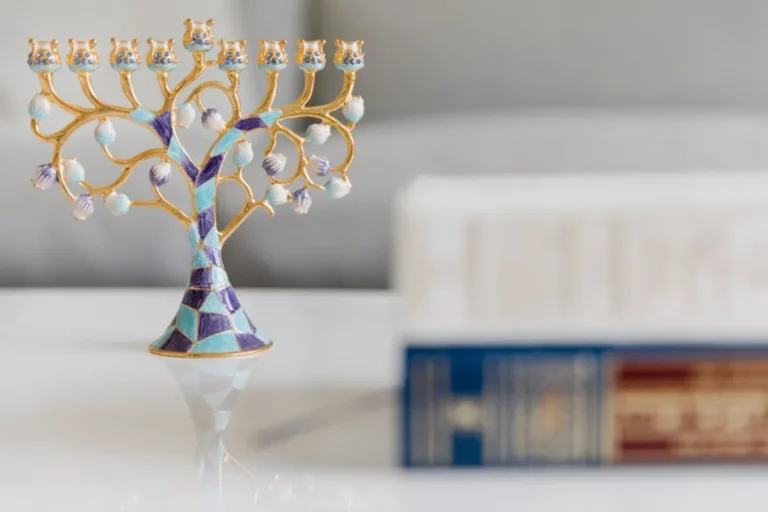
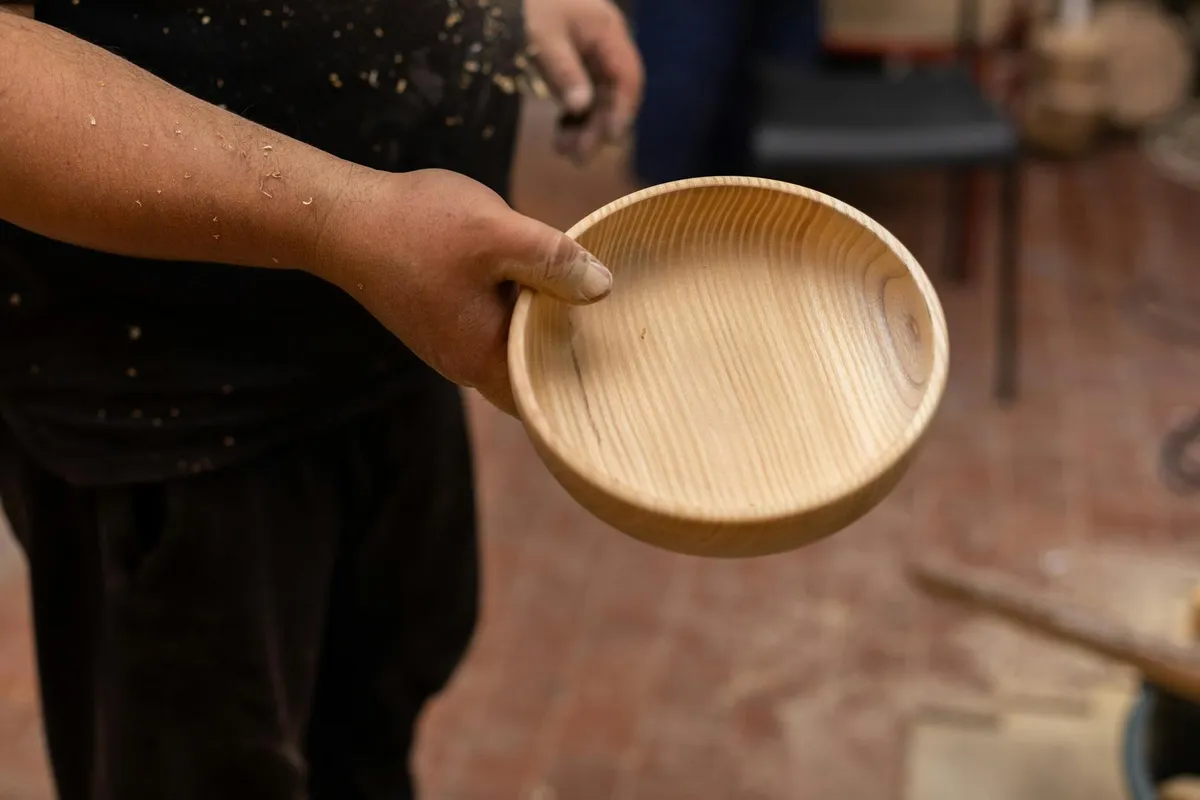
If you visit specific workshops in Israel or the West Bank, you encounter olive wood makers whose work has continued across generations. The workshops are typically small. The makers often inherited their craft from parents or grandparents. The wood comes from local olive trees — often from groves that have been cultivated for centuries.
The objects produced — bowls, plates, candle holders, religious items, decorative pieces — connect directly to the landscape that sustains the craft. The connection produces objects with specific meaning beyond their function.
The makers warrant the kind of careful attention this site attempts to provide. Their work represents specific cultural achievement worth examining.
The material itself
Olive wood has specific properties that shape what can be made from it:
Hard density that resists wear. Olive wood objects survive substantial use across decades.
Distinctive grain patterns. Each piece reveals specific patterns reflecting the tree's growth.
Tight grain that takes detail well. Carved objects retain fine detail across years.
Resistance to moisture. Olive wood handles cooking and food contact well.
Aromatic character. Olive wood retains subtle fragrance from the tree.
The properties make olive wood substantially appropriate for objects intended for daily use across long periods.
The trees that produce the wood
Olive trees in Israel and the broader region have specific characteristics:
Substantial age. Many olive trees are centuries old, with some reaching a thousand years or more.
Specific cultivation traditions. The trees have been cultivated for olive production through specific methods passed across generations.
Symbolic significance. Olive trees carry substantial cultural meaning — peace, continuity, connection to land.
Slow growth. The wood available for craft work comes mostly from pruning rather than felling. The slow growth means careful sustainable use is essential.
Regional variation. Different specific regions produce wood with subtle different characteristics.
The trees connect to landscape in ways that few other craft materials do.
The traditional makers
Specific traditional makers continue working in olive wood:
Family workshops in Bethlehem and the broader West Bank with multi-generational tradition.
Workshops in northern Israel maintaining different specific traditions.
Specific religious-craft makers whose Judaica production uses olive wood specifically.
Smaller workshops in various Israeli locations maintaining specific local traditions.
The makers represent continuity of specific craft knowledge across generations.
The objects they make
Specific olive wood objects with substantial tradition:
Salad and serving bowls. Substantial olive wood bowls for daily use. The objects develop substantial character through years of use.
Cutting boards and food preparation surfaces. Olive wood's density makes it appropriate for kitchen use.
Religious objects. Specific Judaica including kiddush cups, mezuzot, candle holders, ceremonial items.
Christian religious objects. Bethlehem and surrounding areas have substantial Christian olive wood tradition for religious objects.
Decorative objects. Vases, sculptures, decorative plates with substantial regional variation.
Specific traditional kitchen tools. Mortars and pestles, specific spoons, traditional kitchen implements.
Each category has substantial traditional development reflecting accumulated knowledge.
How olive wood differs from other woods
Compared to other craft woods:
Substantially harder than most domestic craft woods.
Distinctive grain that other woods don't produce.
Specific aromatic character that other woods lack.
Substantially better for food contact than many alternatives.
More expensive than commodity craft woods due to limited supply.
The specific properties produce substantially different objects than woods like maple or walnut would produce.
The economics of olive wood craft
Specific economics shape current olive wood craft:
Material cost is significant. Olive wood is more expensive than commodity craft woods.
Skilled labor cost is substantial. Quality work requires substantial training and time.
Tourist market provides substantial sales channel for specific producers.
International export is significant for specific operations.
Internal Israeli market supports specific contemporary makers.
Religious institution purchases support specific Judaica production.
The combination supports continued production though at smaller scale than peak periods.
Threats to the craft tradition
Specific threats face olive wood craft:
Generational continuity. Many makers face challenges passing craft to next generation. Young people often choose other careers.
Material supply. Olive wood availability depends on continued olive cultivation. Land use changes affect supply.
Political instability. Regional political tensions affect specific producers and supply chains.
Competition from imports. Cheaper imports from other regions sometimes undercut traditional production.
Mass-produced alternatives. Mass-produced "olive wood" objects from various sources compete with traditional production.
Each threat is real. Continued production requires navigating multiple challenges.
What buyers should know
For buyers interested in substantial olive wood craft:
Provenance matters. Specific producers and specific regions produce substantially different work. Cheap "olive wood" without clear provenance often comes from various non-traditional sources.
Price reflects quality. Traditional handmade olive wood objects cost meaningfully more than mass-produced alternatives. The price differential reflects real differences.
Specific shopping channels. Direct purchase from workshops, specific established retailers, and verified online sources support traditional producers.
Care matters. Olive wood objects benefit from specific care (occasional oiling, avoiding extended water immersion).
Authentic objects develop character. Substantial olive wood objects develop substantial patina across years of use.
Informed buying supports continued traditional production.
The cultural meaning
Olive wood objects carry substantial cultural meaning:
The connection to land and trees with substantial cultural significance.
The connection to specific craft traditions maintained across generations.
The connection to specific makers whose work has individual character.
The connection to broader Jewish and regional cultural traditions.
The connection to sustainable use of regional resources.
Each dimension adds meaning beyond the objects' functional uses.
What I look for in olive wood
When evaluating specific olive wood pieces:
Distinctive grain patterns that reveal individual tree character.
Substantial mass and density appropriate to the form.
Quality finishing that reveals rather than disguises wood character.
Form that suits the wood's properties (avoiding shapes that fight the material).
Maker identification when possible — specific producer reputation matters.
Provenance information that connects to specific source.
The qualities together indicate substantial work.
Visiting workshops
For travelers interested in olive wood craft:
Specific workshops in Bethlehem area welcome visitors.
Israeli workshops in various locations offer tours and direct sales.
Specific craft cooperatives provide access to multiple makers.
Religious institutions sometimes maintain craft connections worth visiting.
The visits provide context for the work that purchase alone doesn't convey.
Direct producer purchases also support specific makers economically more substantially than retail purchases.
Specific workshops worth knowing
Without naming specific producers (which would risk over-promotion), workshop categories worth investigating:
Established multi-generational family operations with substantial track records.
Contemporary makers combining traditional methods with modern designs.
Religious-focused makers specializing in Judaica production.
Cooperative operations supporting multiple individual makers.
Educational workshops that allow visitor participation.
Each category includes specific producers worth supporting.
The future of olive wood craft
Looking forward:
Generational transitions will determine whether specific traditions continue.
Land use and political conditions affect material availability.
International market interest affects economic viability.
Tourism patterns affect sales channels.
Cultural recognition affects long-term sustainability.
The combination produces uncertain but not hopeless future for the tradition.
What individual support produces
For people wanting to support olive wood craft:
Direct purchases from traditional producers support specific operations.
Visits to workshops and craft regions support tourism economy that sustains producers.
Quality purchases that develop personal connection support continued engagement.
Sharing knowledge of specific producers with others extends market reach.
Recognition of authentic work versus mass-produced alternatives supports market integrity.
Individual contributions support continued traditional production at small scales.
The broader Jewish craft context
Olive wood craft fits within broader Jewish material culture:
Specific Judaica production extends across multiple materials and traditions.
Religious craft traditions sustain specific knowledge and practices.
Contemporary Jewish design often references traditional craft.
The material culture connects to broader cultural and religious traditions.
Olive wood is one specific category within this broader context.
Engagement with multiple categories enriches understanding of any single one.
The honest summary
Olive wood craft represents substantial Israeli and regional cultural production with specific characteristics that warrant attention. The makers, the material, and the resulting objects all merit sustained engagement.
For people interested in substantial craft, olive wood objects offer specific value beyond their function. The cultural connections and material properties combine to produce meaningful objects.
For Israeli craft economy, continued international interest supports specific producers facing economic pressures.
For Jewish material culture broadly, olive wood is one specific category within substantial broader traditions worth engaging.
The makers continue. The work continues, where it continues, because of decisions across multiple generations to sustain specific traditions.
For people considering olive wood purchases, support specific traditional producers when possible. The objects matter both individually and as part of broader cultural sustainability.
The craft persists. The traditions continue. The work goes on, in the long quiet rhythm by which substantial craft has always continued where conditions for its continuation are sustained.