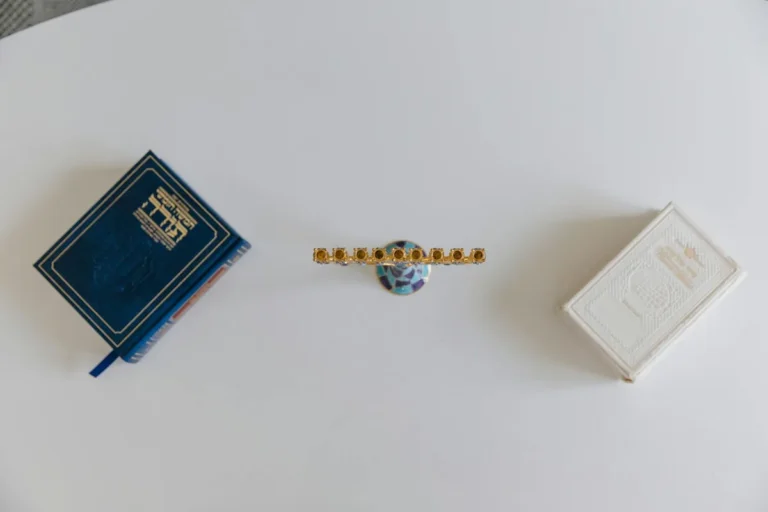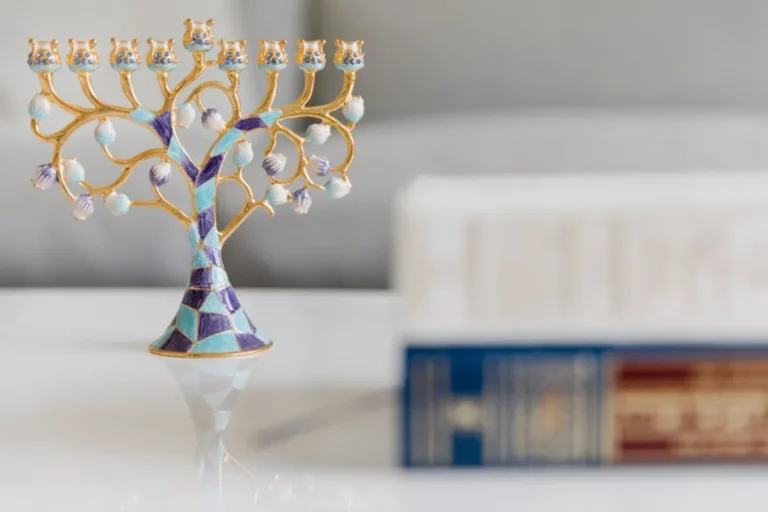
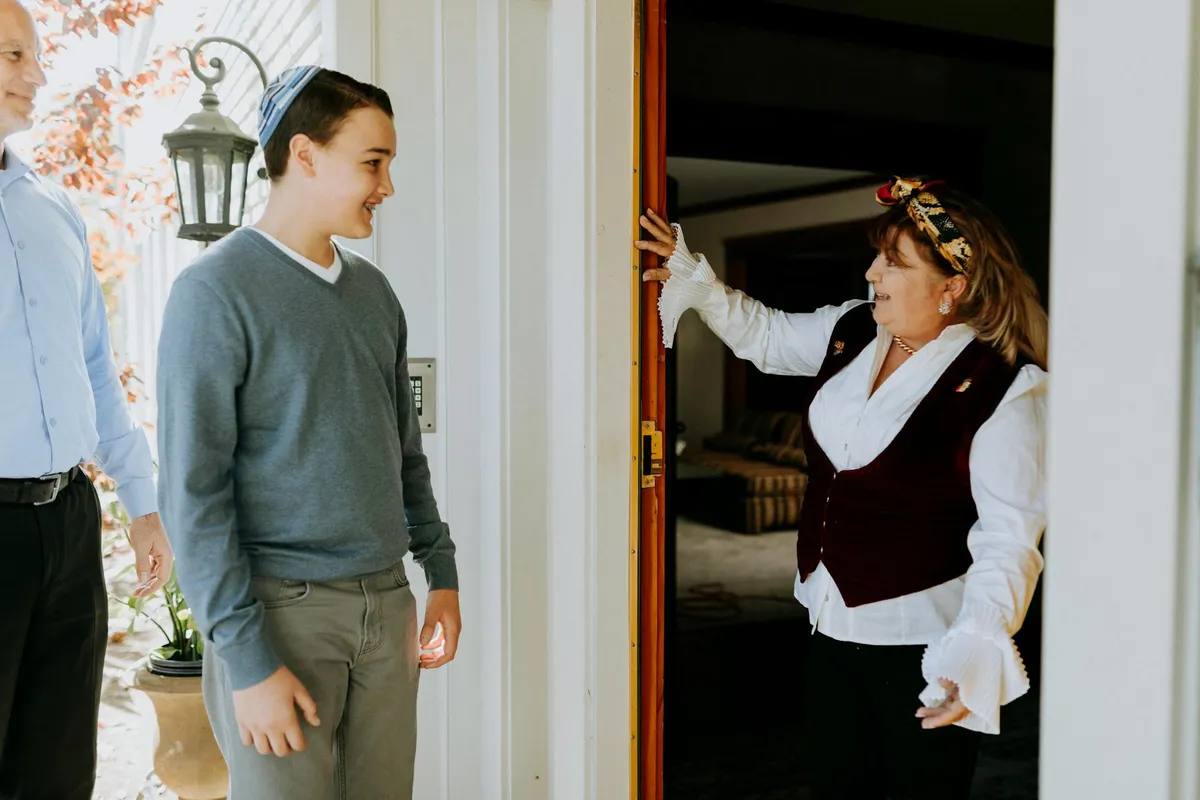
Major Jewish life events — births, bar and bat mitzvahs, weddings, anniversaries, and others — produce specific moments when families add to their Judaica collections. The pieces purchased for these events become part of family material culture for decades after, often passing across generations as inheritance.
The choices made at these specific moments matter substantially. Quality pieces purchased for substantial events become substantial family heirlooms. Lesser pieces purchased without substantial consideration produce material clutter rather than substantial inheritance.
This is about how to think about Judaica purchases for specific life event moments.
Birth and Brit/Simchat Bat
The birth of a child and associated ceremonies create specific Judaica moments:
Mezuzah for the child's eventual bedroom.
Specific kiddush cup intended for the child to inherit.
Substantial ceremonial Bible (Tanakh) with personalization.
Specific birth-related pieces from gift-giving relatives.
Quality candlesticks if appropriate gift from family.
The birth-period purchases become foundational pieces for the child's eventual Jewish material life.
Bar/Bat Mitzvah
The bar/bat mitzvah produces substantial Judaica purchase moment:
Substantial kiddush cup for the young adult's use. Often substantial silver piece intended for lifetime use.
Tallit (prayer shawl) for the bar/bat mitzvah. Quality tallitot from specific makers represent substantial investment.
Tefillin for boys (in traditional families). Substantial investment that should be lifetime piece.
Quality prayer book (siddur) for personal use.
Specific Jewish books that support the young adult's Jewish education.
Mezuzah for the young adult's eventual home.
The bar/bat mitzvah purchases mark specific transition into adult Jewish responsibility. The pieces bought matter substantially for adult Jewish life.
Weddings
Jewish weddings produce substantial Judaica moments:
Ketubah (marriage contract) — often substantial commissioned art piece.
Wedding kiddush cup — central piece for couple's subsequent Shabbat practice.
Wedding candlesticks — for couple's home Shabbat use.
Wedding mezuzah — for couple's home doorpost.
Substantial Tanakh or Jewish library investment from family.
Specific household Judaica pieces (challah board, challah cover, wine decanter) often coming from wedding gift registry.
The wedding-period purchases substantially equip the new household for Jewish home life.
Anniversary milestones
Specific anniversaries (10th, 25th, 50th) often prompt Judaica gifts:
Substantial silver pieces commemorating specific years.
Renewed kiddush cups or candlesticks at specific milestones.
Specific commissioned pieces marking family achievements.
Pieces from adult children to parents at significant anniversaries.
The pieces add to accumulated family material culture across decades.
New homes
Moving to a new home produces specific Judaica needs:
Mezuzah for the home's primary doorpost.
Mezuzot for additional doorways depending on traditional practice.
Specific kitchen Judaica if missing from previous home.
Specific Shabbat table elements if the new home requires upgrades.
Display pieces appropriate to the new home's aesthetic.
Home transitions provide opportunities to fill gaps and upgrade specific pieces.
Memorial pieces
Death in the family produces specific Judaica moments:
Yahrzeit (memorial) candle holders for the household.
Specific pieces purchased in memory of family members.
Substantial pieces dedicated through synagogues with family memorial inscription.
Specific pieces inherited from the deceased family member.
The memorial dimension adds specific layer to Judaica purchase decisions.
The general principles
Across various life events, specific principles support good purchasing:
Buy quality. Substantial events warrant substantial pieces. Lesser pieces don't become substantial heirlooms.
Buy with intent for the recipient. Pieces should match the specific person's practice and aesthetic preferences.
Document the gift. Specific occasion, giver, and meaning should be documented for future reference.
Consider the lifecycle. Pieces should suit the recipient's expected life trajectory rather than just current moment.
Choose timeless over trendy. Substantial pieces should look appropriate decades after purchase.
The principles support purchases that produce lasting value.
Where to source life event pieces
For substantial life event Judaica:
Substantial Judaica galleries. Specific galleries focus on substantial work and provide substantial expertise.
Direct from established artists. Many substantial Judaica artists work directly with families on specific commissions.
Specific commission services. Some services specialize in life event Judaica commissioning.
Family heirloom restoration. Sometimes existing family pieces can be restored rather than buying new.
Antique markets. Specific antique pieces have substantial historical and material value.
Different sources suit different specific situations.
The commissioning option
Commissioning specific pieces for specific life events:
Allows specific personalization (names, dates, family elements).
Supports specific Judaica artists directly.
Produces unique pieces with specific meaning.
Requires lead time — commissioning isn't for last-minute purchases.
Costs more than off-the-shelf alternatives.
For substantial events with adequate planning, commissioning produces specific value off-the-shelf can't match.
What I commissioned for my wedding
For full transparency about my own life event purchases:
Ketubah commissioned from specific Israeli artist whose work matched our aesthetic preferences.
Wedding kiddush cup commissioned from substantial silversmith with specific personalization.
Other pieces (candlesticks, challah board) from substantial sources rather than commissioned.
The commissioned pieces have substantial meaning that off-the-shelf pieces wouldn't.
The investment was substantial but justified by specific significance and lifetime use.
Common life event purchase mistakes
Specific patterns produce regrettable purchases:
Buying based on price alone. Cheap pieces for substantial events produce regret.
Buying without considering recipient preferences. Pieces that don't match the person's aesthetic don't get used.
Trendy purchases that don't age well. Pieces tied to specific contemporary trends look dated within years.
Not documenting the meaning. Pieces without documented context lose meaning across generations.
Last-minute purchases. Substantial pieces benefit from substantial selection time.
Each mistake is preventable through specific consideration.
What gift recipients should communicate
For people likely to receive Judaica gifts at life events:
Communicate specific aesthetic preferences to family and friends.
Indicate specific desired pieces or piece types.
Provide specific size, color, or detail preferences when relevant.
Suggest specific sources or makers when known.
Explain how pieces will fit into existing collection.
The communication produces gifts that actually fit the recipient's life rather than well-intentioned but mismatched pieces.
What gift givers should ask
For people giving Judaica at life events:
Ask about specific recipient preferences before purchasing.
Ask about existing collection to avoid duplication.
Ask about source preferences when available.
Ask about practical considerations (size for available space, etc.).
Ask about specific intended uses.
The questions enable purchases that recipients actually want.
Building inheritance across generations
Life event purchases accumulate into family inheritance:
Wedding pieces become parents' household pieces.
Bar/bat mitzvah pieces stay with the young adult through their Jewish life.
Birth pieces eventually pass to the child as adult.
Anniversary pieces become next generation's wedding inheritance.
The accumulation across generations produces substantial family Jewish material culture.
Quality purchases at specific moments support multi-generational continuity.
The intergenerational responsibility
Each generation contributes to family Judaica inheritance:
Quality additions during one's own life events.
Maintaining inherited pieces appropriately.
Documentation that helps next generation understand pieces' meaning.
Eventual passing of pieces with appropriate ceremony and explanation.
Treating Judaica as multi-generational asset rather than personal possession.
The responsibility supports sustained family Jewish material culture.
What I tell new Jewish families
For people starting their own Jewish material culture:
Start substantial. The wedding and early household period sets foundation.
Be selective. Not every event requires substantial purchase.
Build relationships with specific Judaica sources you trust.
Document everything. Future generations need context.
Use the pieces. Display alone misses substantial value.
Plan for inheritance from the start.
The advice supports building substantial Jewish material culture across decades.
The honest summary
Major Jewish life events produce specific Judaica purchase moments. The choices made at these moments shape family material culture for decades after.
For people facing specific life event purchase decisions, the framework supports better choices. Substantial events deserve substantial pieces.
For people receiving life event gifts, communication about preferences enables gifts that actually fit lives.
For broader Jewish material culture, life event purchases sustain continued maker work and family material continuity.
For multi-generational continuity, the cumulative effect of specific quality purchases at specific moments produces substantial inheritance that simpler purchasing patterns don't produce.
The pieces accumulate. The traditions persist. The family material culture develops across generations through specific choices at specific moments.
For those committed to substantial Jewish family life, the life event Judaica purchases warrant specific attention. The pieces matter substantially for what specific moments become and for what families pass across generations.
The work of building substantial Jewish material culture continues, in the long quiet rhythm by which Jewish families have built their inheritance across the centuries that Jewish family life has continued.