
Selecting appropriate gifts for Jewish holidays requires an understanding of each occasion's unique significance and traditions. Unlike universal holidays, Jewish festivals often carry specific themes, rituals, and dietary considerations that influence gift choices. This checklist provides a framework for identifying thoughtful, relevant presents that honor the spirit of each holiday, ensuring your selections resonate with recipients and respect cultural nuances. This checklist provides a framework for identifying thoughtful, relevant presents that honor the spirit of each holiday, ensuring your selections resonate with recipients and respect cultural nuances; consider exploring a complete overview of Jewish holiday gifts for further context.
Navigating Jewish Holiday Gift Giving
Each Jewish holiday presents distinct opportunities for gift-giving, driven by its historical and spiritual context. While some holidays, like Hanukkah, are widely associated with presents, others, such as Rosh Hashanah or Purim, emphasize different forms of generosity and celebration. Understanding these distinctions guides gift selection towards items that enhance the holiday experience rather than merely serving as generic tokens.
Rosh Hashanah Gifts: New Beginnings
Rosh Hashanah, the Jewish New Year, is a time for introspection, renewal, and hope for a sweet year ahead. Gifts typically reflect themes of sweetness, new beginnings, and prosperity.
- Food Items: Honey, often accompanied by a decorative dish for dipping apples, is a traditional and highly appreciated gift. Gourmet food baskets featuring dried fruits, nuts, or specialty baked goods are also suitable. Ensure any food gift is certified Kosher if the recipient observes dietary laws.
- Home Goods: Elegant challah covers, Kiddush cups, or decorative serving dishes for holiday meals contribute to the festive atmosphere. These items are practical and can be used for years, becoming part of family traditions.
- Books: Prayer books (machzorim) for the High Holy Days, or books on Jewish ethics and philosophy, are meaningful choices for those who engage deeply with the spiritual aspects of the holiday.
Hanukkah Gifts: Lights and Celebration
Hanukkah, the Festival of Lights, is perhaps the most recognized Jewish holiday for gift-giving, particularly to children. Presents celebrate the miracle of oil and the triumph of light over darkness.
Best for: Children and family-oriented gifts.
- Toys and Games: Dreidels, Hanukkah-themed puzzles, and age-appropriate books about the holiday story are popular choices for younger recipients.
- Hanukkah Gelt: Chocolate coins, or actual money, are traditionally given to children, symbolizing good fortune and encouraging charitable giving.
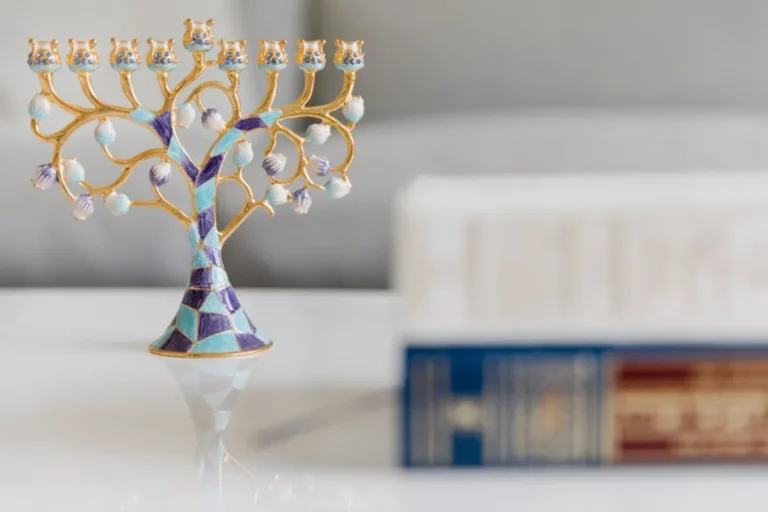
- Menorahs: A beautiful menorah, especially one that can be passed down through generations, is a significant gift. Accompanying candles are also practical.
- Judaica: Small pieces of art or decorative items featuring Hanukkah motifs can enhance home decor during the holiday.
Purim Gifts: Joy and Community
Purim is a joyous holiday celebrating salvation from ancient persecution. The central mitzvah (commandment) of Purim is sending food gifts, known as mishloach manot, to friends and neighbors, and giving charity to the poor (matanot la'evyonim).
Pro Tip: When preparing mishloach manot, ensure each package contains at least two different types of ready-to-eat food and/or drink. The emphasis is on sharing and strengthening community bonds, not on elaborate or expensive items. Consider dietary restrictions or allergies of recipients.
Best for: Consumable, shareable items.
- Food Baskets: Hamantaschen (triangular filled pastries), cookies, fruit, nuts, and bottles of grape juice or wine are common inclusions.
- Themed Gifts: Items related to the Purim story, such as small noisemakers (ra'ashanim) for children, or costume accessories, can add to the festive spirit.
Passover Gifts: Freedom and Tradition
Passover commemorates the liberation of the Israelites from slavery in Egypt. Gifts often support the Seder meal and the themes of freedom and remembrance.
Best for: Items that enhance the Seder or home observance.
- Seder Plate: A beautifully designed Seder plate is a central item for the holiday meal and makes a lasting gift.
- Matzah Cover: A decorative cloth cover for the matzah on the Seder plate is both practical and symbolic.
- Haggadah: A new edition of the Haggadah (the text recited at the Seder), especially one with insightful commentary or unique illustrations, can enrich the Seder experience.
- Kosher for Passover Wines: A bottle of quality Kosher for Passover wine is always a welcome addition to the Seder table.
Shavuot Gifts: Learning and Renewal
Shavuot celebrates the giving of the Torah at Mount Sinai and the harvest season. It is traditionally observed with dairy meals and intense Torah study.
Best for: Educational or culinary gifts.
- Books on Jewish Thought: Gifts that encourage learning, such as books on Jewish philosophy, ethics, or contemporary Torah commentary, align with the holiday's focus on study.
- Dairy-themed Gourmet Baskets: High-quality cheeses, yogurts, or specialty dairy desserts are appropriate, reflecting the custom of eating dairy foods on Shavuot.
- Floral Arrangements: Homes and synagogues are often decorated with flowers and greens on Shavuot, symbolizing the lushness of Mount Sinai at the time of the Torah's giving. A floral gift can be a thoughtful gesture.
General Considerations for Jewish Gifts
Beyond specific holiday themes, several overarching principles guide thoughtful gift selection for Jewish recipients:
- Kosher Certification: For any food or drink item, verify it is Kosher, and specifically Kosher for Passover if applicable. Look for recognized certification symbols.
- Judaica: Consider items that enhance Jewish observance or home life, such as Shabbat candlesticks, a mezuzah, or a beautiful challah board.
- Personalization: Engraved items, custom artwork, or gifts tailored to the recipient's specific interests (e.g., a book by their favorite Jewish author) demonstrate extra care.
- Charitable Giving: In many Jewish traditions, making a donation in the recipient's honor to a Jewish charity or cause they support is a highly valued and meaningful gift.
- Age and Observance Level: Tailor gifts to the recipient's age and their level of religious observance. A gift appropriate for a highly observant individual might differ from one suitable for someone less religiously affiliated.
Thoughtful Gift Selection: Key Takeaways
Approaching Jewish holiday gift-giving with an informed perspective ensures your presents are not only appreciated but also meaningful. Focus on gifts that align with the holiday's themes, support Jewish traditions, or enhance the recipient's celebration. Authenticity and thoughtfulness consistently outweigh monetary value. By considering the cultural context and individual preferences, you can select gifts that truly resonate and strengthen connections.
Frequently Asked Questions
What are the most common Jewish holidays for gift-giving?
Hanukkah is the most widely recognized holiday for gift exchange, especially for children. Rosh Hashanah and Purim also involve specific traditions of giving, often food-related or charitable.
Do I need to give Kosher gifts?
For any food or drink items, it is generally advisable to ensure they are Kosher, especially if you are unsure of the recipient's dietary observance. Look for reliable Kosher certification symbols on packaging.
Are there any holidays where gifts are not appropriate?
Yom Kippur, a solemn day of atonement, is not a holiday for gift-giving. The focus is entirely on prayer, fasting, and repentance.
What is a safe gift choice if I'm unsure of the recipient's preferences?
Books on Jewish culture or history, a donation to a relevant charity in their name, or a high-quality piece of general Judaica like a challah board are often well-received and respectful choices.