Selecting Jewish holiday gifts involves understanding the specific occasion, the recipient's connection to tradition, and the underlying meaning of the holiday itself. Unlike generic celebrations, Jewish holidays often carry distinct customs and expectations for gift-giving, ranging from practical items to symbolic gestures. This guide provides a framework for comparing gift options across various holidays, focusing on appropriateness, utility, and the message conveyed. This guide provides a framework for comparing gift options across various holidays, focusing on appropriateness, utility, and the message conveyed, offering a complete overview of Jewish holiday gifts.
Understanding Jewish Holiday Gift Occasions
Each Jewish holiday holds unique significance, influencing the type of gifts considered appropriate. Gifting practices vary, from celebratory exchanges to more subtle acknowledgments.
Rosh Hashanah (New Year)
Rosh Hashanah marks the Jewish New Year, a time for reflection, renewal, and hope for a sweet year. Gifts often focus on sweetness and new beginnings.
- Common Gifts: Honey, specialty foods (apples, pomegranates), new year cards, decorative challah covers, high-quality wines, or hostess gifts for holiday meals.
- Best for: Family, friends, and hosts, emphasizing a fresh start and good wishes.
Yom Kippur (Day of Atonement)
Yom Kippur is a solemn day of fasting and introspection. Direct gifting is not customary due to its serious nature. Instead, focus on supportive gestures.
- Appropriate Gestures: Offering help with childcare or meal preparation before the fast, sending a thoughtful card, or making a donation to a charity in the recipient's name.
- Best for: Demonstrating support and understanding without material exchange.
Sukkot (Feast of Tabernacles)
Sukkot celebrates the harvest and commemorates the Israelites' forty years of wandering in the desert, living in temporary shelters (sukkahs). Gifts often relate to the sukkah or the harvest.
- Common Gifts: Sukkah decorations, gourmet dried fruits, nuts, or items for entertaining in the sukkah.
- Best for: Hosts who build a sukkah, or those who appreciate harvest-themed items.
Hanukkah (Festival of Lights)
Hanukkah commemorates the miracle of the oil lasting eight nights. It is a joyful holiday, particularly popular for gift-giving, especially to children, often one gift per night.
- Common Gifts: Menorahs, dreidels, gelt (chocolate coins), Hanukkah-themed books, toys, games, or small gifts for each night.
- Best for: Children and families, emphasizing light, miracles, and celebration.
Purim (Feast of Lots)
Purim celebrates the deliverance of the Jewish people from Haman's plot to annihilate them. It's a festive holiday involving costumes, feasts, and giving food packages (mishloach manot) to friends and the needy.
- Common Gifts: Mishloach manot (baskets of food and drink), hamantaschen (triangular cookies), festive masks or accessories, or donations to charity (matanot la'evyonim).
- Best for: Friends, family, and community members, focusing on joy, sharing, and charity.
Passover (Festival of Freedom)
Passover commemorates the Exodus from Egypt. It is a holiday centered around family, freedom, and the Seder meal. Gifts often enhance the Seder experience or relate to freedom.
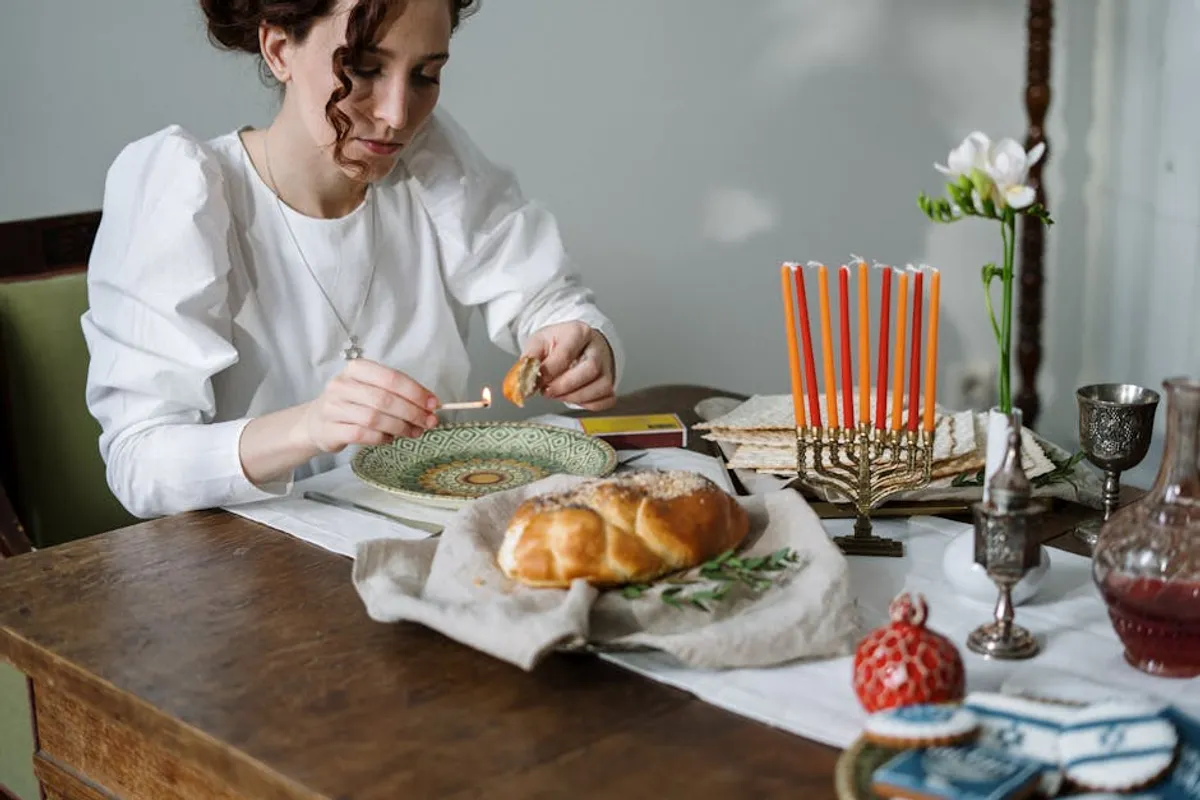
- Common Gifts: Seder plates, matzah covers, Haggadahs (Passover prayer books), kosher for Passover wines, or hostess gifts.
- Best for: Seder hosts, family members, or those who appreciate items for holiday observance.
Shavuot (Feast of Weeks)
Shavuot celebrates the giving of the Torah at Mount Sinai and the grain harvest. It's customary to eat dairy foods.
- Common Gifts: High-quality dairy products, cheesecakes, cookbooks featuring dairy recipes, or books on Jewish learning.
- Best for: Hosts, family, or those interested in Jewish study and culinary traditions.
Shabbat (Sabbath)
Shabbat is a weekly day of rest and spiritual enrichment. While not a "holiday" in the same vein as the others, hostess gifts are common for Shabbat meals.
- Common Gifts: Challah covers, Shabbat candlesticks, wine, gourmet kosher food items, or flowers.
- Best for: Shabbat meal hosts, enhancing the observance of the Sabbath.
Key Considerations for Gift Selection
Beyond the specific holiday, several factors influence the appropriateness and impact of a gift.
Recipient's Observance Level
Consider whether the recipient is highly observant, culturally Jewish, or somewhere in between. A highly observant individual might appreciate a ritual item, while someone less observant might prefer a more broadly cultural or practical gift with Jewish themes.
Practicality vs. Symbolism
Some gifts are highly practical (e.g., a new challah board), while others are deeply symbolic (e.g., a hand-painted Kiddush cup). Evaluate what resonates most with the recipient's lifestyle and values.
Dietary Restrictions (Kosher)
For food-related gifts, ensuring the items are certified kosher is crucial, especially for observant recipients. Look for reliable kosher certification symbols (hechsherim) on packaging. When in doubt, opt for non-food items or ask discreetly.
Presentation and Packaging
Thoughtful presentation enhances any gift. For holidays like Purim, creative packaging is part of the tradition. For more solemn holidays, elegant and respectful presentation is suitable.
Gift Categories and Specific Suggestions
Categorizing gifts can help narrow down choices based on the recipient's interests and the holiday's theme.
Culinary Gifts
Food is central to many Jewish holidays, making gourmet kosher items a consistently appreciated choice.
- Specialty honeys for Rosh Hashanah.
- Kosher fine wines or sparkling grape juice for Shabbat or holidays.
- Gourmet chocolate boxes or dried fruit assortments.
- Artisan challah or babka.
- High-quality olive oils or spice blends.
Pro Tip: Always verify kosher certification for any food gift, especially for observant recipients. Look for reputable hechsherim from recognized rabbinic authorities to ensure the gift aligns with their dietary standards.
Home & Judaica
These gifts integrate Jewish tradition into daily life or holiday celebrations.
- Decorative Shabbat candlesticks.
- Elegant Seder plates or matzah covers for Passover.
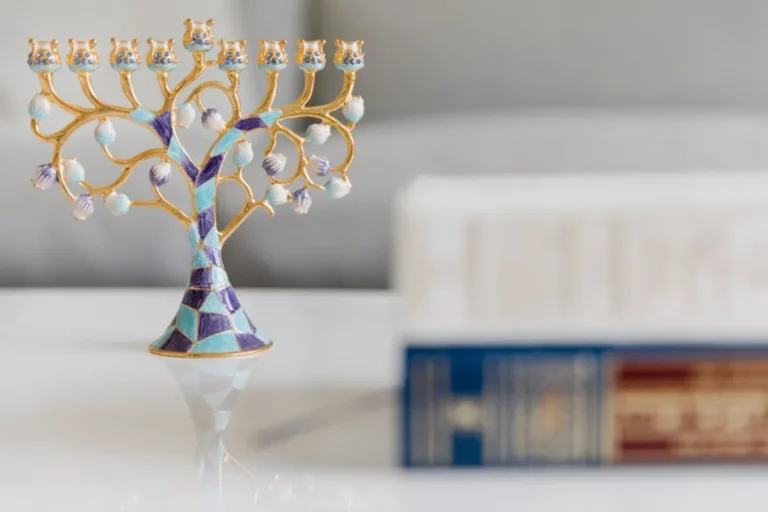
- Artistic menorahs for Hanukkah.
- Mezuzahs (with a kosher scroll) for a new home.
- Challah boards or knife sets.
Educational & Entertainment
Gifts that promote learning, cultural appreciation, or enjoyment.
- Books on Jewish history, philosophy, or contemporary Jewish authors.
- Children's books or games with Jewish themes.
- Music CDs or streaming subscriptions featuring Jewish artists or liturgical music.
- Documentaries or films exploring Jewish culture.
Personalized & Handmade
These gifts carry extra sentimental value due to their unique nature.
- Custom-engraved Kiddush cups or candlesticks.
- Hand-embroidered challah covers or tallit bags.
- Personalized Jewish-themed jewelry.
- Custom artwork or calligraphy with Hebrew verses.
Experience-Based Gifts
For those who value experiences over material possessions.
- Tickets to a Jewish cultural event, concert, or museum exhibit.
- A donation to a Jewish charity or organization in their name.
- A cooking class focusing on Jewish cuisine.
- A subscription to a Jewish-themed magazine or online course.
Making Your Selection Meaningful
The most impactful Jewish holiday gifts are those chosen with intention and an understanding of the recipient's personal connection to their heritage. Whether a gift is practical, symbolic, or purely celebratory, its value often lies in the thought and care invested. A well-chosen gift demonstrates respect for tradition and strengthens personal bonds.
Frequently Asked Questions
What are appropriate gifts for Rosh Hashanah?
Rosh Hashanah gifts typically include items symbolizing a sweet new year, such as honey, apples, gourmet food baskets, new year cards, or decorative items for the holiday table like challah covers or fine wines.
Is it customary to give gifts for Yom Kippur?
Direct material gifts are not customary for Yom Kippur due to its solemn nature as a day of atonement and fasting. Appropriate gestures include offering support before the fast, sending a thoughtful card, or making a charitable donation in the recipient's honor.
How do I ensure a food gift is kosher?
To ensure a food gift is kosher, look for a reliable kosher certification symbol (hechsher) on the packaging, such as a "K," "U," or "OU" with a circle. These symbols indicate that the product has been supervised and meets kosher dietary laws.
What makes a good Hanukkah gift for children?
Good Hanukkah gifts for children often include menorahs, dreidels, gelt (chocolate coins), age-appropriate Jewish-themed books, toys, or games. Many families give small gifts over the eight nights of the holiday.